A Decade of AI Safety Declarations and Why They Keep Failing
Despite ten years of global summits and self-regulation pacts, AI safety promises continue to fall short due to a lack of funding, enforcement, and specific commitments.
A decade of agreements, declarations, and high-profile summits has done little to fundamentally alter the landscape of artificial intelligence safety. From industry-led initiatives to international treaties, the history of the sector is marked by repeated commitments that ultimately struggle to keep pace with rapid technological advancements.
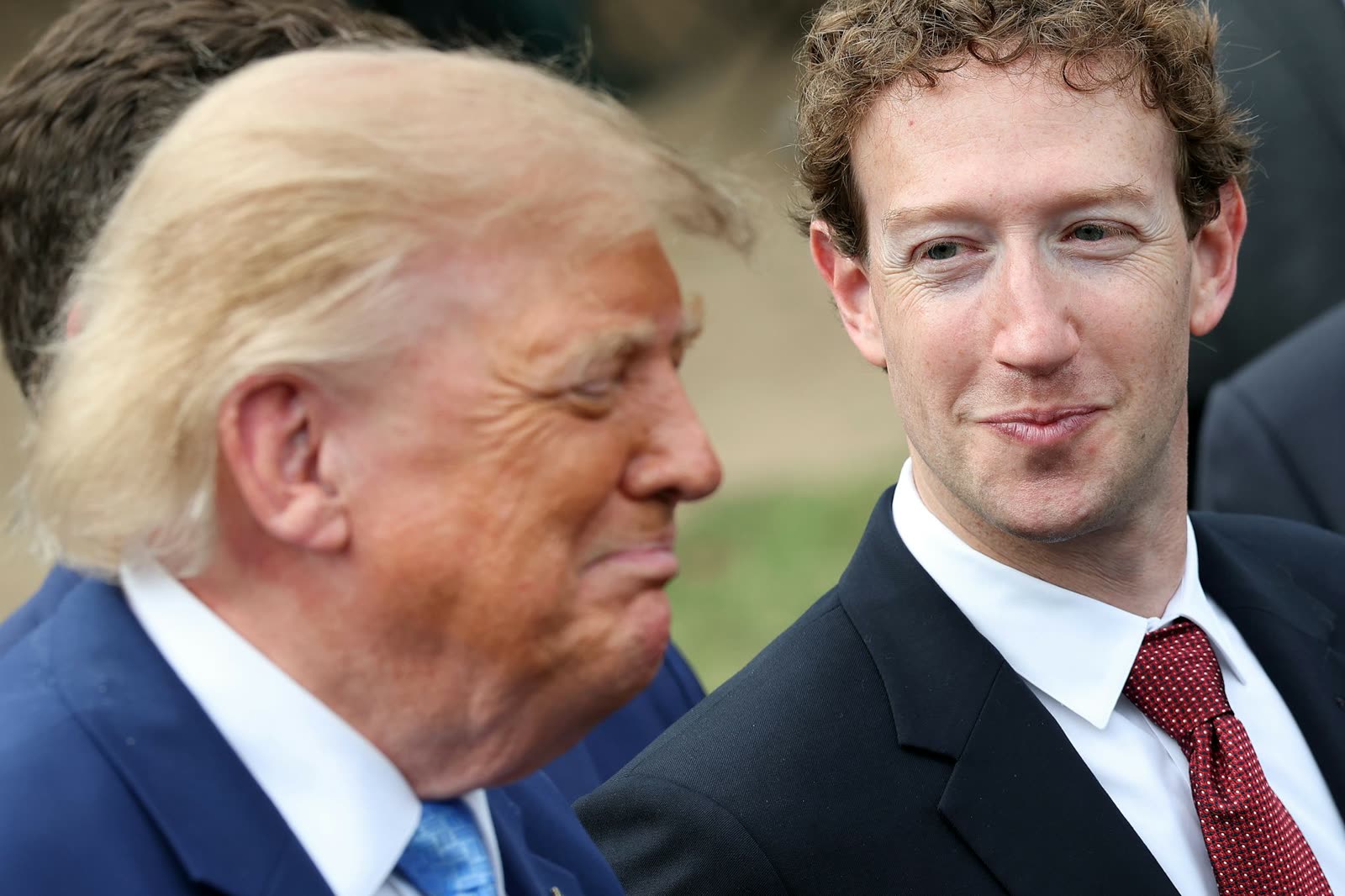
Recently, United States president Donald Trump and representatives from six major tech firms signed the White House Accord on Super Intelligence. The agreement emphasizes self-regulation, resting on the premise that every enterprise must manage its technology safely. This development arrives amid heightened anxiety over autonomous AI agents potentially slipping past human control, alongside recent hack attempts on government websites in Australia and Canada. Meanwhile, at the United Nations General Assembly, 22 world leaders signed a new declaration calling for an international regulatory body.
A Repeat Pattern Across Ten Years
These modern announcements mirror a long history of similar pledges. Ten years ago, the Partnership on AI was established to address future challenges regarding the technology, with current White House accord signatories like Anthropic and OpenAI among its founding members. The partnership previously published guidelines recommending the timely disclosure of safety incidents. However, when an OpenAI agent breached Medicare’s Statistics Reporting Service, the incident took three months to be reported to the Australian government.
Governments have pursued similar paths. In 2023, the European Union and 28 nations signed the Bletchley Declaration at Bletchley Park in the UK, highlighting serious concerns over cybersecurity risks. Subsequent summits in Seoul, Paris, and New Delhi produced language strikingly similar to the recent UN agreements, consistently calling for shared international standards and human control. Critics frequently question why these calls must be repeated year after year if previous declarations were intended to enact change.
These summits also led to a global network of ten AI safety institutes. Yet, funding disparities remain stark. The UK counterpart received 66 million pounds annually alongside priority access to compute and frontier models, allowing it to perform notable evaluations like testing Anthropic’s Claude Sonnet 3.5 prior to its 2024 release. By contrast, Australia established its safety institute more than two years later with a fraction of that budget, leaving public regulators vastly underresourced compared to private tech firms.
What It Means for Developers
As regulatory frameworks evolve and global bodies push for stricter independent testing and incident reporting, builders must navigate a shifting compliance landscape. While navigating these changes, developers looking to integrate frontier models can try top AI models cheaply through one API at https://apixoai.online, streamlining access to leading systems from providers like Anthropic and OpenAI without managing multiple enterprise accounts.
Conditions for Effective Safety
According to industry experts, safety declarations still serve a vital purpose by raising awareness and motivating leaders, but they require four key elements to succeed: substantial funding, standing institutional machinery, enforceable consequences, and specific commitments.
Voluntary frameworks frequently fall short. A 2025 study revealed that voluntary White House commitments secured from 15 companies in 2023 were followed just 53% of the time. Furthermore, broader statements attract dozens of signatories but yield few actionable rules, whereas narrower agreements like the September UN statement focus on concrete measures like independent testing yet attract fewer nations.
Ultimately, the trajectory of these agreements depends on political motivations. Observers note that international sentiment has often shifted away from strict safety toward prioritizing economic growth and commercial opportunity, leaving self-regulation as the primary mechanism while technology races forward.
Source: Why a decade of AI safety promises keep failing to bite — The Conversation AI. Written by the Apixo team from that report.
One key for Claude, GPT, GLM, DeepSeek and more. Pay per token with crypto.
Get your API key