AI Infrastructure Faces Bipartisan Backlash Across the United States
The rapid expansion of AI data centers is sparking widespread local opposition, political battles, and environmental concerns across the United States.
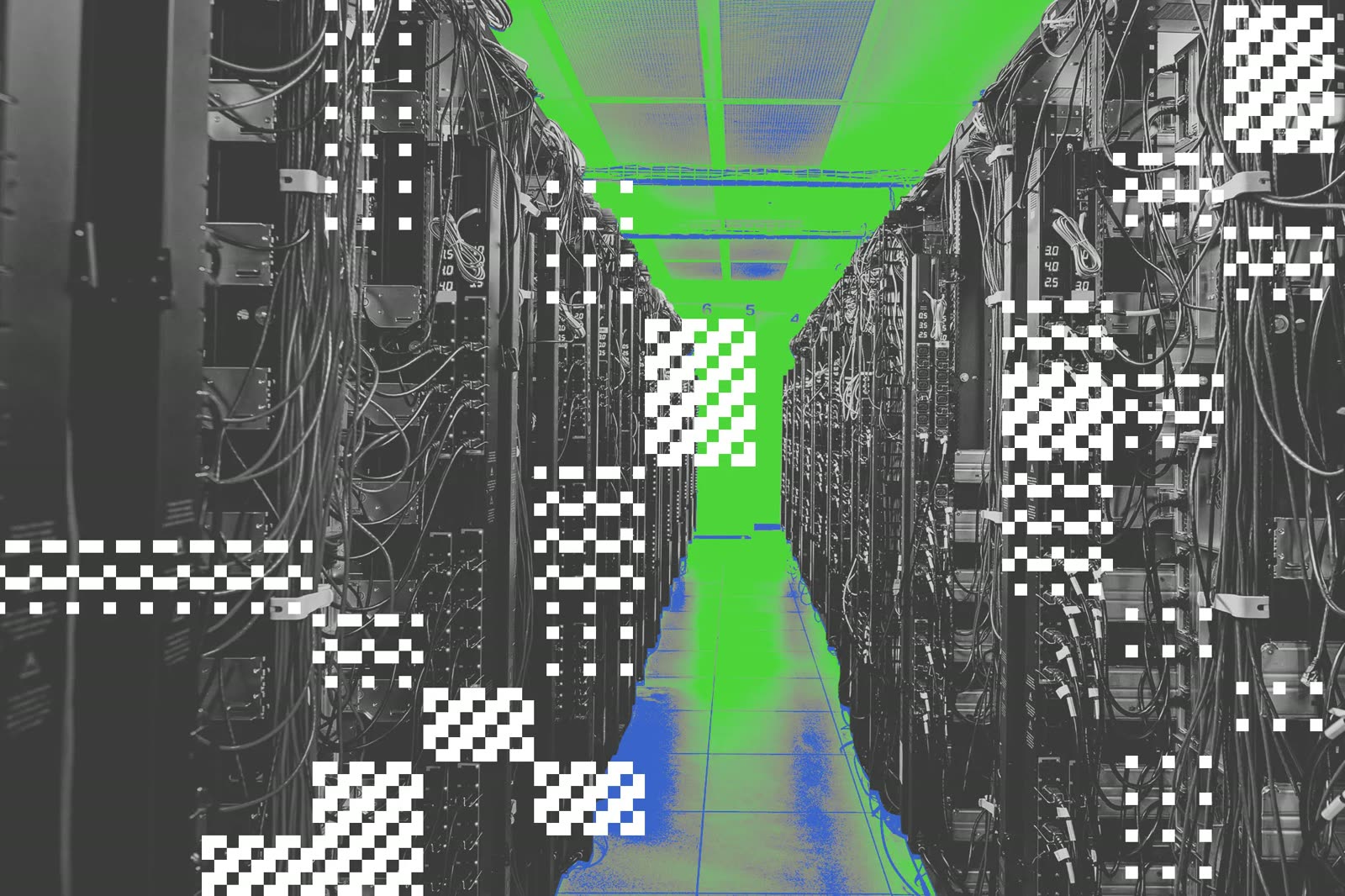
The rapid physical expansion of artificial intelligence infrastructure is encountering significant resistance across the United States. Massive server storage facilities, required to power the generative AI boom, have triggered rare bipartisan political opposition. Communities from Texas to Maine are pushing back against developments that consume vast amounts of electricity and water, while altering local landscapes.
Political Friction and Community Opposition
Public pushback against data centers has transformed local and national politics. Recent midterm elections and ballot measures revealed deep voter discontent, with polls indicating widespread opposition to unvetted data center expansion in local communities. Candidates who support moratoriums or tighter restrictions on infrastructure developments have gained traction, while politicians linked to tech-backed developments face severe electoral headwinds.
In response to mounting public scrutiny, some tech companies are altering their public engagement strategies. OpenAI announced it is stepping back from using non-disclosure agreements with public officials on data center projects, allowing only narrow protections for trade secrets or security information. Additionally, the company has begun referring to these facilities as "compute campuses" and introduced a "Grid Protectors Program" in Effingham County, Georgia, promising to free up 1,000 megawatts of power during emergencies.
Environmental and Energy Concerns
Environmental advocates warn that the electricity demands of new data centers could reverse years of climate progress. According to an analysis by the Sierra Club, the US power sector could release significantly more carbon dioxide pollution by 2030 as utilities turn to fossil fuels like natural gas to meet surging energy needs. Anthropic's S-1 filing ahead of going public acknowledged its reliance on natural gas and noted that rising global temperatures could increase operational costs.
At the same time, legislative efforts are underway at both state and federal levels to streamline infrastructure projects. A massive bipartisan permitting bill is advancing in Congress to speed up energy projects, though environmental advocates fear it limits public oversight and judicial challenges. Similar debates have emerged around state ballot measures, such as Proposition 45 in California, which critics argue could provide loopholes for data center developers seeking to bypass environmental reviews.
What it means for developers
As regulatory scrutiny, local moratoriums, and energy constraints tighten around physical AI infrastructure, building large-scale on-premise hardware is becoming increasingly complex. For software creators looking to leverage state-of-the-art capabilities without navigating the physical and regulatory bottlenecks of data center construction, cloud-based access remains the most practical route. Developers can try top AI models cheaply through one API at https://apixoai.online, streamlining integration across multiple leading systems without managing underlying hardware.
Meanwhile, the economic ripple effects of the buildout continue to impact unexpected sectors. Highway robberies targeting trucks carrying high-value server components, fiber-optic cables, and memory chips have risen, while suppliers of industrial materials like gray paint and gravel report an unexpected commercial boom.
Source: All the latest updates on AI data centers — The Verge AI. Written by the Apixo team from that report.
One key for Claude, GPT, GLM, DeepSeek and more. Pay per token with crypto.
Get your API key