AI Tools Aim to Support Family Caregivers, But Data Privacy and Maintenance Risks Persist
Caregiver apps are deploying AI to lighten administrative loads for millions of Americans, but privacy concerns and maintenance burdens highlight key challenges for developers.
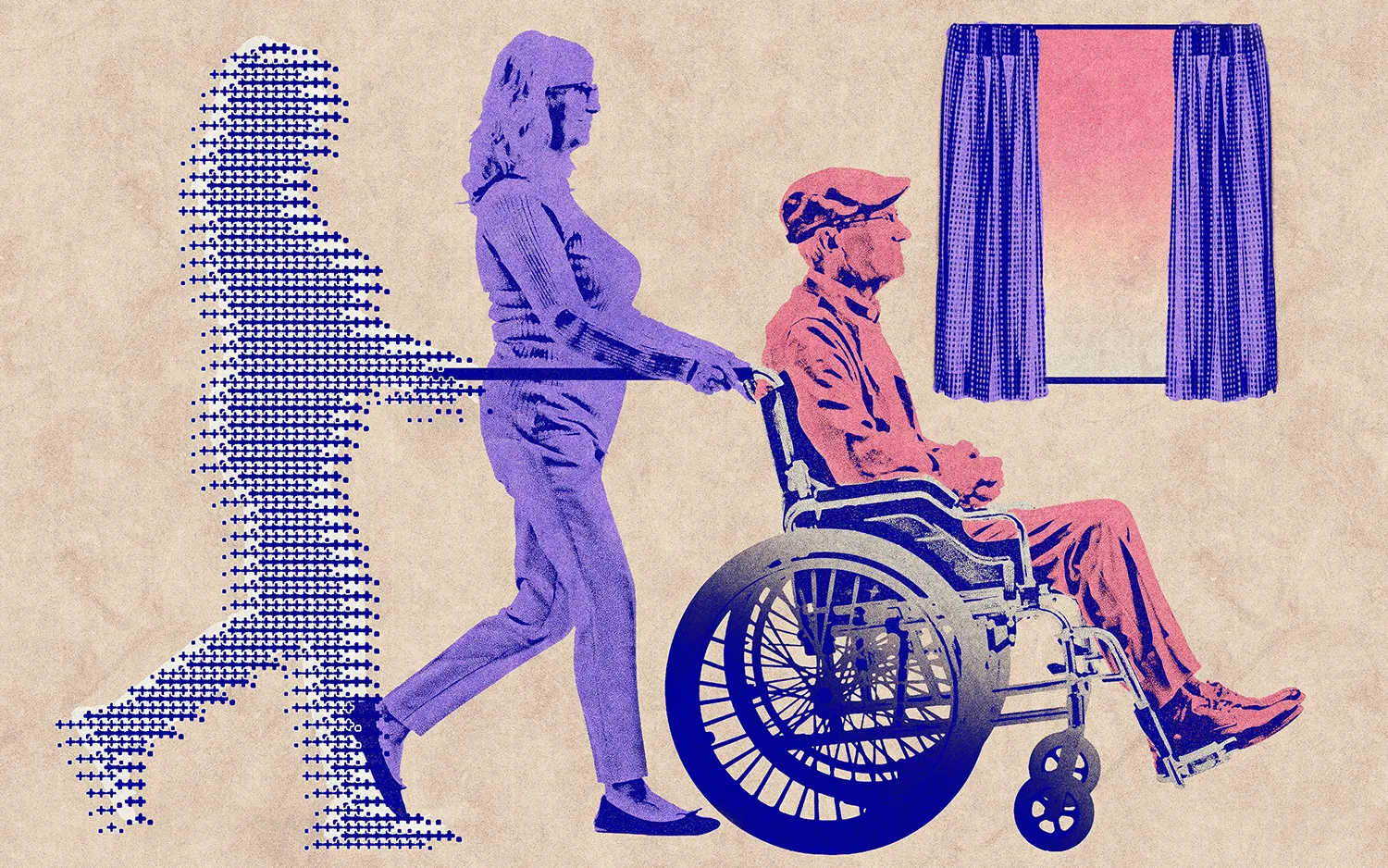
As an estimated 63 million Americans prepare to provide unpaid care for loved ones with disabilities or medical conditions in 2025—spending up to 27 hours per week on average according to AARP—software creators are increasingly deploying artificial intelligence to mitigate the cognitive load. Caregivers frequently juggle medical scheduling, daily therapies, symptom tracking, and household management alongside full-time jobs. In response, a growing landscape of specialized applications is emerging to bridge communication gaps and organize complex care routines.
Specialized digital tools enter the caregiving ecosystem
Caregiver applications vary significantly based on user needs. Medisafe, established in 2013, focuses on medication tracking, dose alerts, and drug interaction checks. Caring Village, launched in 2015, offers appointment management, task delegation, wellness journaling, and an AI assistant named Julia capable of answering caregiving inquiries.
Newer platforms are directly leveraging AI and structured data to streamline information sharing. Bret Koncak co-created Mejo in 2022 to aggregate complex medical histories into single-page summaries. While Mejo currently relies on manual input—offering daily journal sharing for $6 per month or $60 per year—Koncak’s team is actively researching AI integration to generate tailored questions for doctor visits. Similarly, Brett Rowell is developing Briggzy, slated for a wider launch in 2027, to help parents share caregiving context across conflicting work schedules.
In the clinical record domain, Nasha Fitter and Farid Vij launched Citizen Health in 2024. The platform securely aggregates medical records, extracting and de-identifying data with user consent to help track disease trajectories. Six months ago, Citizen Health introduced Ari, a beta AI "health teammate" accessed via text message. Designed initially for rare disease management, Ari interacts with patient portals, medical records, and Google Calendar. It analyzes symptom patterns relative to medication timing, drafts appointment preparation lists, and assists users in navigating insurance and government benefit systems.
Regulatory, privacy, and user fatigue challenges
Despite the potential of AI assistants to empower patients and families, legal and regulatory experts urge caution. I. Glenn Cohen, a bioethics and health law professor at Harvard Law School, notes that most caregiver apps are not classified as medical devices. Because they lack FDA review, their safety and efficacy remain unverified by federal regulators.
Furthermore, health data entered directly into consumer applications is typically not protected by HIPAA statutes, as the information originates from individuals rather than covered entities. Users must rely on contractual privacy policies, which often limit company liability and may collect data on caregivers in addition to patients.
Usability poses another operational hurdle. Denise M. Brown, founder of the Caregiving Years Training Academy, points out that consumer apps often fail due to maintenance burnout. Because physicians, nurses, and hospital discharge planners do not log into third-party caregiver tools, the burden of uploading schedules, care plans, and updates falls entirely back on already overloaded caregivers.
Nicole Howell, director of direct care workforce development at the National Council on Aging, emphasizes that while software opens doors for care integration and stress reduction, technology alone cannot resolve the underlying systemic crisis, which requires coordinated effort across government, private, and family sectors.
What it means for developers
For software engineers building in the digital health space, caregiver tools highlight critical architectural considerations. Future products must prioritize reducing manual data input through automated ingestion, addressing the burnout highlighted by industry experts. Additionally, developers must navigate complex legal landscapes around non-HIPAA health data storage, clear privacy commitments, and non-certified software boundaries.
Building sophisticated features—such as Ari’s text-based record parsing, pattern detection, and calendar sync—requires testing across diverse large language models. Developers looking to build or prototype these features can try top AI models cheaply through one API at https://apixoai.online. Ultimately, tools that succeed will be those that minimize administrative friction for users while adhering strictly to transparent data practices.
Source: Apps for Caregivers Get a Dose of AI, but That Might Not Be Enough — Wired AI. Written by the Apixo team from that report.
One key for Claude, GPT, GLM, DeepSeek and more. Pay per token with crypto.
Get your API key