Chatbot Advertising Grows as Industry Seeks Revenue Models
Monetization strategies for generative AI diverge as companies like OpenAI and Google embrace advertising, while others hold out.
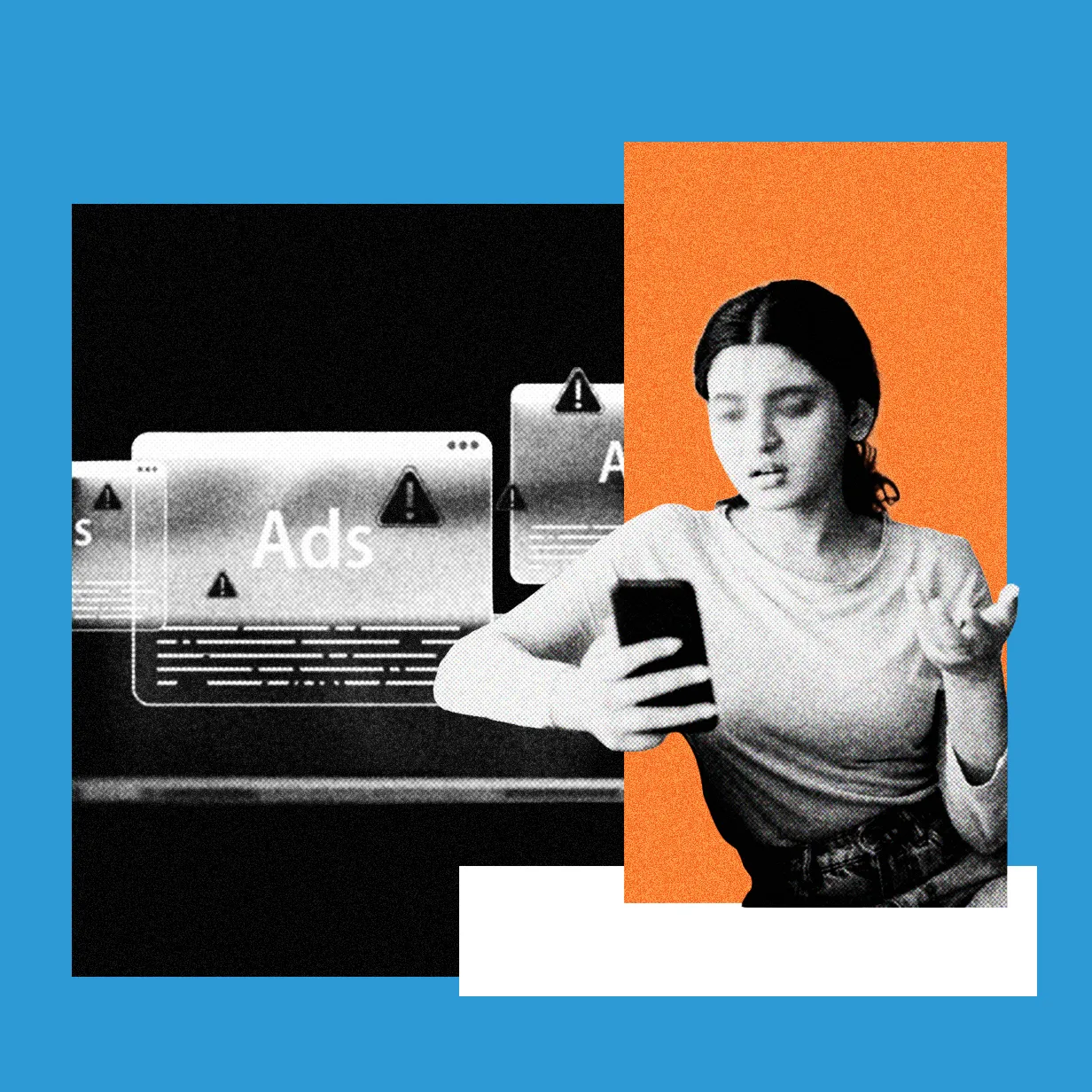
Advertising has officially arrived in the generative AI chatbot ecosystem, though major industry players are taking starkly different approaches to monetization. While Anthropic maintains a strict ad-free policy for Claude, backed by substantial venture funding, other prominent platforms are actively building out marketing networks to offset the high operational costs of delivering AI responses.
OpenAI has onboarded over 100,000 customers for advertisements in ChatGPT since they launched earlier in the year. Meanwhile, Google has expanded ads within its search chatbot AI Mode to ten additional countries outside the United States, reporting that users find the placements relevant. For smaller, niche platforms that lack the massive financial backing of leading AI labs or tech giants, advertising may become a necessity for long-term survival.
Startups are actively building the infrastructure required to scale this new market. San Francisco-based Koah Labs provides ad technology across more than 200 applications, including creative tool DeepAI and citation-focused app Liner, working alongside brands like Hims and UrbanStems. According to Koah CEO Nic Baird, machine-crafted ads composed partially by AI generate double the click-through rates of fully human-written counterparts. Baird suggests that AI-generated marketing copy blends more naturally with the surrounding output of an AI model. However, heavily regulated sectors like pharmaceuticals require stricter human oversight, which tends to yield weaker performance metrics.
Contextual targeting in chatbots differs significantly from traditional search engines. Because chatbot prompts are typically twice as long as standard search queries and incorporate full conversation histories, ad tech networks can deliver highly tailored recommendations based on the broader dialogue. Koah reports an ad click-through rate of about 3 percent, which aligns with the maturity level of established search ad networks. However, utilizing full conversation logs raises privacy questions, particularly as users often treat AI assistants more like confidants than traditional search tools. While Koah states that queries are anonymized and de-identified, the balance between useful personalization and intrusive data collection remains a central challenge.
What it means for developers
Developers building applications on top of generative AI models must weigh the financial pressures of high inference costs against user experience and privacy concerns. Integrating ad networks can provide a viable revenue stream for smaller platforms, but it requires careful design to maintain user trust. Developers can try top AI models cheaply through one API at https://apixoai.online to test various use cases without committing to massive infrastructure costs.
The future of AI monetization remains fluid. While traditional ad placements continue to evolve, the rise of autonomous shopping agents introduces new dynamics. Tech leaders like Meta are exploring transaction fees rather than ads for tools like Muse, but industry observers expect advertising to still influence agent-driven commerce. Despite these developments, not all platform operators are convinced. DeepAI CEO Kevin Baragona notes that ad revenue has been meaningful for his platform, but he remains uncommitted to the model due to ongoing concerns regarding design, privacy, and overall user experience.
Source: Ads in Chatbots Have Arrived. Here’s What’s Working—and What’s Not — Wired AI. Written by the Apixo team from that report.
One key for Claude, GPT, GLM, DeepSeek and more. Pay per token with crypto.
Get your API key