DataVita Revises Lanarkshire AI Datacentre Plans to Rely Fully on UK Grid
Scotland's planned 500MW AI datacentre in Lanarkshire will rely on the National Grid rather than direct off-grid renewables, highlighting UK power infrastructure challenges.
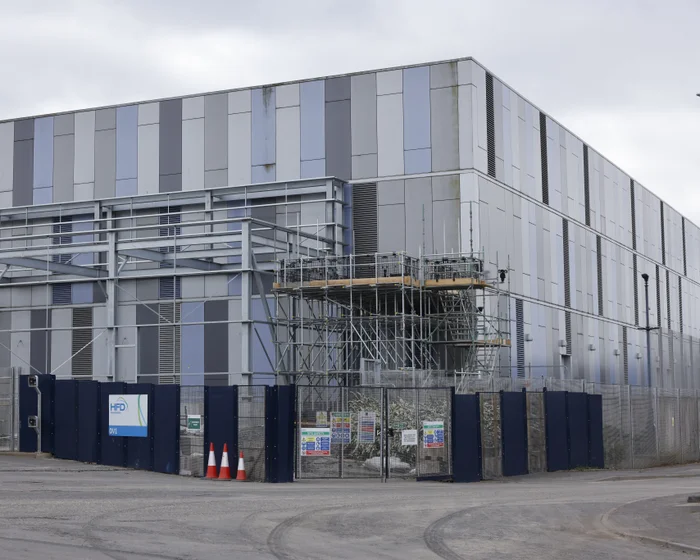
DataVita, the developer behind a planned artificial intelligence hub in Lanarkshire, Scotland, has backed away from earlier promises that its facility would run entirely on direct renewable power. Instead of receiving 1GW of clean energy via private wire connections from dedicated solar, wind, and battery storage installations, the company now acknowledges that the site will rely fully on the UK's National Grid.
Backtracking on a massive green power promise
The proposed facility in Chapelhall, outside Airdrie, was positioned as a flagship project within Britain’s broader national AI strategy. Under plans championed by former prime minister Keir Starmer, the government envisioned designated "AI growth zones" supported by state incentives, planning assistance, and energy discounts. DataVita’s planned 500MW datacentre was expected to generate 3,400 jobs for the region and was backed by £202 million in wealth guarantees from Britain's national wealth fund.
Initial project announcements promised over 1GW of renewable capacity delivered straight to the datacentre through off-grid private connections. However, following inquiries regarding the feasibility of these claims, DataVita clarified that the initial arrangement depended on planning, commercial agreements, and grid consenting processes. The developer has now confirmed that the datacentres will be fully grid-served upon launch. While DataVita states it intends to source electricity via renewable power purchase agreements and left open the option of connecting local wind and solar assets later, direct green supply will not power the initial operations.
Environmental advocacy groups argue that the shift highlights a broader pattern of unrealistic promises in the sector. Kat Jones, director of Action to Protect Rural Scotland, observed that hyperscale AI datacentres cannot operate solely on intermittent renewable power without a stable base load, calling the strategic shift emblematic of hyperbolic claims made by datacentre developers across Scotland.
Grid bottlenecks and economic hurdles in UK AI infrastructure
The change in DataVita's strategy reflects systemic challenges facing the UK's ambitions to become a global leader in artificial intelligence infrastructure. Building and running AI datacentres requires immense electrical power, yet electricity costs in Britain remain significantly higher than in most of continental Europe. Furthermore, developers across the country face multi-year waiting lists simply to secure a connection to the national electricity grid.
These logistical and financial hurdles have placed several high-profile UK AI infrastructure projects on uncertain ground. As questions mount over high power costs and grid access, the viability of ambitious regional growth zones is increasingly under scrutiny. For developers relying on cloud infrastructure, infrastructural delays mean high-performance compute costs could remain elevated. Platforms like Apixo (https://apixoai.online) offer developers budget-friendly pay-per-token access to models like Claude, GPT, Gemini, Grok, and DeepSeek through a single API key, helping teams bypass direct infrastructure overheads.
What it means for developers
For software engineers, AI researchers, and tech startups, the grid dependency and infrastructure delays in the UK highlight a growing tension between AI compute demand and energy availability.
First, the reality of datacentre construction means local AI infrastructure will take longer to deploy and will cost more to operate than originally advertised. With high domestic power tariffs and reliance on the standard grid, UK-hosted compute resources may remain relatively expensive compared to international alternatives.
Second, the reliance on grid-supplied electricity through power purchase agreements—rather than direct, localized renewable generation—means that AI workloads hosted in such facilities will continue to draw from standard energy grids. Developers aiming to build strictly carbon-neutral applications will need to scrutinize sustainability claims carefully, evaluating whether providers rely on true off-grid clean power or financial offset mechanisms like purchase agreements.
Finally, as hardware deployment faces utility delays, cloud-based API access will remain the primary method for developers to leverage cutting-edge foundation models without incurring heavy infrastructure investments or managing local energy overheads.
Source: Lanarkshire AI datacentre to fully rely on National Grid despite renewables claim — The Guardian AI. Written by the Apixo team from that report.
One key for Claude, GPT, GLM, DeepSeek and more. Pay per token with crypto.
Get your API key

