How Advancing AI Reasoning and Automation Are Reshaping the Graduate Job Market
As AI models show gains in logical reasoning and professional exams, universities and employers face new challenges in preparing graduates for an automated workforce.
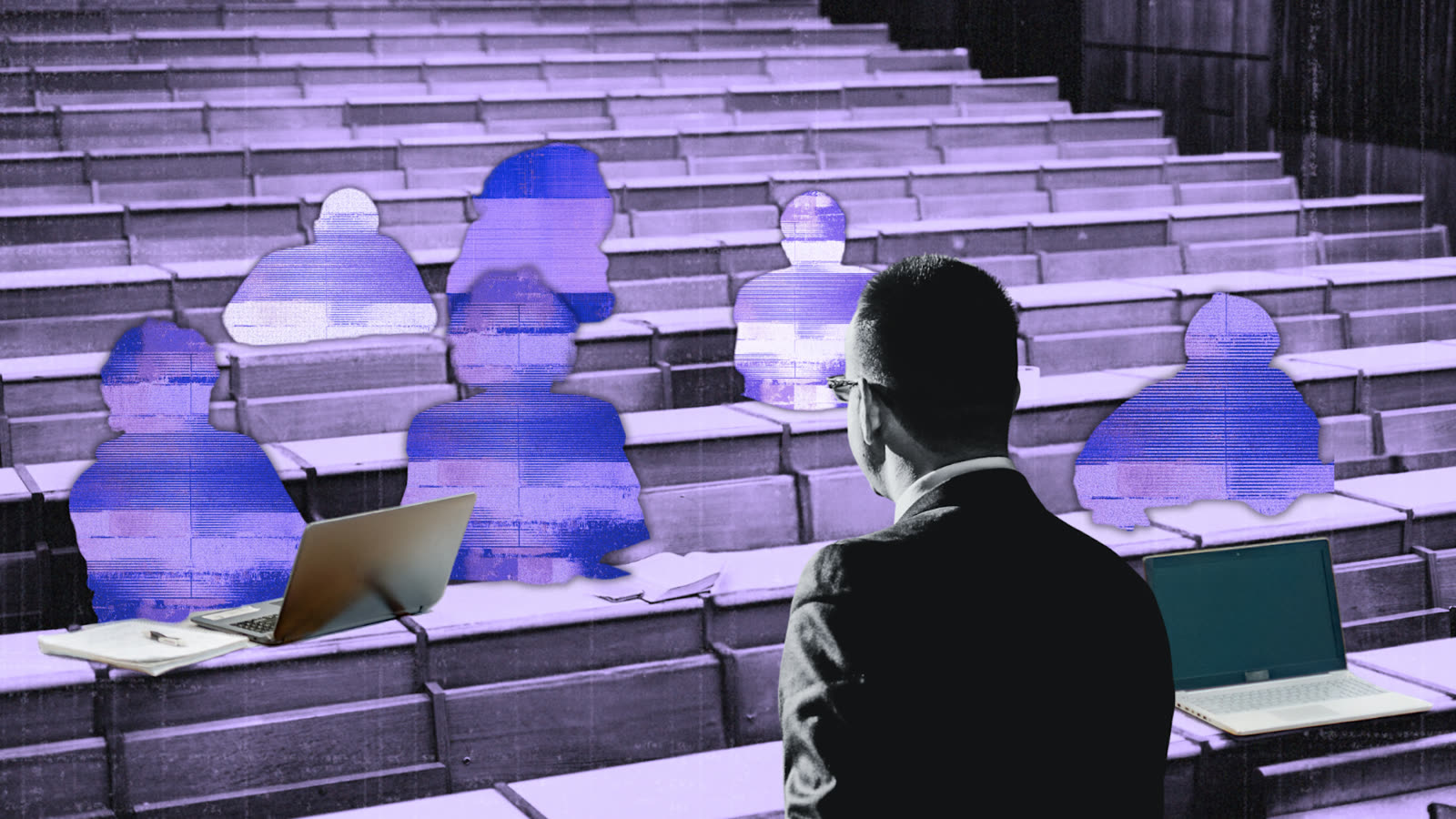
Concerns are rising across the global job market as artificial intelligence companies such as OpenAI, Google DeepMind, and Anthropic build software capable of matching or exceeding human performance on cognitive tasks. While initial narrative suggested AI would augment rather than cut jobs, recent economic indicators point to shifting conditions for entry-level positions. In Australia, a federal government report published in July rated cognitive roles—such as accountants, clerks, and receptionists—as having the highest exposure to AI automation, while physical jobs like carers, truck drivers, and tradies showed the lowest exposure.
Disruption in Entry-Level Roles and Reasoning Benchmarks
Although data from February indicated that AI had not yet caused significant disruption to the Australian job market, more recent observations reveal emerging challenges. The Reserve Bank of Australia recently noted early signs that younger workers in AI-exposed sectors are struggling to find work. Law firms have cut some graduate positions by assigning lower-level tasks to AI systems. Meanwhile, consulting firms have also scaled back graduate hiring, though claiming reasons other than AI, and Qantas announced it will outsource 850 jobs to India while expanding its investments in AI technology.
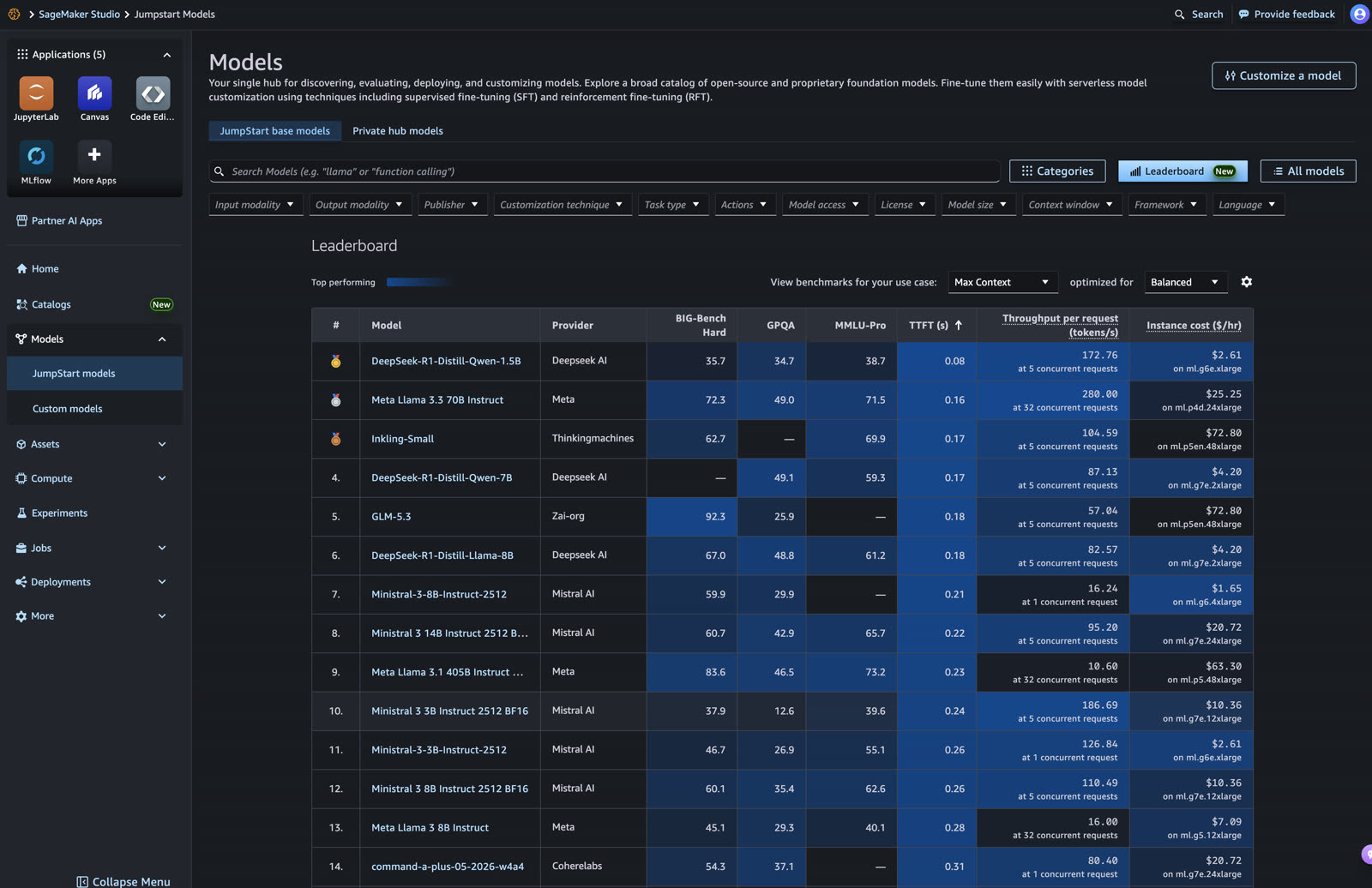
These market shifts coincide with rapid advances in model intelligence and problem-solving capability. In a 2024 study, researchers evaluated human and AI reasoning using logic tests, such as determining the price of a hat when a scarf costs €210 more than the hat and both total €220 (where the correct hat cost is €5). While earlier AI systems performed worse than human participants, newer language models outperformed humans. Demonstrating this rapid improvement, an OpenAI model recently disproved a longstanding geometry conjecture dating back to 1946.
Academic assessments reflect a similar trajectory. Research evaluating AI responses on university criminal law exams between 2023 and 2025 found average scores rose from 52.5% to 76.3%. Crucially, the 2025 AI models performed better in critical thinking capabilities than the average university student.
Automation in Physical Work and the Limits of Human Collaboration
While cognitive tasks face direct competition, physical work remains more challenging to automate completely. Autonomous machinery is nevertheless entering daily operations, seen in robotaxis operating across multiple cities, delivery robots carrying meals, and autonomous excavators working on construction sites. For now, vocational pathways such as apprenticeships carry a lower immediate risk of AI-driven job disruption.
For desk jobs, experts suggest the most effective pathway is human-AI collaboration, where a worker leveraging AI achieves better results than the tool operating independently. However, effective collaboration requires high technical and domain competence. A 2026 pilot study involving healthcare workers, primarily nurses, showed that participants accepted half of deliberately incorrect AI recommendations while overlooking roughly one in six correct ones. Similarly, a study on how the UK public uses AI for medical advice found that users often omitted critical context when prompting chatbots, leading to a mixture of helpful suggestions and misleading answers.
What it means for developers
For software engineers building next-generation applications, understanding how state-of-the-art models execute complex reasoning and handle specialized tasks is essential for designing dependable workflows. Developers looking to benchmark models across logic, code generation, and domain-specific problem solving can try top AI models cheaply through one API at https://apixoai.online.
Because language models can generate plausible yet incorrect outputs, developers must integrate validation layers and rigorous testing into AI workflows. As higher education adapts by training students to question, guide, and refine AI outputs rather than relying on them blindly, technical creators share a similar responsibility: building systems that combine automated speed with robust human oversight.
Source: AI is set to change the graduate job market. Here’s how unis can respond — The Conversation AI. Written by the Apixo team from that report.
One key for Claude, GPT, GLM, DeepSeek and more. Pay per token with crypto.
Get your API key