Isomorphic Labs Secures $5B to Scale AI Drug Discovery
Alphabet's Isomorphic Labs has secured a $5 billion investment led by Greenoaks and Sequoia Capital to advance its AI-driven drug design software.
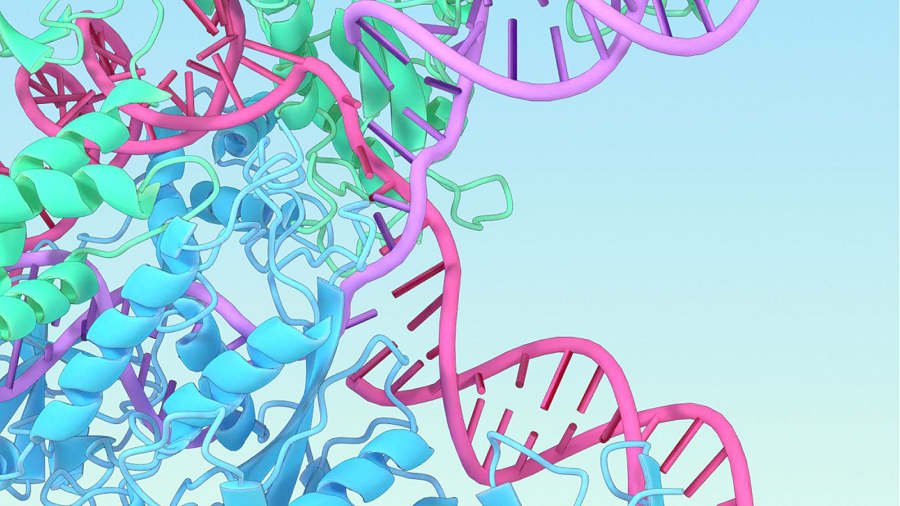
Alphabet subsidiary Isomorphic Labs has successfully closed a massive $5 billion funding round. The investment was led by venture capital firms Greenoaks and Sequoia Capital, alongside more than half a dozen other participants. Alphabet itself contributed significantly to the financing through its GV and CapitalG startup investment vehicles.
The company specializes in applying machine learning to pharmaceutical research through its proprietary software platform, known as the Isomorphic Labs Drug Design Engine, or IsoDDE. According to the organization, several major pharmaceutical enterprises are already utilizing this platform to support their internal drug discovery initiatives.
Streamlining Complex Biological Workflows
Pathogens, including various viruses, typically rely on multiple proteins to drive their biological functions. Therapeutics generally function by neutralizing a single, critical protein to halt the pathogen's activity. Creating these treatments requires identifying a vulnerable spot on a protein and designing a compound capable of binding to it.
The initial phase of this workflow involves mapping protein structures to locate binding pockets, which are specific recesses on the surface where a medication can attach. This process is notoriously challenging because proteins are flexible and constantly change shape when interacting with other molecules or changing environmental conditions. Isomorphic reports that IsoDDE accelerates the identification of these binding pockets and can even assist researchers in engineering compounds that force target proteins to form pockets when none naturally exist.
Once a binding pocket is identified, scientists typically rely on a method called FEP to determine how a drug molecule can attach to it. However, FEP algorithms demand substantial hardware resources and detailed three-dimensional models of the target protein. Traditionally, generating these 3D models requires freezing proteins in crystals and scanning them with specialized X-ray machinery. IsoDDE bypasses this labor-intensive step entirely, delivering results that Isomorphic states are superior in quality to standard FEP calculations.
Demis Hassabis, chief executive of Isomorphic Labs, noted that the software delivers molecules with unprecedented speed and accuracy. He added that the fresh capital will allow the team to accelerate foundational biology modeling, expand systemic disease comprehension, and push initial therapeutic programs forward into clinical trials. Additionally, the company intends to develop new bioengineering infrastructure and expand its network of industry partners.
What it means for developers
The rapid evolution of machine learning in life sciences demonstrates the growing practical utility of complex neural networks across different scientific disciplines. As infrastructure demands shift toward specialized domains, developers working with advanced architectures can try top AI models cheaply through one API at https://apixoai.online to build and test their own applications efficiently. Understanding how organizations deploy deep learning to solve physical science challenges highlights the expanding role of algorithms in industrial research and software engineering pipelines.
Source: Alphabet’s Isomorphic Labs raises $5B to accelerate drug discovery with AI — SiliconANGLE AI. Written by the Apixo team from that report.
One key for Claude, GPT, GLM, DeepSeek and more. Pay per token with crypto.
Get your API key