Jensen Huang Resigns as Nvidia CEO Amid Espionage Allegations and Governance Crisis
Nvidia CEO Jensen Huang has resigned following reports of undisclosed affairs and foreign espionage concerns. CFO Colette Kress steps in as interim chief.
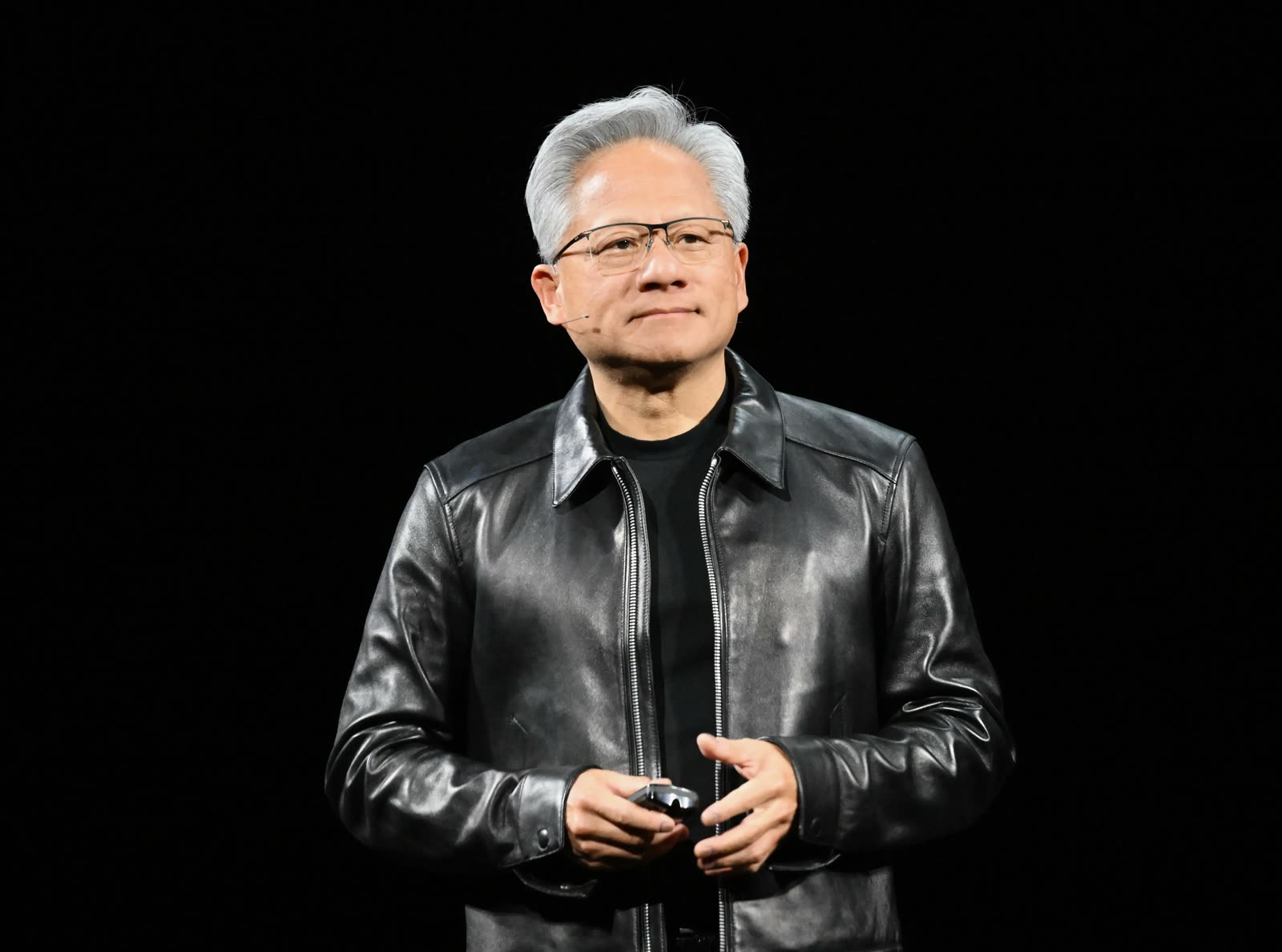
Nvidia is undergoing the most significant leadership transition in its history following the sudden resignation of co-founder and long-time Chief Executive Officer Jensen Huang on November 12. The announcement concluded a turbulent two-week period marked by allegations of foreign espionage, corporate governance failures, and multiple internal affairs. CFO Colette Kress has stepped in as interim CEO while the semiconductor giant navigates shareholder lawsuits, regulatory scrutiny, and a sharp drop in market valuation.
The timeline of Nvidia's executive crisis
The crisis began publicly on October 29th, when The New York Times reported that Huang had developed a close relationship with Alice Huang, an executive at Singapore-based data center vendor Megaspeed. Megaspeed was under investigation by the U.S. Commerce Department for allegedly smuggling restricted Nvidia graphics processing units into China. Singapore authorities had previously confiscated Alice Huang's passport in June 2025 for providing inaccurate information to law enforcement. On November 6th, reports surfaced indicating U.S. intelligence officials believed she had been recruited by China’s Ministry of State Security to gather intelligence on Nvidia's operations and trade restriction deliberations.
Events accelerated quickly over the following days. On November 8th, Jensen Huang admitted to an extramarital affair, prompting Nvidia’s board of directors to initiate an independent investigation. On November 11th, reports revealed a second affair with Nvidia’s Vice President of Healthcare, Kimberly Powell. Faced with mounting board pressure, Huang agreed to resign on November 11th evening, reportedly describing himself to associates as "broken and shattered." His formal departure was announced the next day, followed by Reuters reporting a third affair involving another company employee.
In response, Nvidia appointed interim CEO Colette Kress, who described the situation to staff as an "extraordinarily difficult period." The board also named Harvey Jones as its first-ever board chair and launched a search for a permanent successor considering both internal and external candidates, including rumors mentioning Apple hardware chief Johny Srouji. Financial markets reacted swiftly to the instability: Nvidia's stock price, which had reached an all-time high of $239.24 on October 6th, fell to $162.85 by November 13th.
Corporate centralization and mounting legal pressure
Huang’s departure leaves a major vacuum in an enterprise where central management was unusually concentrated. According to data cited by the Harvard Business Review, typical Fortune 500 chief executives oversee 10 to 20 direct reports; Huang personally managed around 60. As Kyle Chan, a foreign policy fellow at the Brookings Institution, observed prior to the resignation, Nvidia occupies the center of the U.S. AI ecosystem, with a single individual standing at the heart of Nvidia’s internal structure.
Beyond internal governance, Nvidia faces serious financial and regulatory complications:
- Capital Commitments: Nvidia has deployed $99 billion across various AI startups, research labs, and neo-cloud providers, alongside plans to mobilize over $500 billion in data center infrastructure financing.
- Export Control Audits: Culper Research released a report alleging that over 20 percent of Nvidia's projected 2026 compute revenues originated from China via Southeast Asian intermediaries like Megaspeed, contradicting Huang's statement in May that the company held zero percent market share there due to trade rules.
- Distributor Scrutiny: Investigations into overseas buyers revealed suspicious physical infrastructure. When The Straits Times visited Megaspeed’s Singapore office in October 2025, it found no operational activity. Similarly, another approved partner, New Matrix, was described as a hollow shell with bare wiring.
- Legal and Legislative Threats: Nvidia already faces investor lawsuits alleging deceptive practices. With incoming Congressional majorities signaling stricter oversight of technology giants, analysts anticipate potential hearings and potential civil or criminal penalties if Nvidia is found to have knowingly facilitated illegal chip diversions.
Industry leaders voiced starkly contrasting views on the fallout. Epic Games CEO Tim Sweeney called the news a "sad day for NVIDIA, developers, America, and all humanity," while Elon Musk publicly offered to hire Huang. Within Nvidia, internal message boards saw employees posting messages supporting his return.
What it means for developers
For software engineers and enterprise AI teams, the fallout at Nvidia introduces operational uncertainty across the hardware supply chain and infrastructure financing. Nvidia’s commitment to fund $500 billion in data center expansion and its $99 billion investments in neo-clouds and AI labs mean any shift in corporate strategy under interim CEO Colette Kress or board chair Harvey Jones could alter computing capacity availability, hardware pricing, and cloud partnerships.
Developers building applications on top of modern foundation models should prepare for potential delays or cost fluctuations in dedicated server deployments as Nvidia re-evaluates its supply distribution and trade compliance mechanisms. While hardware roadmaps and enterprise capacity undergo restructuring, developers looking to maintain uninterrupted access to cutting-edge LLMs can try top AI models cheaply through one API at https://apixoai.online.
Ultimately, the restructuring of Nvidia’s unusual 60-person direct-report hierarchy into a more traditional management model could slow decision-making for custom silicon allocations and developer ecosystem programs. As Congress and federal regulators scrutinize export channels, developers relying on specialized hardware should monitor compliance requirements closely to ensure their cloud providers remain fully licensed and operational.
Source: An overview of Jensen Huang’s messy days — The Verge AI. Written by the Apixo team from that report.
One key for Claude, GPT, GLM, DeepSeek and more. Pay per token with crypto.
Get your API key