Jensen Huang Resigns from Nvidia Amid National Security Inquiries and Board Probe
Nvidia CEO Jensen Huang has resigned following extramarital affairs linked to a Chinese spy investigation. Interim CEO Colette Kress takes over as Nvidia halts H200 chip sales to China.
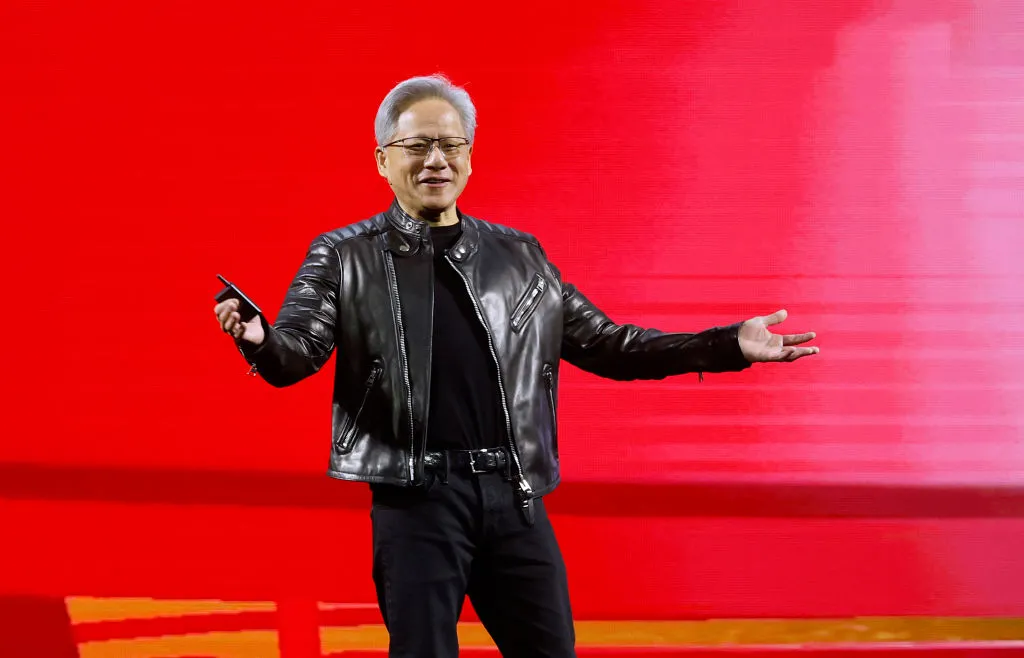
Nvidia co-founder Jensen Huang has stepped down from his position as chief executive officer following a rapid sequence of personal disclosures, internal investigations, and national security concerns surrounding chip sales to China. The 63-year-old executive, who spent 33 years building the semiconductor giant into a dominant force in artificial intelligence hardware, resigned on November 12, 2026. Chief Financial Officer Colette Kress has stepped in as interim CEO, while long-time board member Harvey C. Jones was named the company’s first chair of the board of directors.
A rapid leadership collapse and national security probe
The scandal unfolded publicly in early November when Huang issued a statement admitting to an extramarital affair, apologizing to his family and colleagues, and acknowledging an independent investigation initiated by Nvidia’s board. Attention quickly centered on his relationship with Alice Huang (no relation), an executive at Singapore-based AI infrastructure company Megaspeed. U.S. intelligence officials suspect Alice Huang of acting as a spy for China’s Ministry of State Security.
Megaspeed, which purchased $4.8 billion in Nvidia processors over a two-year period, has been under investigation by both American and Singaporean authorities for allegedly funneling restricted hardware to Chinese organizations. Reports indicated that a related entity, Shanghai Century Litong, facilitated the acquisition of $7.5 billion in Nvidia chips, including restricted models. The U.S. Department of Justice subsequently assumed leadership over the federal investigation into Megaspeed's operations.
Subsequent news reports revealed additional personal relationships within the company. According to The New York Times, Huang engaged in an extramarital affair with Kimberly Powell, Nvidia’s vice president of healthcare. A report from Reuters detailed a third relationship involving another unnamed Nvidia staff member. As public scrutiny grew, congressional leaders from both major American political parties launched inquiries. Lawmakers including Representative Richard Neal, Senator Ron Wyden, Senator Tim Scott, and Representative Brian Mast called for briefings and testimony from both Huang and U.S. Commerce Secretary Howard Lutnick regarding export control enforcement and national security risks.
Congressional oversight and Nvidia's strategic pivot
The political fallout extended to executive actions taken during the previous year. U.S. officials had prepared secret intelligence memos regarding Alice Huang's activities, and President Donald Trump was briefed on the matter in late 2025. Despite these intelligence warnings, the administration permitted Nvidia to sell advanced H200 AI processors to Chinese customers in exchange for a percentage of export revenues.
Despite the executive upheaval, Nvidia posted Q3 earnings on November 17 showing $115.8 billion in quarterly revenue—a 103% increase compared to the previous year. During the earnings call, interim CEO Colette Kress announced that Nvidia would immediately cease all sales of its H200 processors in China, effectively shutting down a controversial regulatory exception. Kress emphasized that the company’s multi-year technology roadmap remains intact, confirming that full-year financial performance is expected to beat Wall Street targets.
Addressing questions regarding leadership, board chairman Harvey C. Jones affirmed that Nvidia is not planning to reinstate Huang as chief executive. Although Huang issued a public statement on November 17 expressing a willingness to return if requested by the board—a move supported by industry figures such as Elon Musk, Palmer Luckey, and Garry Tan—Nvidia's leadership reiterated its commitment to moving forward under its current corporate structure.
What it means for developers
For software engineers and AI teams, Nvidia’s immediate financial stability and strong quarterly earnings indicate that GPU production and hardware roadmaps will remain steady in the near term. However, the complete shutdown of H200 exports to Chinese markets highlights tightening geopolitical restrictions on hardware access worldwide.
As chip distribution becomes subject to stricter international controls and regulatory oversight, software creators must adapt to shifting infrastructure availability. Diversifying model integration strategies allows development teams to maintain resilience regardless of underlying hardware supply chains. To simplify this integration, developers can try top AI models cheaply through one API at https://apixoai.online.
While Nvidia navigates leadership transitions and congressional hearings, developers should expect continued demand for enterprise cloud computing alongside heightened compliance requirements for cross-border software deployments. The core technology roadmap for AI acceleration remains on track, but the governance landscape surrounding the physical hardware that powers modern AI is permanently shifting.
Source: The unfolding Jensen Huang scandal: a timeline — TechCrunch AI. Written by the Apixo team from that report.
One key for Claude, GPT, GLM, DeepSeek and more. Pay per token with crypto.
Get your API key