Jensen Huang Resigns from Nvidia Amid Scandals as Silicon Valley Weighs AI Impact
Nvidia founder Jensen Huang has stepped down following revelations of workplace affairs and security inquiries, leaving Silicon Valley to evaluate the broader implications for the AI ecosystem.
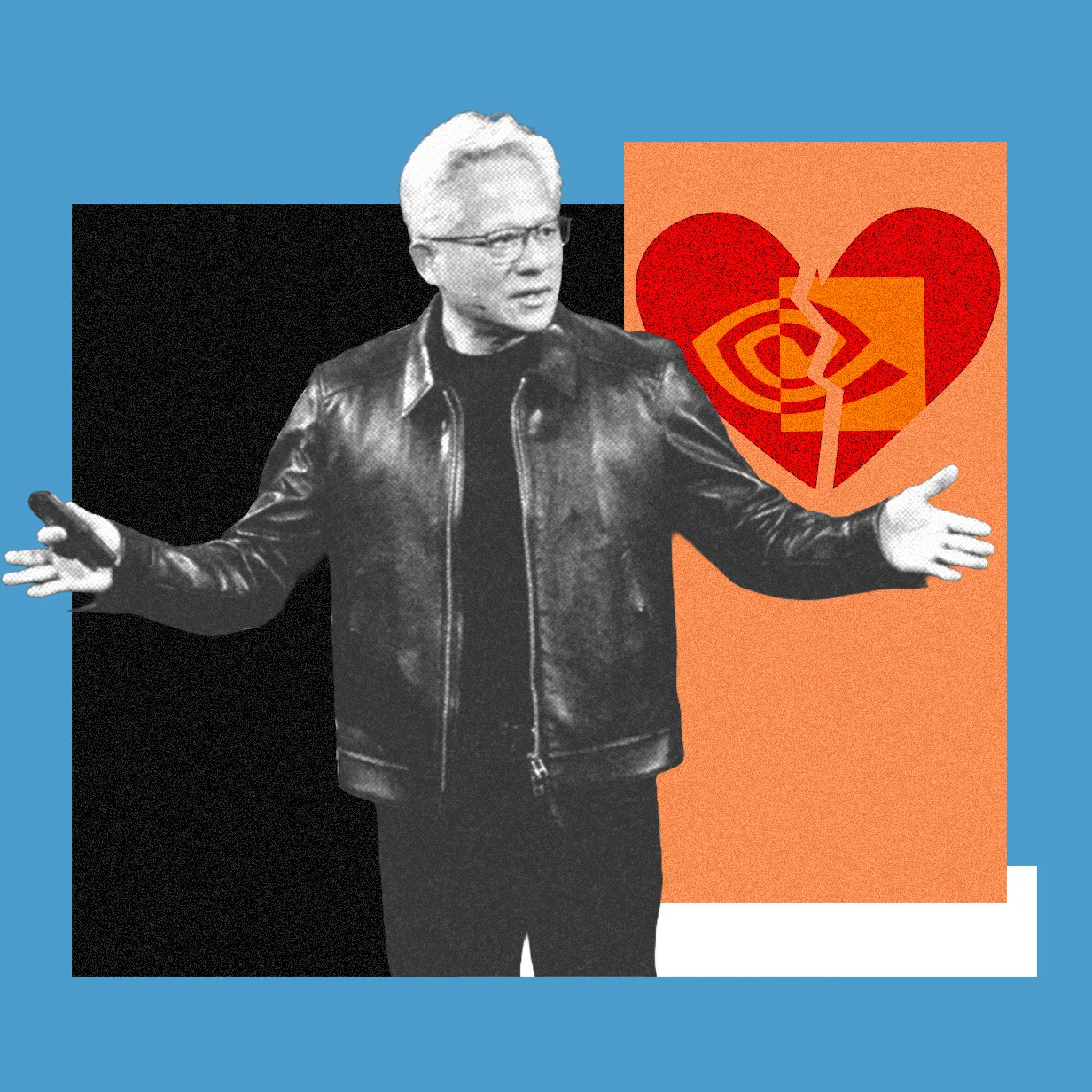
The sudden resignation of Nvidia co-founder and long-time CEO Jensen Huang has sent shockwaves across Silicon Valley, leaving tech leaders, investors, and company employees grappling with the fallout. What began as reports surrounding an affair with Alice Huang—a businesswoman and suspected asset of China’s Ministry of State Security—rapidly escalated into a full leadership crisis as additional relationships with Nvidia staff came to light. The resignation follows 33 years of Huang leading the chipmaker from its founding to becoming the world's most valuable company.
Within Nvidia's workforce of roughly 60,000 employees, the turn of events was met with widespread disbelief. Known internally for a culture where staff speak of having "green in your blood," being "green-pilled," or on "team green," Nvidia has maintained one of the lowest turnover rates in tech due to Huang’s reputation for avoiding mass layoffs and minimizing bureaucracy. One current employee described the rapid shift in sentiment, noting that "in just three days we went from superhero cape to ‘Oops, I forgot my pants,’ and nobody’s quite sure how to swallow that." Prior to his departure, many workers and external observers expected Huang to survive the scandal.
Silicon Valley rallies behind the ousted founder
Despite the nature of the allegations, prominent venture capitalists and tech peers have publicly defended Huang's legacy. Antonio Gracias, a venture capitalist, wrote on X that "one mistake does not erase a lifetime of leadership and contribution in building NVDA." Similarly, venture capitalist Sarah Guo argued on X that a founder who spent 30 years building such a unique enterprise "has earned the presumption that he should keep leading it."
Before the resignation was finalized, several industry executives viewed Huang as virtually irreplaceable, suggesting his primary misstep was acknowledging the initial affair in writing to the entire company. Early in the week, an unnamed venture capitalist estimated there was a "less than 10 percent" chance Huang would lose his position, predicting that "the wind’s going to blow over on this" and that "people are going to hate him for three months, and forget this ever happened." Former employees have also suggested that broader external forces might have been in play, arguing that personal affairs alone should not have triggered the exit of a transformative chief executive.
Security investigations and corporate governance
The controversy deepened as media outlets uncovered further personal disclosures. The New York Times reported an extramarital affair between Huang and an Nvidia vice president, while Reuters revealed a second intimate relationship with an employee. These disclosures accelerated board discussions and heightened external scrutiny.
Regarding national security concerns, Nvidia’s board of directors stated that it does not believe any corporate secrets were compromised during Huang's relationship with Alice Huang. To ensure a thorough review, the board retained the law firm Wachtell Lipton to conduct an investigation. Meanwhile, Chinese authorities have denied claims that Alice Huang acted as a spy. U.S. President Donald Trump publicly noted on Tuesday that the FBI "is looking into it," though neither federal authorities nor Nvidia’s board have formally charged Huang with official wrongdoing.
What it means for developers
The sudden disruption at the top of Nvidia has raised broader economic concerns across the artificial intelligence sector. Nvidia's stock recently slid to its lowest point in over a year, coming right before its scheduled quarterly earnings report next week. Under Huang, Nvidia did not merely sell graphics hardware; it actively sustained the AI ecosystem by funding early-stage AI startups and acquiring companies such as model-hosting provider Hugging Face.
An anonymous chief executive of an AI company noted that these strategic investments helped prop up the demand for compute chips. The executive warned that a "new professional CEO won’t do any of that," meaning that "systemic risk for the AI trade and AI bubble increases substantially."
For software engineers navigating these shifting market dynamics, maintaining flexibility across hardware and model providers is essential. Developers looking to build resilient applications can try top AI models cheaply through one API at https://apixoai.online, simplifying integration while the underlying hardware ecosystem undergoes corporate transitions.
Inside Nvidia, operational teams and projects are pushing ahead rapidly with what remains of Huang's vision. However, how a new executive team balances ecosystem investments with core chip development remains a critical question for the entire developer community.
Source: Silicon Valley Is Still Defending Jensen Huang — Wired AI. Written by the Apixo team from that report.
One key for Claude, GPT, GLM, DeepSeek and more. Pay per token with crypto.
Get your API key