Linus Torvalds on Using AI for Personal Projects and Kernel Reviews
At Open Source Summit Europe, Linus Torvalds shared his thoughts on using AI for side projects, its impact on the Linux kernel, and the strain it places on maintainers.
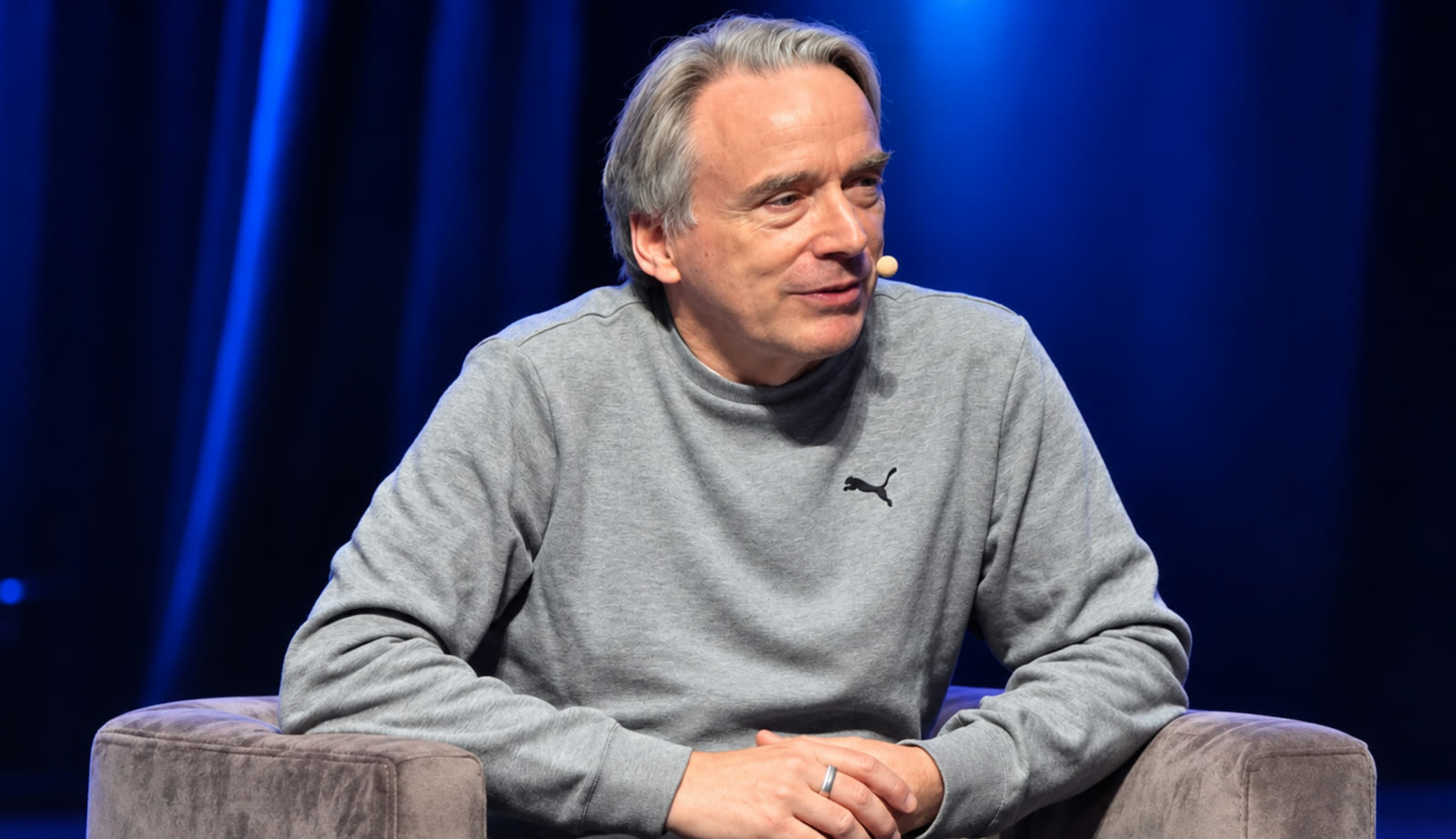
While skepticism toward artificial intelligence remains strong across parts of the open-source community—highlighted by actions such as System76 banning AI-generated content from its COSMIC desktop—Linux creator Linus Torvalds takes a more pragmatic stance. Speaking with Dirk Hohndel, head of Ericsson Software Technology, at the Open Source Summit Europe in Prague, Torvalds revealed that he genuinely enjoys using AI tools, while drawing a clear boundary between casual experiments and mission-critical systems.
Torvalds stressed that while AI can bring fun back to software development, developers must exercise caution when applying it to critical infrastructure. As he noted during their conversation, caution is essential when using AI for tasks that are real and important.
AI as an Entry Point and a Practical Helper
Torvalds reflected on how much the programming landscape has changed since he began coding around 1981. In those early years, computers were simpler, allowing beginners to easily grasp system behavior. Today, software standards are elevated, making it difficult for newcomers to feel that their modest projects hold value when compared against sophisticated, modern software.
Because of that dynamic, Torvalds expressed support for concepts like "vibe coding," describing AI as a helpful gateway drug that allows beginners to build software they might otherwise struggle to produce. He pointed to his own experience working on a personal guitar pedal project. Having written a microcontroller user interface in C on a small screen, he felt the result looked dated, like something from the 1980s. Lacking interest in Java, Torvalds turned to AI to handle the interface design, remarking that he relies on AI for tasks he does not excel at.
His initial attempt required fine-tuning. The first prompt generated poor output, so he fed his working C implementation into the model to refine the visual presentation while retaining functional logic.
The Realities of AI in the Linux Kernel
Beyond personal hobby projects, automated code analysis has made its way directly into kernel development. Hohndel and Torvalds discussed Sashiko, an agentic review system whose public assessments now appear on the Linux Kernel Mailing List (LKML). Some subsystem maintainers have already started expecting patches to undergo this automated review before acceptance, a practice Torvalds anticipates could eventually become universal.
Automated systems can uncover legitimate security vulnerabilities and flag errors in neglected drivers that have persisted for years. However, this assistance introduces friction. Torvalds pointed out that while AI tools improve the codebase, they are simultaneously creating severe stress for human maintainers. At a prior appearance in Mumbai, he noted that fabricated but plausible bug reports force maintainers to waste substantial time disproving them, while "mindless band-aid kind of patches" frequently address superficial symptoms rather than root causes.
According to Torvalds, roughly three-quarters of the discussions at the Linux Kernel Maintainer Summit focused on reducing the burden of AI-assisted generation and review. The core bottleneck is not a shortage of patches, but rather the human capacity to review incoming contributions without burnout.
Evolution of Linux and Incremental Progress
Marking the 35th anniversary of Linux, Torvalds recounted how project workflows evolved from early days of manual tarballs and patches to distributed source management. In the beginning, he handled patches daily and issued weekly updates, working with just his computer. The need for a unified workflow eventually led to BitKeeper, which, despite licensing controversies, proved the utility of distributed revision tracking.
When BitKeeper licensing fell apart in 2005, Torvalds built the initial version of Git in just 11 days. Although early users found it unpolished compared to CVS, Git grew into an industry standard used by roughly 94% of respondents and nearly 97% of professional developers in a 2022 Stack Overflow Developer survey. Torvalds stepped back after six months, crediting the broader community for shaping modern Git.
Torvalds also reiterated his preference for steady, incremental improvement over dramatic feature releases. The kernel's predictable nine-to-ten-week release cycle has provided stability for two decades, and he views AI as another iterative tool that must be balanced carefully against maintainer workload.
What it means for developers
Torvalds' perspective offers practical guidance for working programmers and open-source contributors:
- Use AI for unfamiliar domains: AI tools serve best as assistants for tasks outside your primary expertise, such as styling or scaffolding, rather than replacing core architecture you already know how to write.
- Verify before submitting: Submitting unvetted AI patches or speculative bug reports strains open-source maintainers. Ensure that proposed fixes resolve the underlying flaw rather than merely patching a symptom.
- Prepare for automated reviews: As tools like Sashiko become standard on projects like the Linux kernel, developers should expect automated screening to become an explicit prerequisite in pull requests.
Developers looking to incorporate modern models into their workflows can try top AI models cheaply through one API at https://apixoai.online, simplifying evaluation across different tasks without managing multiple subscriptions.
Source: ‘I use AI to do the things that I’m bad at’: Linus Torvalds on why it works for him — ZDNet AI. Written by the Apixo team from that report.
One key for Claude, GPT, GLM, DeepSeek and more. Pay per token with crypto.
Get your API key