Mark Zuckerberg Agrees to 8-Year California Stay Under New Equity Deal
Meta CEO Mark Zuckerberg has agreed to remain in California for eight years under a board agreement that ties new nonvoting share sales to his physical residence near Meta Superintelligence Labs.
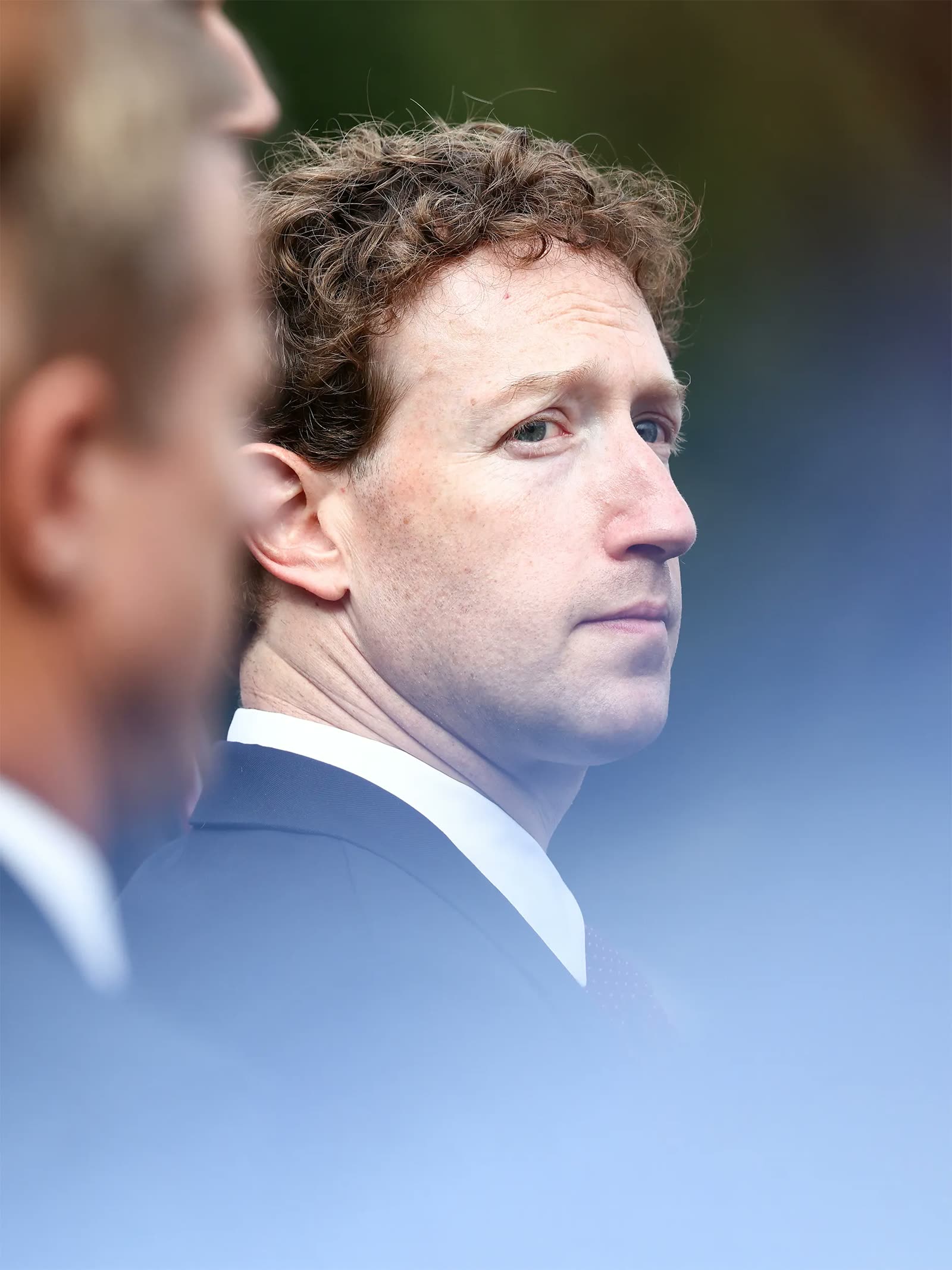
Meta Chief Executive Mark Zuckerberg has committed to remaining in California for the next eight years, putting an end to internal concerns that the executive might leave Silicon Valley to avoid a proposed state wealth tax. According to a 109-page regulatory disclosure published by the company on Wednesday, Zuckerberg reached a structured deal with Meta’s board of directors that ties his physical residency in the state to his ability to liquidate newly created company equity over time.
The tax dispute and the Founder Alignment Agreement
The agreement stems from discussions surrounding Proposition 40, a contentious ballot measure scheduled for a vote next month. If approved by California voters, the proposal would implement a one-time 5 percent tax on stocks and assets owned by billionaires residing in the state as of January 2026. Like many tech founders, Zuckerberg maintains a nominal $1 annual base salary and relies on borrowing against his stock holdings to avoid large income tax liabilities. In February, he acquired a property in Florida, raising speculation about a potential departure from California.
During a dinner with Meta board members on September 9, Zuckerberg disclosed that he was weighing an exit from the state and intended to list his Palo Alto home four days later. To address the situation, Meta established a special board committee comprising attorney Robert Kimmitt, venture capitalist Charlie Songhurst, and DoorDash CEO Tony Xu. Mindful of operational hurdles during the COVID-19 pandemic when Zuckerberg was unable to work directly alongside management, the committee sought to keep the chief executive physically close to headquarters.
The resulting "Founder Alignment Agreement" introduces a new class of nonvoting shares, distributed automatically to existing shareholders. Selling these shares offers Meta a mechanism to fund massive capital expenditures, such as building out specialized AI data centers, without diluting Zuckerberg's voting control. Under the contract terms, Zuckerberg may sell up to 20 percent of his newly issued nonvoting equity to meet immediate tax obligations. The remaining 80 percent will be released incrementally over eight years, provided he maintains his California residency. Attempting to sell these locked shares prematurely would force Zuckerberg to forfeit a portion of his voting equity, unless unforeseen circumstances make remaining in California impractical.
Silicon Valley proximity and Meta Superintelligence Labs
The corporate filing explicitly emphasizes the necessity of keeping leadership anchored in Silicon Valley. Specifically, the agreement aims to ensure that Zuckerberg continues leading Meta from California in direct proximity to Meta Superintelligence Labs, the internal division responsible for developing the company's recent Muse AI models. While tech figures like Google co-founders Sergey Brin and Larry Page reportedly relocated out of state, Meta's board prioritized physical collaboration at its Menlo Park facilities over executive tax savings.
The agreement notes that Zuckerberg is required to reside wherever Meta maintains its corporate headquarters. Consequently, if Meta relocates its headquarters to another state—mirroring recent corporate departures to Texas or Nevada—Zuckerberg would be permitted to move alongside the firm. However, the immediate likelihood of Proposition 40 triggering an exodus remains uncertain, as campaigning against the measure has surpassed $129 million and recent polls indicate it is unlikely to pass.
What it means for developers
For software engineers and AI builders, Meta's new structural arrangement provides stability around its long-term artificial intelligence roadmap. Securing Zuckerberg's leadership in Menlo Park directly alongside Meta Superintelligence Labs helps guarantee that the development of models like Muse will continue without executive restructuring or administrative friction. Furthermore, the creation of nonvoting shares provides Meta with a clear funding vehicle to finance its expensive AI infrastructure and data center footprint.
As Meta expands its model ecosystem, developers seeking to build multi-model applications can experiment with diverse foundational architectures. Platforms like Apixo (https://apixoai.online) allow developers to try top AI models cheaply through one API key, making it simpler to test and evaluate rapidly evolving state-of-the-art systems alongside Meta's offerings.
Ultimately, Meta's board has secured operational continuity at a critical juncture in the generative AI race. By aligning executive equity liquidation with long-term residency in Silicon Valley, the company ensures that its primary leader remains closely tied to its core research units and infrastructure buildouts for years to come.
Source: Mark Zuckerberg Agrees to Stay in California Despite Billionaires’ Tax Ballot Measure — Wired AI. Written by the Apixo team from that report.
One key for Claude, GPT, GLM, DeepSeek and more. Pay per token with crypto.
Get your API key