Meta Exec Warns Election Resistance to Data Centers Threatens AI Growth
Meta President Dina Powell McCormick says recent election results show a growing community backlash against data centers that could complicate future AI infrastructure expansion.
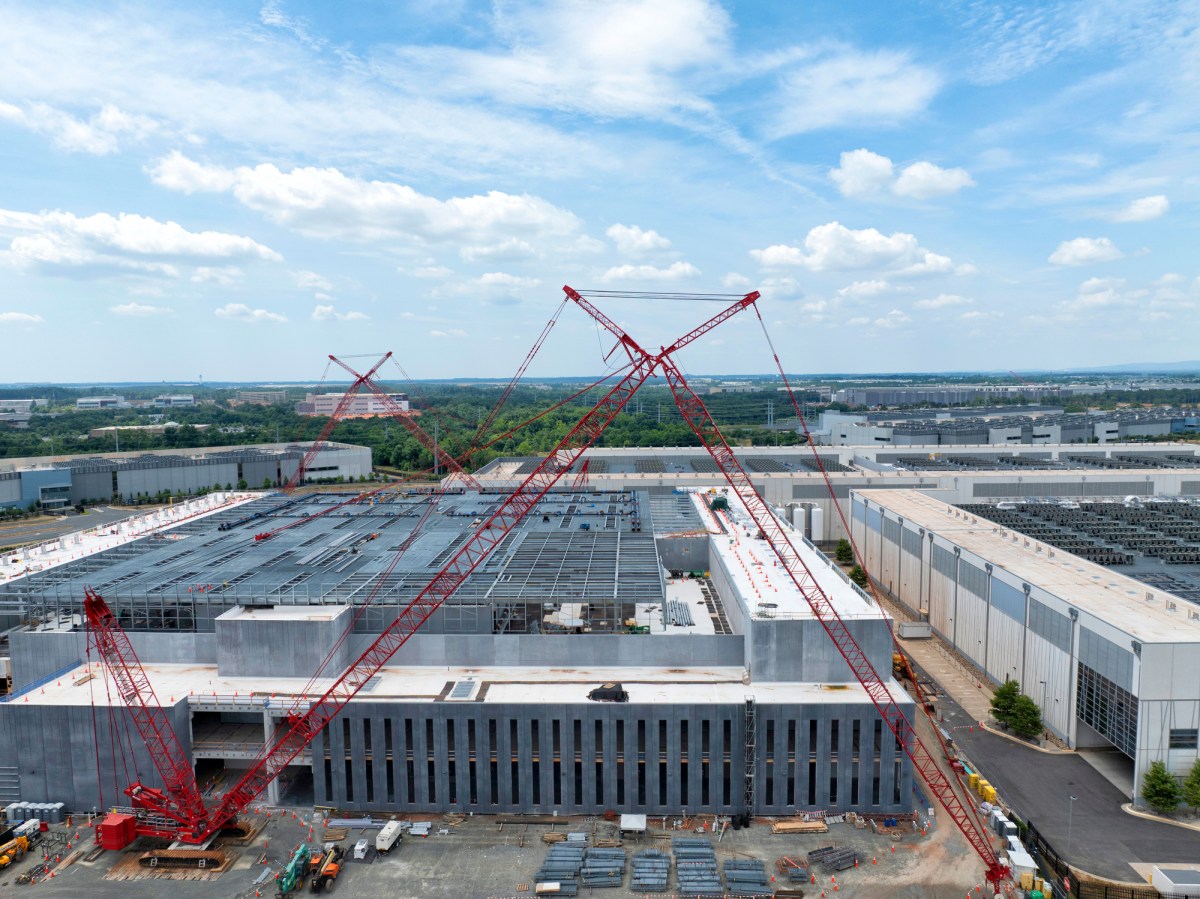
Meta President Dina Powell McCormick recently cautioned that recent midterm election results indicate a growing political resistance to data centers, which could complicate future infrastructure expansion for artificial intelligence. Speaking at the WSJ Tech conference, McCormick noted that the tech sector has struggled to communicate the practical advantages of these large investments. Because physical facilities represent the most visible physical presence of artificial intelligence, communities frequently express direct opposition to hosting them locally.
According to McCormick, this local friction connects directly to broader public skepticism regarding artificial intelligence. She emphasized that Meta hopes to shift public opinion by actively demonstrating how these facilities benefit local populations and how the underlying technology creates value. Citing CEO Mark Zuckerberg's perspective, she noted that the company envisions artificial intelligence as a tool to expand access to education and medical breakthroughs, provided the technology remains democratized and transparent.
Infrastructure Challenges and Local Agreements
Meta brings two decades of experience to constructing infrastructure, having built facilities across 23 states to support its social networking applications. The company currently has five massive projects planned with a capacity of one gigawatt or more, including a facility in Texas. However, political campaigns that capitalized on anti-data-center platforms during the midterms have raised concerns about future investment returns.
McCormick explained that successful facility construction requires clear localized benefits. Meta's current strategy involves funding its own electricity consumption, directing surplus tax revenue toward teachers and first responders, hiring local workers, and securing bipartisan political backing. Moving forward, the company expects increased regulatory review as communities weigh upcoming infrastructure proposals against local interests.
Monetizing Compute Capacity
Meta has heavily prioritized artificial intelligence initiatives, aiming to scale consumer tools like its Muse AI agent far beyond its current user base of 10 million toward a multi-billion user scale. Even if consumer adoption does not meet these targets, the company remains confident that its infrastructure investments will retain value. McCormick mentioned that the firm constantly receives leasing inquiries for its computing power, ensuring multiple avenues for future monetization.
What it means for developers
Infrastructure bottlenecks and local opposition can impact the broader availability and cost of large-scale AI resources. For developers looking to build applications without managing underlying hardware, efficient access remains essential. If you want to experiment with top AI models cheaply through one API at https://apixoai.online, developers can easily integrate leading systems like Claude, GPT, Gemini, Grok, and DeepSeek using a single key.
Source: Meta’s warns that election backlash against data centers could make AI expansion harder — TechCrunch AI. Written by the Apixo team from that report.
One key for Claude, GPT, GLM, DeepSeek and more. Pay per token with crypto.
Get your API key