Meta Expands Muse AI Ecosystem with Open-Source Hardware Tools
Meta has launched Muse Gadgets, an open-source project letting developers build custom hardware connected to its Muse personal AI agent.

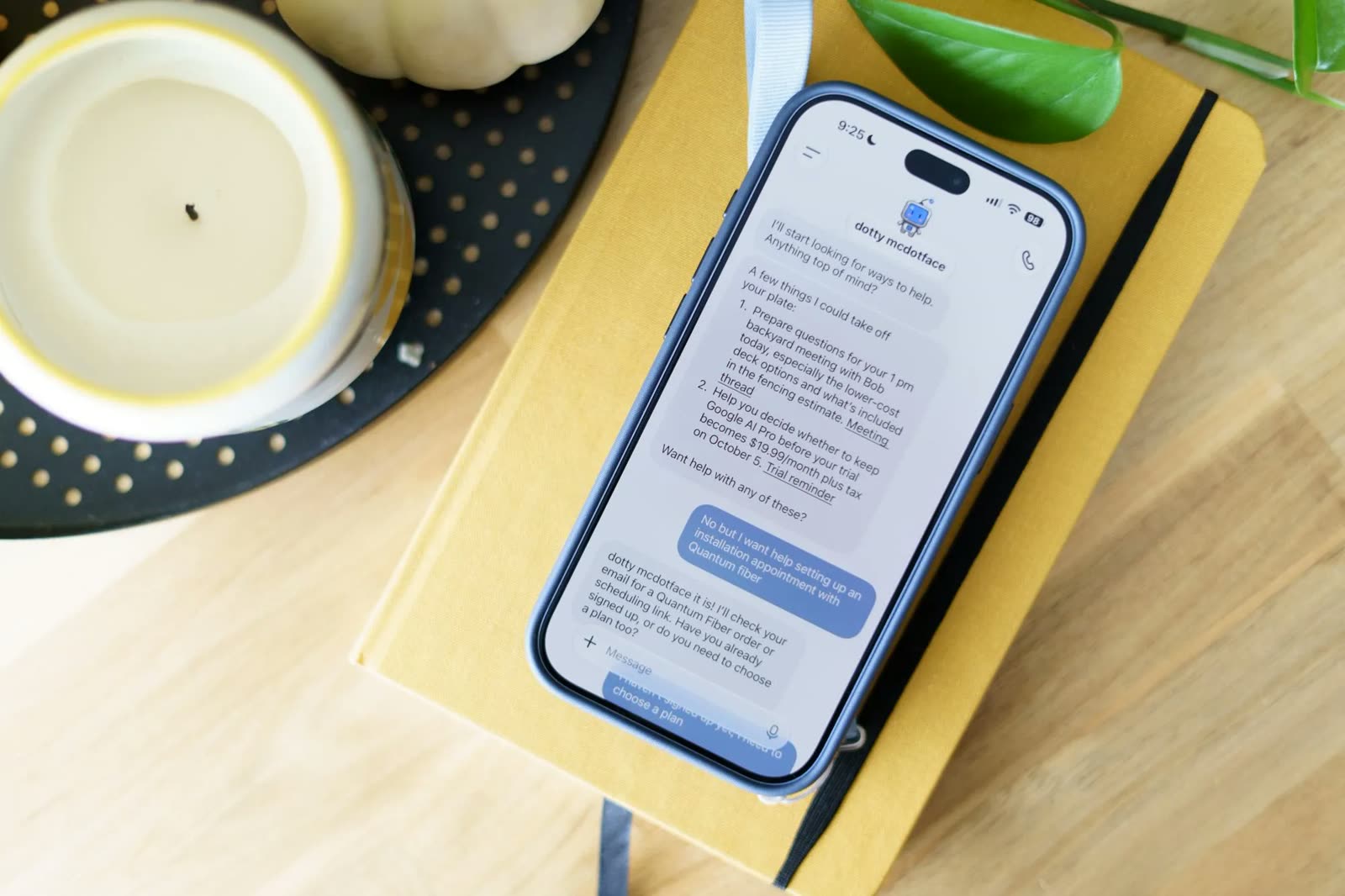
Meta is expanding the reach of its Muse personal AI agent beyond standard chatbot interfaces by introducing an open-source initiative targeted at hardware tinkerers and hackers. Known as Muse Gadgets, the new project provides developers with the necessary tools to construct custom physical devices capable of interacting with the Muse agent.
Building Custom Hardware with Muse
The initiative supplies open-source firmware, which serves as the low-level software operating the device, alongside a Linux software development kit. Meta is also offering initial project concepts to help participants get started. These proposals include integrating Muse with a color e-ink display or placing the software onto a stick designed to plug directly into an HDMI port on a television.
According to Meta, the platform offers significant flexibility. Developers can utilize low-cost hobbyist computers such as a Raspberry Pi or standard ESP32 boards, connecting the AI assistant to various displays, buttons, sensors, and actuators found on a typical workbench. To foster collaboration, the company has established a dedicated Discord channel for user support.
Meta has already experimented with the framework internally. Nat Friedman, head of product at Meta’s Superintelligence Labs, shared on X that the team created a hardware device named Muse Home Link. Powered by USB-C, this gadget allows Muse to connect to a local home network and communicate with connected appliances, including smart TVs and speakers. Meta produced 5,000 units of the Home Link device and offered them at no cost to existing Muse subscribers while supplies last.
Broadening the Reach of Muse
These hardware experiments form part of Meta's wider strategy to establish Muse as a versatile platform rather than just a standalone consumer chatbot. Alongside hardware tinkering tools, Meta has introduced Muse for Small Business, a tier featuring usage limits that links the AI assistant to enterprise applications such as Slack, Dropbox, and Shopify. Additionally, the company formed a new business unit called Meta Enterprise Platform to drive its artificial intelligence offerings into corporate environments.
What it means for developers
For developers interested in experimenting with hardware integration, the release of open-source firmware and a Linux SDK opens up numerous prototyping possibilities using affordable boards like Raspberry Pi or ESP32. Building applications and testing workflows often requires working with multiple AI models. Developers can try top AI models cheaply through one API at https://apixoai.online, providing flexible access to leading systems like Claude, GPT, Gemini, and DeepSeek via a single integration key.
Source: Meta wants your next gadget to be Muse-infused — TechCrunch AI. Written by the Apixo team from that report.
One key for Claude, GPT, GLM, DeepSeek and more. Pay per token with crypto.
Get your API key