Meta Plans $300 Price for Muse Charm Standalone AI Device
Meta's upcoming Muse Charm AI gadget is reportedly priced at $300, featuring a screen, fingerprint sensor, real-time voice support, and a bundled 12-month 5G data plan.
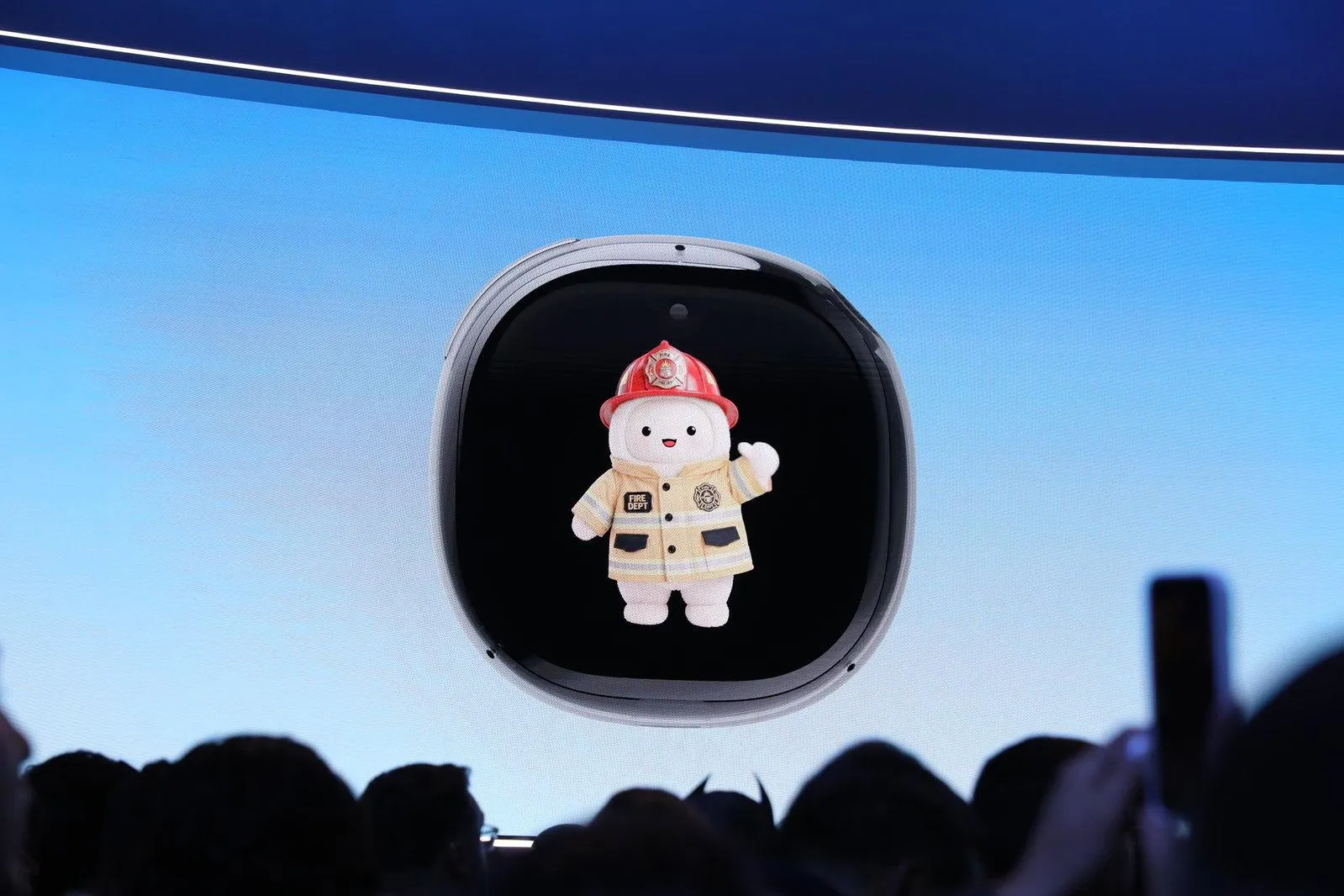
Meta is preparing to enter the standalone consumer AI device market with the Muse Charm, and recent reporting indicates the company is targeting a $300 retail price. According to details published by The Information, the small screen-equipped device is designed to provide users with direct access to Meta's Muse AI agent. CEO Mark Zuckerberg unveiled the hardware earlier this year, pointing to a release window aligned with the December holiday season, though official pricing had not been disclosed during the initial announcement.
Hardware capabilities and cellular connectivity
The Muse Charm is engineered to serve as an instant portal to conversational AI, bypassing the traditional friction of smartphones. During its initial reveal, Zuckerberg explained that the company managed to pack the full Muse experience into the pocket-sized form factor, integrating both real-time voice interactions and avatar technology.
From an interaction standpoint, the hardware features a built-in display alongside a dedicated fingerprint sensor. This biometric sensor allows users to tap the unit and initiate an interactive session with the Muse assistant immediately, eliminating the need to unlock a smartphone or open a mobile application.
To support untethered everyday use, The Information reports that Meta plans to bundle the Muse Charm with 12 months of free 5G data service provided by Verizon. This cellular integration ensures that the assistant remains functional outside the home without requiring constant Wi-Fi access or tethering to a phone.
When asked about the reported pricing and product plans, Meta spokesperson Tyler Yee stated that the company is "charmed by the interest in our AI devices, and we’ll have more to share soon." The focus on bringing the Muse Charm to market has also impacted Meta's broader hardware roadmap; The Information reports that a planned smartwatch project from the company has seen its release pushed back to 2027 while internal teams concentrate on delivering the Charm.
Open-source prototyping and maker access
In parallel with its commercial hardware push, Meta has taken an unconventional approach by sharing the underlying technical foundations with the broader community. The company previously released open-source code designed to let tinkerers and developers assemble their own DIY Muse devices. Journalists have already demonstrated this capability, with Sean Hollister assembling an operational DIY Muse Charm using the publicly accessible code base.
This dual-track strategy—offering both a finished $300 consumer package and open-source implementation guides—highlights an interest in expanding how users interact with conversational avatars and real-time voice models across various physical touchpoints.
What it means for developers
For software engineers and product builders, Meta's push into dedicated conversational hardware underlines a distinct architectural trend: physical AI interfaces designed specifically to reduce interaction latency. By leveraging a single-tap fingerprint trigger, independent 5G connectivity, and real-time voice processing, the Muse Charm shows how conversational agents are migrating away from mobile apps into persistent, task-specific gadgets.
Developers interested in building companion hardware or testing conversational systems can already take advantage of the open-source code released by Meta to experiment with DIY setups. Creating robust voice, avatar, and conversational experiences requires experimenting with various model capabilities. Developers can try top AI models cheaply through one API at https://apixoai.online, simplifying the process of evaluating different language and multimodal backends for custom devices or companion software.
Furthermore, the inclusion of a full year of 5G connectivity suggests that standalone AI hardware may increasingly rely on direct cloud connectivity rather than local Bluetooth tethering. As Meta prepares for its anticipated December rollout and shifts its smartwatch ambitions to 2027, the success of the Muse Charm will offer key data on whether consumers are willing to spend $300 on dedicated AI devices that prioritize immediate voice access over phone-based interactions.
Source: Meta’s Muse Charm might cost $300 — The Verge AI. Written by the Apixo team from that report.
One key for Claude, GPT, GLM, DeepSeek and more. Pay per token with crypto.
Get your API key