Meta Updates Commercial Terms to Enable Web Scraping on Business-Linked Sites
Meta’s updated commercial terms taking effect Oct. 30 allow automated scrapers to crawl websites linked to Meta Business Suite accounts for AI training and product development.
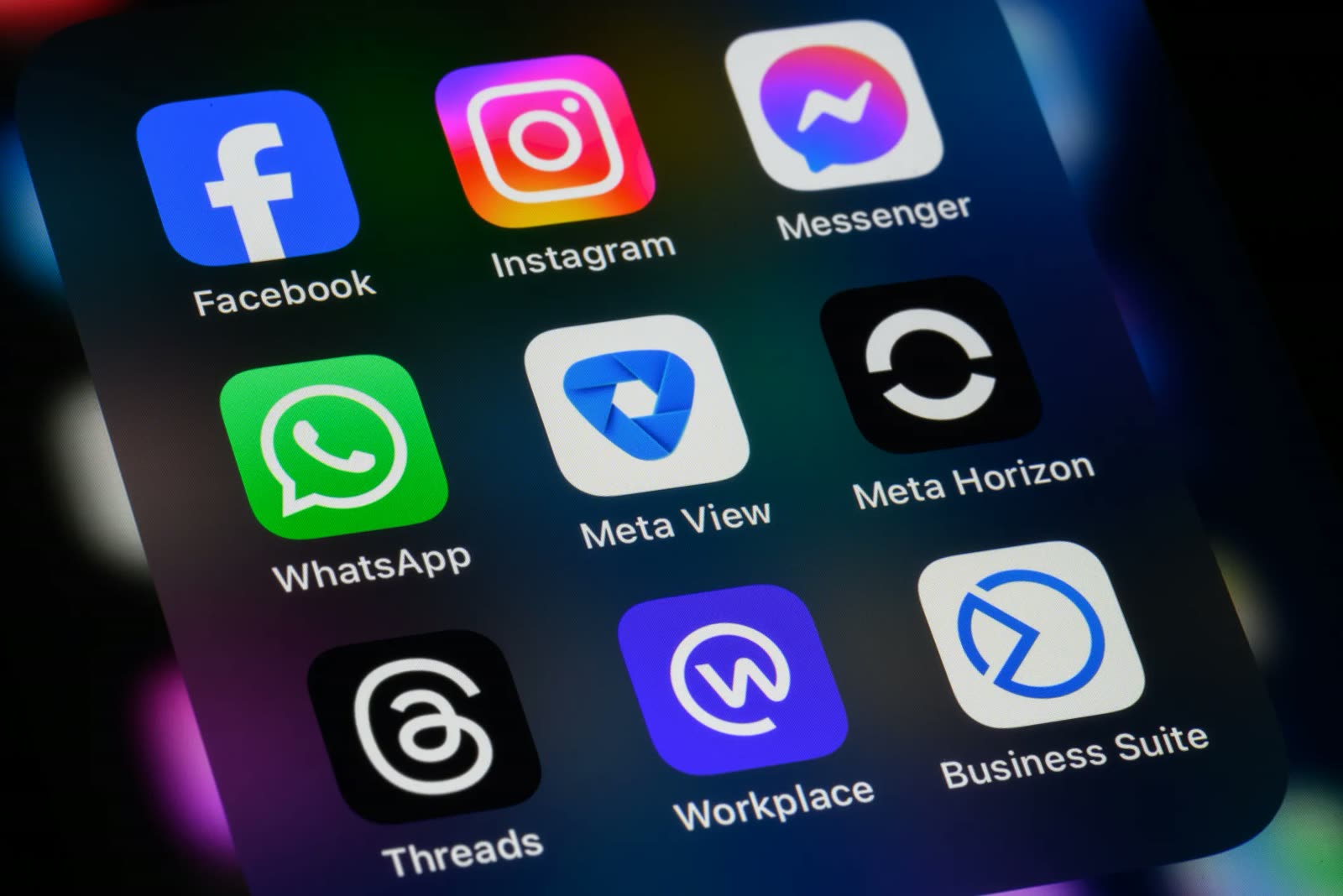
Meta is introducing updated commercial terms that grant the technology giant broad permission to crawl and scrape websites linked to its business tools. Effective October 30, the revised policy applies to organizations utilizing the Meta Business Suite dashboard, a centralized portal used by publishers and enterprises to handle content and communication across Facebook, Instagram, Messenger, and WhatsApp channels.
According to a report from Nieman Lab, legal experts note that the new provisions authorize Meta to deploy automated systems—including web scrapers, crawlers, spiders, user agents, and test credentials—against any domains or URLs linked to a user's business account or commercial activities on the platform. The platform does not offer an opt-out mechanism; businesses that manage public pages or run social campaigns must either agree to these terms or stop using Meta's business services entirely.
An Expanded Scope for Automated Crawling
Under the new language, account holders authorize Meta and third parties acting on its behalf to access, index, cache, analyze, and collect information from external web properties connected to their products or services. Furthermore, Meta reserves the right to periodically pull updates from those URLs.
Crucially for the artificial intelligence sector, the policy outlines how gathered information may be deployed. Meta states that content obtained through these domains can be used to provide, develop, improve, research, train, and maintain the integrity of its products and features.
When questioned about the adjustment, Meta defended the updated language by stating that it represents a consolidation of pre-existing conditions, specifically combining its commercial and self-serve ad terms, as reported by The Verge. However, legal observers and digital publishers view the move as a significant shift in how social platforms interact with connected web properties.
Tensions Between Publishers and AI Development
The updated terms arrive amid escalating friction between digital publishers and artificial intelligence developers. Leading AI organizations require vast volumes of textual data to train foundation models, and journalistic writing remains highly sought after because professional reporting is typically edited and fact-checked, unlike informal web text or personal blog posts.
At the same time, publishers have grown increasingly protective of their archives. The rise of AI-driven search features has contributed to reduced referral traffic to news outlets, directly threatening digital advertising revenue. In response, publishers—including ZDNET's parent company, Ziff Davis—have pursued copyright lawsuits against artificial intelligence companies for incorporating proprietary reporting into model training runs and providing synthetic search summaries without direct attribution.
While certain AI labs have entered formal licensing partnerships with media companies to legally secure training material, Nieman Lab reports that Meta’s new dashboard terms could allow the company to circumvent such licensing deals for any organization maintaining an active business presence across Meta's network.
What it means for developers
For developers and technical teams managing enterprise online footprints, these terms highlight how platform integrations can affect infrastructure and intellectual property. Organizations that connect external domains to social distribution channels must recognize that Meta's user agents and automated scrapers may routinely crawl their public endpoints, documentation, and product catalogs for model training and service evaluation.
Engineering teams tasked with monitoring automated bot traffic will need to differentiate between general web crawlers, search indexers, and Meta’s authorized agents. Because the commercial agreement explicitly permits Meta to utilize test credentials and retrieve periodic updates, site reliability engineers and security architects should review how their authentication layers and robots.txt configurations respond to authorized scraping activity.
Moreover, this shift underscores the evolving nature of training data sourcing across the broader technology ecosystem. As data ownership boundaries become more tightly regulated through platform agreements, technical teams building downstream software must carefully evaluate the provenance and licensing of the models they deploy. For teams working on AI-driven workflows, staying adaptable is critical; developers can experiment with and compare top AI models cheaply using pay-per-token API access via a single key at https://apixoai.online.
Ultimately, Meta's contract consolidation signals that platform terms of service will continue to serve as a primary mechanism for securing training data, requiring engineering and product leaders to weigh the marketing reach of major social ecosystems against control over their public web content.
Source: Have a Meta business account? You’re consenting to AI scraping now, legal experts say — ZDNet AI. Written by the Apixo team from that report.
One key for Claude, GPT, GLM, DeepSeek and more. Pay per token with crypto.
Get your API key