Microsoft Posts $10 Billion in Revenue from OpenAI Ties
Microsoft revealed it brought in $10 billion from OpenAI partnerships in the September quarter, highlighting deep financial links amid growing competition.
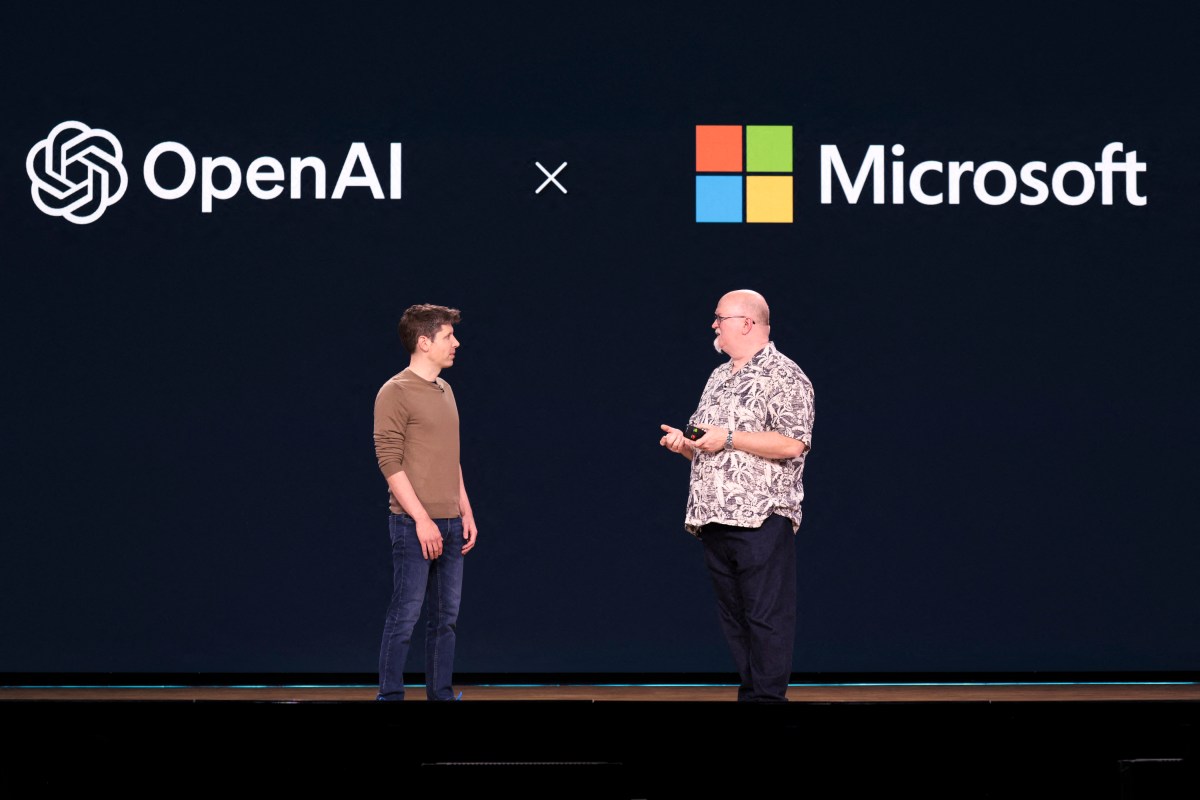
Microsoft generated $10 billion in revenue from its commercial agreements with OpenAI, which include revenue-sharing payments, during the quarter that ended on September 30. The software giant disclosed these figures in a regulatory filing on Wednesday, demonstrating the massive financial magnitude of the relationship between the two entities.
The recorded sum accounts for nearly 11% of Microsoft's overall quarterly revenue, which stood at $92.3 billion. This substantial figure emphasizes how deeply connected the companies remain, even as they increasingly vie for the same customer base. Because Microsoft's fiscal year begins in July, the quarter ending September 30 marks the first period of its 2027 fiscal year.
Financial Scale and Receivables
The scale of these commercial interactions is substantial. Looking back at the full 2026 fiscal year, Microsoft's revenue stemming from OpenAI reached $24.1 billion. Based on the performance of the latest quarter, the company's annual revenue from OpenAI-related arrangements could scale up to $40 billion.
In addition to the recognized revenue, Microsoft noted $7.2 billion in outstanding receivables from OpenAI at the conclusion of September. This is an increase from the $6 billion reported at the end of June. The corporation clarified that these receivables reflect funds owed by OpenAI for prior transactions rather than newly generated income.
The exact breakdown of how much of this revenue originates from Azure cloud services versus revenue-sharing payments has not been officially detailed. Previous reports from late 2025 indicated that OpenAI shares a portion of its revenue with Microsoft stemming from a massive investment deal exceeding $13 billion, though neither organization has publicly verified the exact percentage. Under an agreement reached in April 2026, OpenAI is obligated to continue sharing revenue with Microsoft through 2030, subject to a designated cap, while retaining the freedom to collaborate with rival cloud infrastructure providers.
Shifting Partnership Dynamics
The alliance between the two tech leaders has evolved significantly over recent years. The companies began relaxing the constraints of their historically exclusive partnership in October 2025, when Microsoft gave up its board seat to grant the startup broader operational freedom to work with alternative cloud vendors. In return, OpenAI agreed to purchase an additional $250 billion in Azure cloud services as part of that October 2025 accord.
Despite these massive financial flows, Microsoft's equity ownership stake in the AI startup has seen a minor decrease, moving from approximately 25% in June down to 24% in September. This shift continues a steady reduction from roughly 27% following a recapitalization event in October 2025, though Microsoft did not officially disclose the precise reasons behind the ownership dilution.
What it means for developers
For engineers building modern applications, the ongoing financial health and complex corporate maneuvers between infrastructure giants and frontier AI labs underscore the rapid maturation of the generative AI ecosystem. While Microsoft and OpenAI balance deep cloud commitments with emerging commercial competition, developers have more flexibility than ever to leverage top-tier models. For those looking to integrate multiple systems without managing fragmented vendor accounts, developers can try top AI models cheaply through one API at https://apixoai.online, streamlining access to systems from leading providers like OpenAI, Anthropic, Google, and others under a single integration key.
Source: Microsoft recorded $10 billion in revenue from OpenAI — TechCrunch AI. Written by the Apixo team from that report.
One key for Claude, GPT, GLM, DeepSeek and more. Pay per token with crypto.
Get your API key