Natural Language Tools Are Bringing Vibe Coding to Protein Design
Recent advancements in AI software allow researchers to use natural language prompts to design proteins and interpret DNA sequences, bridging human text and biological functions.
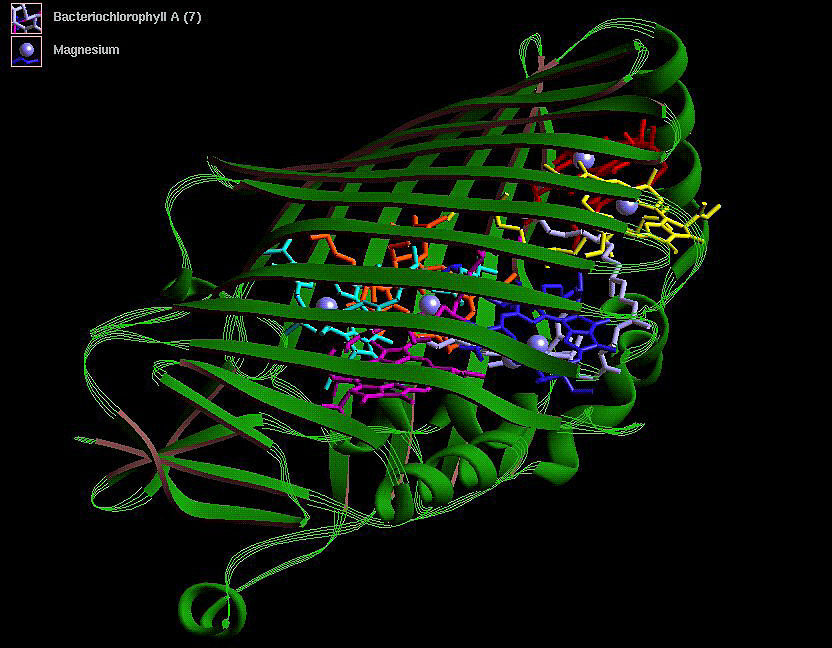
Traditional protein design tools have historically demanded deep technical expertise. Researchers typically had to specify precise constraints, such as amino acid arrangements or enzyme mechanisms, before automated systems could generate a matching 3D structural shape. While effective, these systems lack an intrinsic understanding of biological function, requiring scientists to bridge the gap using detailed chemical knowledge.
A large research collaboration based in China has introduced a new system called Pinal to make protein design more accessible. Instead of requiring hyper-specific coordinates, Pinal utilizes natural language prompts to produce functional proteins. The architecture relies on vast training data, including millions of keyword-protein pairs sourced from three separate databases and paired with structural predictions from AlphaFold.
Pinal operates through a two-stage process. First, a text-to-structure module known as T2struct translates a human-language prompt into a structural blueprint consisting of a linear array of tokens. This output is then processed by SAProt-T, a system that combines the original text and structural probabilities to generate the final sequence of amino acids. During testing, the team tasked Pinal with producing 50,000 proteins designed to fluoresce like green fluorescent protein (GFP). After rigorous filtering to select structural barrels and key modifiable amino acids while discarding sequences resembling known proteins, they tested 29 high-priority candidates in E. coli, resulting in one functional fluorescent protein.
The Arrival of DNA-Level Language Models
In a separate development, Hugging Face, alongside the Zhongguancun Academy and the University of Naples Federico II, unveiled an open-weight model called Carbon X. This tool operates at the DNA level and can run directly on local hardware like a MacBook. Built upon a human-language model called Qwen3-14B, Carbon X underwent retraining, reinforcement learning, and supervised fine-tuning using DNA sequences.
The resulting model is capable of speaking both English and the language of DNA. Developers can prompt Carbon X with a mix of natural language and genetic code to predict subsequent sequences or analyze the consequences of specific mutations. While internal performance suggests it competes with specialized commercial options like GPT-6.1 Sol, the creators note that it can still struggle with specific positions on longer sequences and may hallucinate if prompts lack sufficient detail. Running locally offers distinct advantages, primarily cost efficiency and privacy for proprietary queries.
What it means for developers
These advancements point toward a future where biology and software engineering intersect more fluidly, much like standard code generation. However, utilizing these systems does not eliminate the need for domain experts. While tools like Pinal and Carbon X output sequences rapidly, users must still screen the results using specialized software and test them in well-equipped laboratories. For developers looking to experiment with underlying language architectures, Apixo lets you try top AI models cheaply through one API at https://apixoai.online. Ultimately, natural language models for biology aim to bridge the gap between bioinformatics tools and experimental biologists, potentially accelerating research by removing the friction of complex software manuals.
Source: Vibe genes? Natural(ish) language comes to protein, genome design software — Ars Technica AI. Written by the Apixo team from that report.
One key for Claude, GPT, GLM, DeepSeek and more. Pay per token with crypto.
Get your API key