Nvidia Battles Stock Slump and Leadership Turmoil Despite Record Q3 Numbers
Despite posting $115.8 billion in Q3 revenue, Nvidia faces market drops and executive instability following Jensen Huang's resignation and upcoming congressional scrutiny.
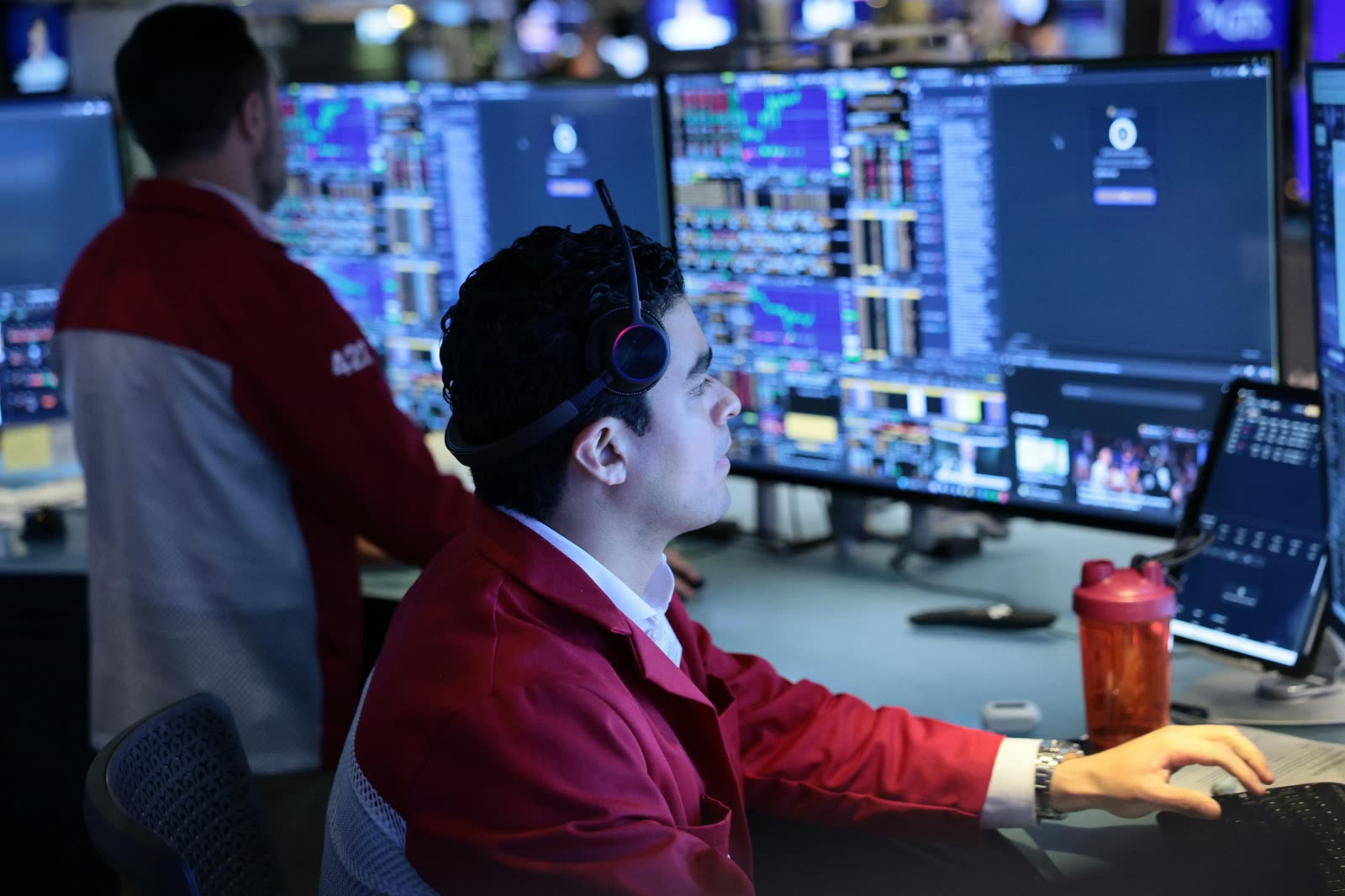
Nvidia is navigating one of the most contradictory periods in its corporate history. Despite reporting third-quarter revenue that more than doubled year-over-year to $115.8 billion, the semiconductor giant saw its stock price drop to a 52-week low of $145.98 per share, marking a nearly 40 percent slide from its all-time high set on October 6th. The steep decline contrasts sharply with market enthusiasm for its major partners; AI developer Anthropic recently made its Nasdaq debut at $111.50 per share, which was 34 percent higher than initial projections.
Interim CEO Colette Kress tried to project stability during the company’s recent earnings call, concluding with the message: "We’ve got this." However, Wall Street continues to weigh historic financial performance against unprecedented executive shakeups and regulatory inquiries.
Record financials clash with executive upheaval
Purely by the numbers, Nvidia’s core operations remain exceptionally strong. Third-quarter data center revenue surged 110 percent compared to the same period last year, surpassing analyst expectations. The company also rolled out its Vera Rubin platform during the quarter, generating nearly $20 billion in revenue in what Kress described as the fastest product ramp in the company's history. Kress stressed to investors that customer demand remains sustainable and highlighted multiyear supply agreements that stretch to the end of the decade.
Yet these financial gains have been overshadowed by the sudden departure of co-founder Jensen Huang, who had led Nvidia since its founding in 1993 without a formalized succession plan. Harvey Jones, the newly appointed chairman of the board, informed investors on the earnings call that the board does not plan to reinstate Huang and has retained an executive search firm to find a permanent chief executive. While Huang stated on X that he would be honored to return, Nvidia's leadership team is proceeding with a transition.
The sequence of events behind the drop
Nvidia’s rapid stock decline unfolded over roughly two and a half weeks. Troubles surfaced publicly on October 29th, when The New York Times reported that US intelligence agencies suspected Huang had been targeted in a Chinese espionage plot. That reporting focused on his relationship with Alice Huang, an executive at Singapore-based Nvidia customer Megaspeed. Although Nvidia initially defended the interactions as normal and the stock held steady at $213.66, broader market pressure quickly set in alongside chip sell-offs and macroeconomic concerns over data center expansion.
Matters escalated drastically on November 8th, when Huang issued an internal staff memo apologizing for an extramarital affair. The disclosure coincided with an independent investigation by Nvidia's board into allegations of misconduct and potential compromises to national security or corporate data. Shares slid 7 percent the following morning. Following subsequent reports regarding a second alleged affair with an employee, Nvidia announced Huang’s official resignation on November 12th. That morning, retail traders bought $111 million in shares during the first 30 minutes of trading to buy the dip, according to Vanda Research data reported by Bloomberg.
Nvidia's leadership challenges are far from over. Huang is scheduled to appear on December 1st for transcribed interviews before the House Foreign Affairs Committee, the House Intelligence Committee, and the Select Committee on the Chinese Communist Party. Nvidia’s general counsel will face similar interviews the following day.
What it means for developers
For engineering teams and organizations building production AI systems, Nvidia's turbulent period underlines the volatility of relying on a single infrastructure narrative. While the Vera Rubin platform is already driving significant revenue and core chip deliveries continue under existing supply agreements, shifting leadership and heightened regulatory scrutiny around data center sales create potential headwinds across the hardware supply chain.
As hardware dynamics shift, software developers increasingly prioritize multi-model strategies rather than tightly coupled infrastructure setups. To maintain flexibility and control costs, developers can access top AI models like Claude, GPT, Gemini, Grok, and DeepSeek cheaply through one unified API key at https://apixoai.online. This approach allows engineering teams to focus on shipping reliable user applications while insulating their backend architecture from broader supply chain and corporate developments.
Source: A brief history of Nvidia’s recent stock fluctuations — The Verge AI. Written by the Apixo team from that report.
One key for Claude, GPT, GLM, DeepSeek and more. Pay per token with crypto.
Get your API key