Nvidia Board Launches Probe Following Jensen Huang Security and Affair Allegations
An independent inquiry at Nvidia is examining national security questions and CEO Jensen Huang's ties to an executive at Singapore cloud firm Megaspeed.
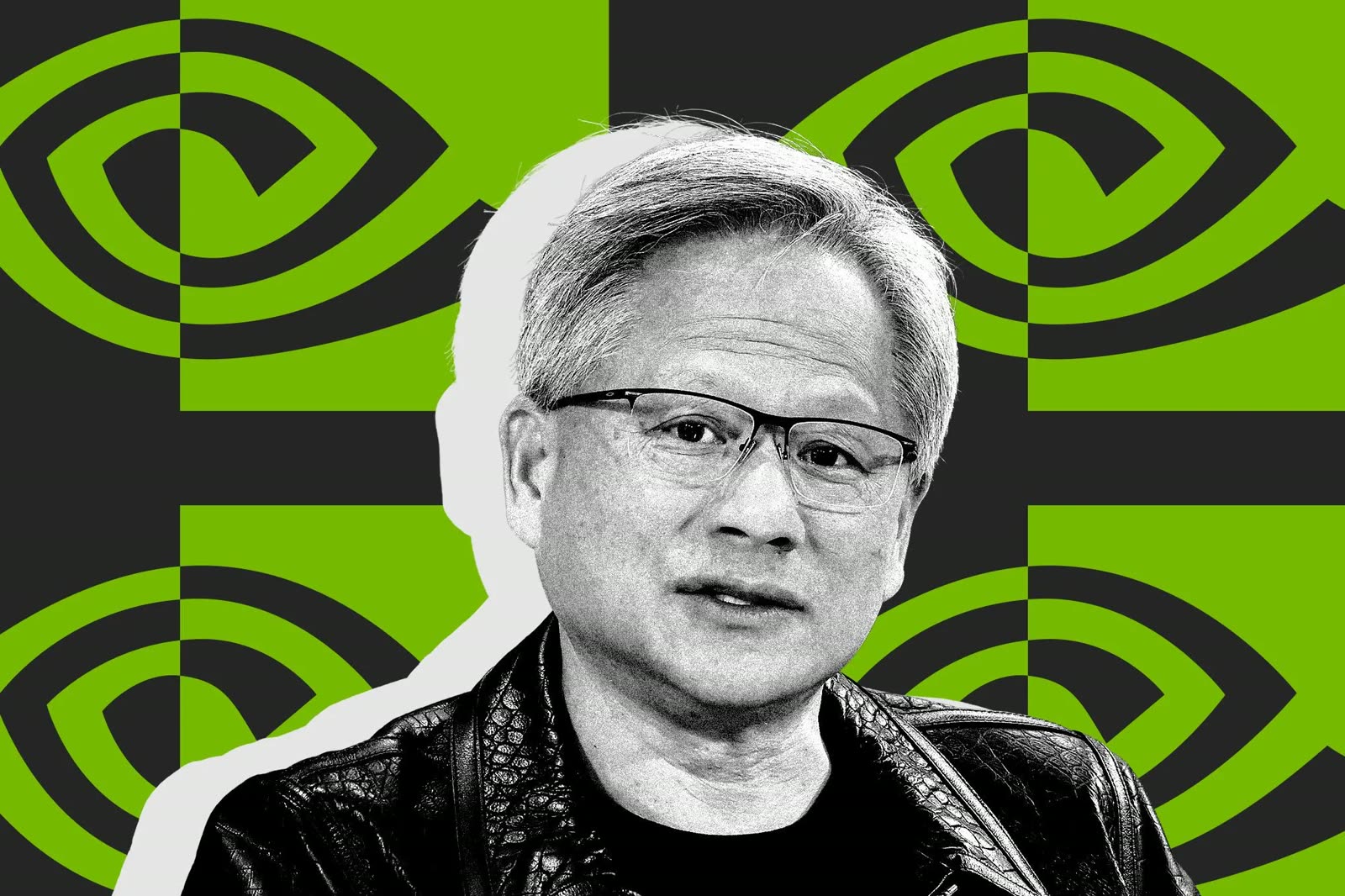
Nvidia’s board of directors has initiated an independent inquiry following reports concerning Chief Executive Jensen Huang’s extramarital relationship with an executive at Megaspeed, a Singapore-based cloud provider and major Nvidia buyer that US authorities suspect is connected to Chinese intelligence activities. The development has placed intense scrutiny on the leadership of the world's preeminent AI chipmaker, which holds a market capitalization of approximately $4.25 trillion and accounts for nearly $99 billion in equity investments across frontier AI labs, neoclouds, and infrastructure providers.
Huang confirmed personal infidelity in an internal message to employees and family members, expressing deep regret while affirming his commitment to remain at the helm of the company. In response to concerns regarding espionage, Nvidia stated it has no reason to believe that trade secrets or national security were compromised. The board's independent review will proceed without Huang controlling the participants.
Allegations and the Megaspeed connection
The controversy centers on Alice Huang, an executive at Megaspeed who has no familial relation to Jensen Huang. United States officials cited by The New York Times allege that she has served as a foreign intelligence asset providing information to the Chinese government. According to official assessments, Megaspeed is suspected of operating within a broader network of Chinese businesses seeking to purchase semiconductors in volume and potentially transport them into China, with Alibaba cited as one of Megaspeed's primary clients.
Trade data from ImportGenius indicated that Megaspeed’s sister company in Malaysia acquired $4.8 billion or more in Nvidia hardware and technology between June 2024 and February 2026. Analysts noted that purchases of this scale are atypical for smaller enterprises during an era of extreme hardware shortages. Hanna Dohmen, a senior research analyst at the Center for Security and Emerging Technology (CSET), noted that foreign intelligence gathering surrounding Nvidia’s leadership would logically target export policy insights, discussions with the White House, and internal product schedules regarding forthcoming chips and customer allocations.
Export policy debates and Washington ties
The scrutiny coincides with Huang’s extensive lobbying efforts regarding US export limits. Throughout 2025, Huang engaged with the administration of President Donald Trump and White House AI czar David Sacks, advocating for permitted sales of semiconductors such as the H20 to Chinese buyers. Huang argued that maintaining American chip deployment in China prevents indigenous Chinese hardware ecosystems from establishing alternative standards.
In July 2025, shortly after being seen at a dinner in Taiwan with Alice Huang, the Nvidia executive met Trump in the Oval Office, following which the administration permitted H20 shipments. Later that year, in December 2025, the administration permitted shipments to a vetted group of buyers in China, subject to a 25 percent US government fee.
Concerns regarding Megaspeed were documented in a classified memo overseen by Secretary of State Marco Rubio prior to a presidential visit to China in May. Trump has continued to defend Huang publicly, calling him an honorable individual and expressing support for his continued role as CEO.
What it means for developers
For the broader developer ecosystem, the stability of Nvidia's leadership and regulatory standing is critical. The company's accelerators form the foundational computing layer for major frontier model developers and enterprise systems. Morningstar analyst Brian Colello highlighted that Nvidia entered into agreements in August with six major financial institutions to secure over $500 billion in financing for AI data centers and related infrastructure. Any leadership disruption or shift in regulatory posture could affect these financing terms and alter future hardware deployment schedules.
Furthermore, Morningstar cautioned that federal authorities could potentially revisit approvals for H20 sales or apply sanctions, creating ongoing friction in international compute availability. While geopolitical shifts and hardware supply chain pressures continue to create uncertainties for infrastructure planning, software teams still require dependable model access. To bypass individual infrastructure bottlenecks, developers can try top AI models cheaply through one API at https://apixoai.online, maintaining direct access to frontier models as the underlying hardware market navigates these regulatory challenges.
Source: What could China get from Jensen Huang? — The Verge AI. Written by the Apixo team from that report.
One key for Claude, GPT, GLM, DeepSeek and more. Pay per token with crypto.
Get your API key