Nvidia Board Launches Probe Into CEO Jensen Huang Over Intelligence-Linked Affair
Nvidia faces executive uncertainty after CEO Jensen Huang comes under board investigation following an affair with an individual linked to Chinese intelligence.
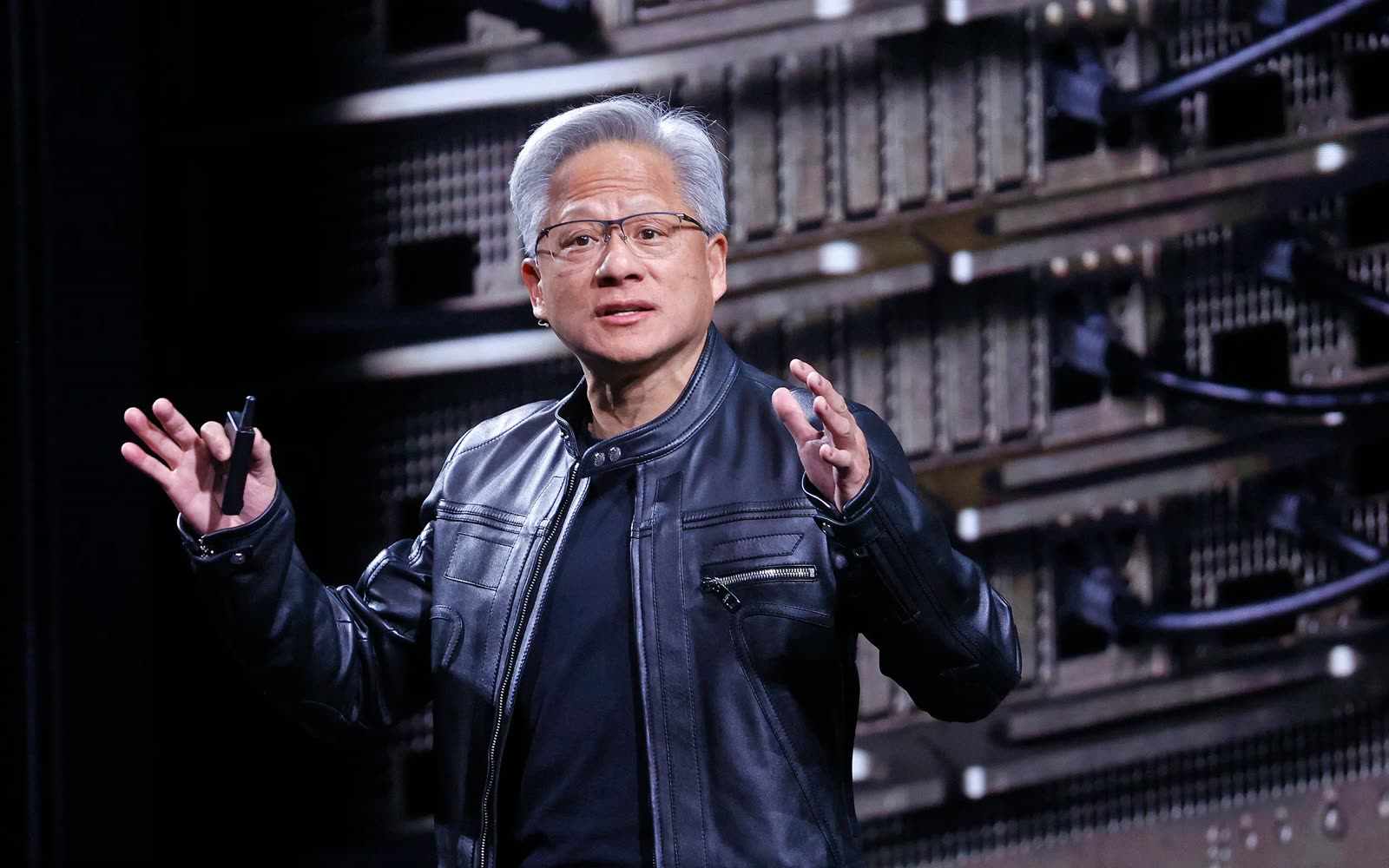
The artificial intelligence industry faces unprecedented leadership uncertainty following an internal investigation announced by Nvidia’s board of directors into Chief Executive Officer Jensen Huang. The review comes after Huang admitted to having an affair with Alice Huang, an executive at a Singapore-based firm identified by United States intelligence services as a Chinese intelligence asset. According to corporate filings, Huang, who cofounded Nvidia in 1993, earned $36 million last year and held roughly 3.5 percent of the company’s stock as of March. The filing notes that he is an at-will employee who can be terminated without severance pay. Nvidia stated that Huang fully supports the board's review and is cooperating with the process.
The news triggered an immediate reaction on Wall Street, where Nvidia shares dropped by more than 4 percent on Monday despite gains across broader market indices. The situation has raised significant questions about executive stability at the world's most critical AI hardware vendor.
Leadership Centralization at the Core of the AI Boom
Huang’s potential departure creates a unique vulnerability for Nvidia and the broader technology sector. The company currently commands 90 percent of the market for semiconductors used to train frontier artificial intelligence models. Beyond supplying hardware, Nvidia has invested billions of dollars into major AI developers that purchase its chips, including OpenAI and Anthropic.
Industry observers emphasize how deeply Huang personally controls hardware distribution and corporate operations. "He’s the person who decides who gets the chips and who doesn't," said David Yoffie, a professor at Harvard Business School. Yoffie noted that when figures like Elon Musk construct new data centers, they reach out directly to Huang. Internally, Huang manages granular operational details across Nvidia's approximately 60,000 employees and frequently speaks at industry events to address market bubble concerns.
However, Nvidia lacks a designated successor or an executive with comparable industry stature. "We have no idea who would replace him," Yoffie observed, adding that replacing Huang introduces unpredictability for customers. Ryan Fedasiuk, a senior fellow at the Foundation for American Innovation, described Huang as load-bearing for the American AI sector, noting that he built the company and pioneered the GPU technology driving the AI revolution. Nevertheless, Fedasiuk stressed that no CEO can be indispensable, stating, "He has to be replaceable as the CEO of the world's largest company, at $4 trillion in capex."
Heightened Geopolitical and Export Scrutiny
The revelations are also expected to intensify regulatory pressure on semiconductor exports. Beyond Nvidia’s internal inquiry into potential policy violations, the situation could draw scrutiny from federal law enforcement and lawmakers. The FBI could investigate potential legal breaches, while Congress may examine whether Huang’s relationship impacted policy decisions regarding technology sales to China.
The controversy touches on sensitive trade policy debates. Both the first Trump administration and the Biden administration previously introduced stringent export controls to restrict China’s access to advanced Nvidia chips and semiconductor manufacturing technology. In his second term, President Donald Trump relaxed some restrictions, permitting sales of older-generation chips under the rationale of keeping China reliant on American technology.
That trajectory may now change. Sam Bresnick, a research fellow at Georgetown University’s Center for Security and Emerging Technology, highlighted that export controls were already facing upward pressure. "There was going to be more of an impetus to control what chips are getting sent to China anyway," Bresnick noted. "I expect there to be more scrutiny on what's going on, what's getting sent to China. I think there's also going to be more scrutiny from the Commerce Department."
What it means for developers
For software engineers and AI builders, leadership turmoil at Nvidia highlights underlying vulnerabilities in hardware supply chains. Because Nvidia controls 90 percent of the frontier training chip market, any disruptions in executive decision-making or sudden shifts in GPU allocation policies could influence data center expansions and model deployment timelines. If regulatory bodies impose stricter controls on export hardware, international deployment strategies may also require adjustment.
At the application layer, developers facing hardware uncertainty or rising compute costs often seek flexible access across multiple model providers. Platforms like Apixo allow engineering teams to try top AI models cheaply through one API at https://apixoai.online, offering access to models from Anthropic, OpenAI, Google, DeepSeek, and others without committing to single-vendor infrastructure.
While Nvidia’s long-term corporate governance remains to be determined by its board and potential federal inquiries, the episode demonstrates how closely the global AI ecosystem relies on a small circle of hardware executives. As scrutiny increases, developers will likely watch closely for any changes in chip supply lines and government policy.
Source: Jensen Huang’s Troubles Leave the AI Industry Reeling — Wired AI. Written by the Apixo team from that report.
One key for Claude, GPT, GLM, DeepSeek and more. Pay per token with crypto.
Get your API key