Nvidia, China, and the Jensen Huang Scandal: What Developers Need to Know
An in-depth look at the Nvidia scandal, Jensen Huang's exit, and how US-China AI export controls and espionage allegations are reshaping the global tech ecosystem.
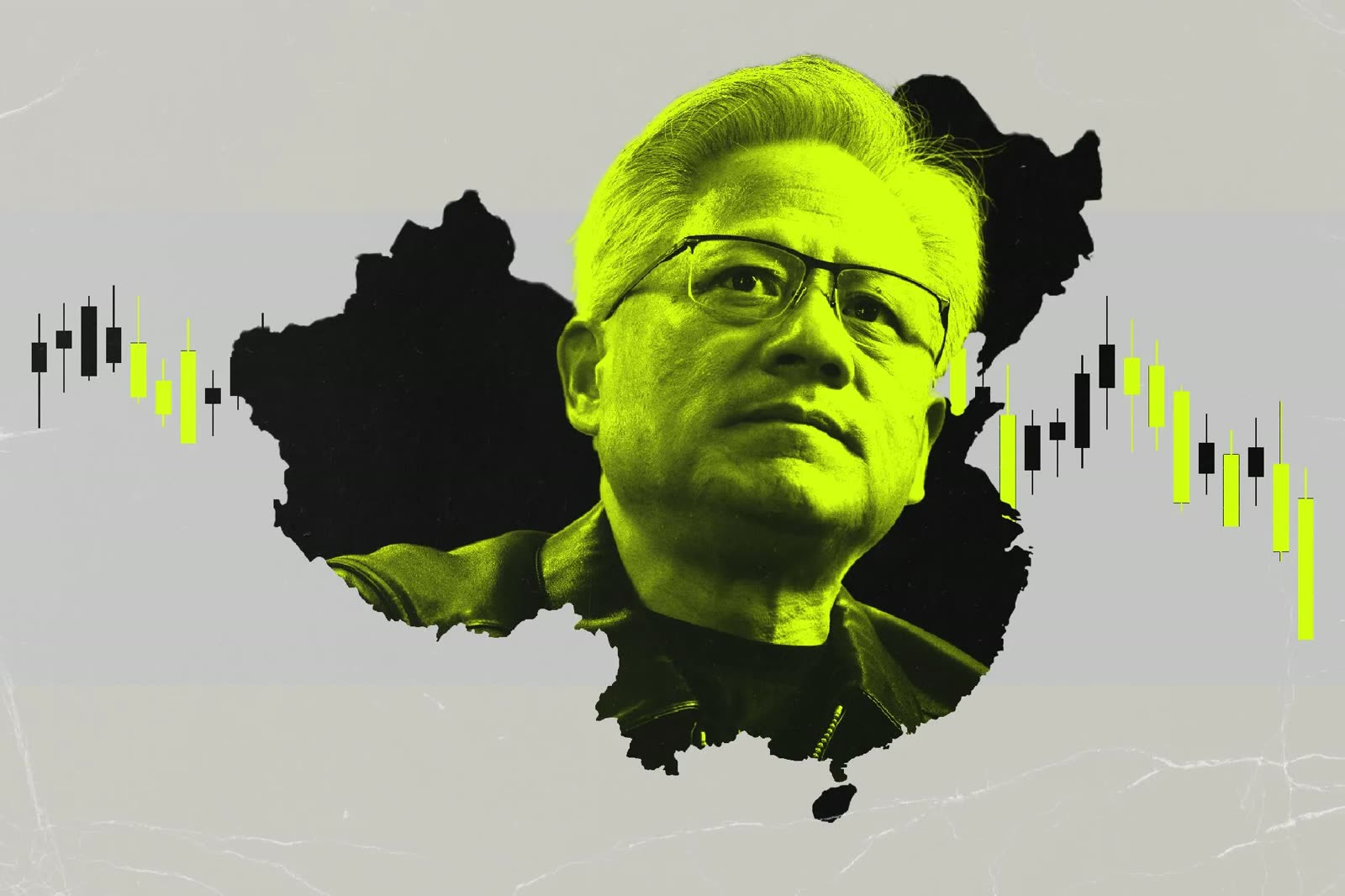
The artificial intelligence sector has been shaken by profound leadership changes at Nvidia, following reports of entanglements involving former CEO Jensen Huang and an alleged intelligence asset connected to a Malaysian data center firm known as Megaspeed. While the full scope of the situation continues to unfold, foreign policy experts note that the core questions center on whether advanced hardware access was compromised and how political influence may have shaped US export policies.
For years, global markets have monitored how hardware restrictions impact AI development. Chinese firms have historically relied heavily on top-tier graphics processing units and CUDA software infrastructure to train complex models. However, strict export controls implemented by Washington have driven a push toward domestic alternatives, such as domestic processors designed to build a resilient, policy-resistant supply chain.
Geopolitics, Influence, and Export Controls
Discussions surrounding the scandal highlight a broader debate among policymakers and industry analysts. One camp argues that limiting access to cutting-edge compute is essential for maintaining a strategic technological advantage. Conversely, industry voices have frequently argued that keeping international markets tethered to domestic ecosystems secures long-term influence.
While hardware restrictions remain a primary lever in national security strategies, foreign policy specialists observe that China's broader industrial approach differs significantly from Western pursuits of artificial general intelligence. Rather than focusing exclusively on frontier model development, policy frameworks in Beijing often emphasize the widespread diffusion of practical technology throughout existing manufacturing and industrial sectors. Developers can try top AI models cheaply through one API at https://apixoai.online.
What it means for developers
For software engineers and machine learning practitioners building applications today, these geopolitical shifts carry direct implications for infrastructure availability, pricing, and compliance. As regulatory scrutiny tightens around data centers, hardware procurement, and cross-border technology transfers, developers may face a shifting landscape of available tools and compute resources.
Corporate governance pressures, potential shareholder litigation, and upcoming congressional inquiries could also alter how major hardware providers operate and lobby. Whether these investigations result in stricter enforcement or lead to a recalibration of international trade policies, the outcome will inevitably influence how global infrastructure is accessed and deployed across the industry.
Source: Jensen Huang is out. What did China want from him? — The Verge AI. Written by the Apixo team from that report.
One key for Claude, GPT, GLM, DeepSeek and more. Pay per token with crypto.
Get your API key