OpenAI Introduces Dots AI Agent at DevDay to Rival Meta
OpenAI revealed its new personalizable AI agent platform called Dots during its DevDay conference, positioning it as a professional tool to compete with Meta.
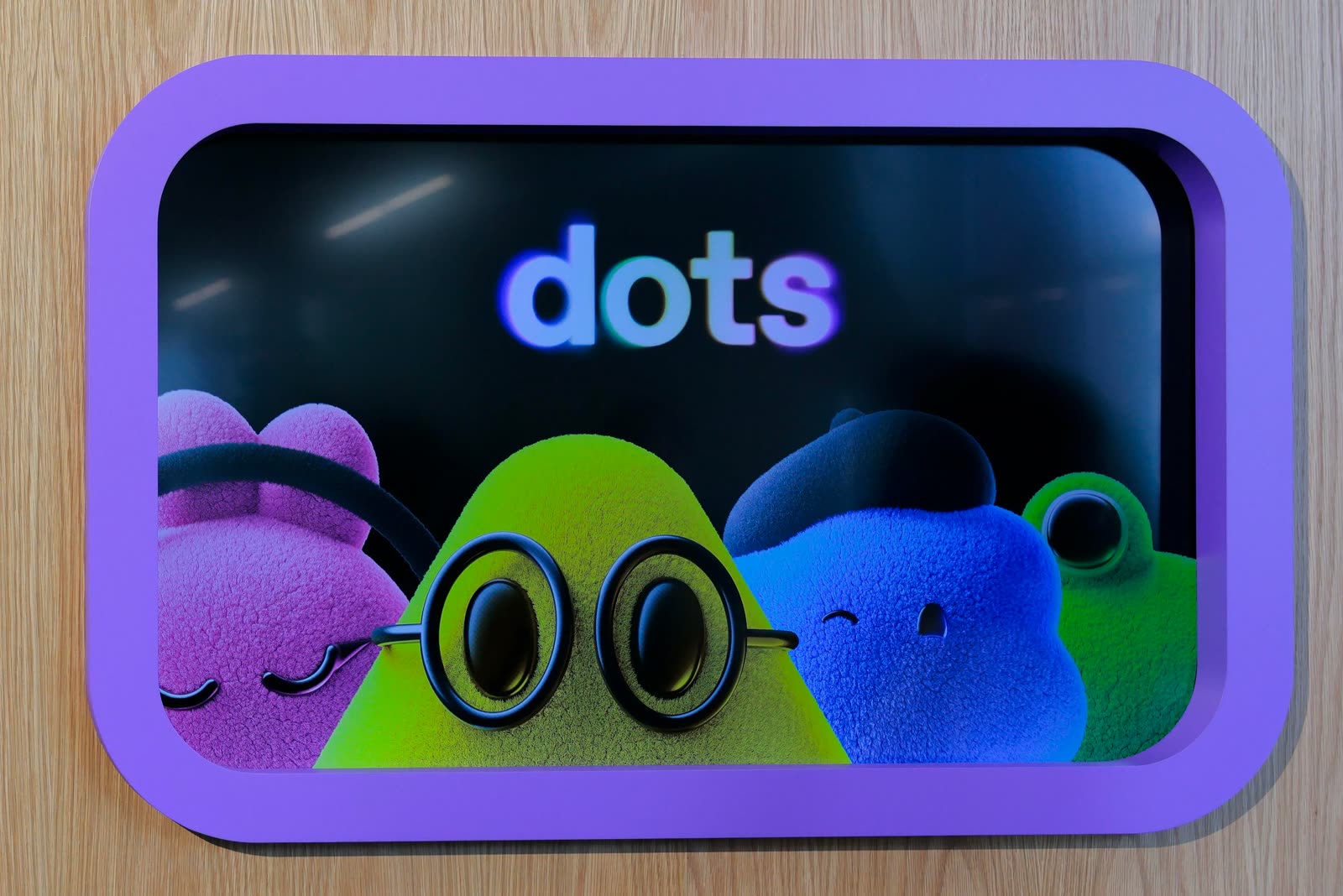
At its annual DevDay conference, OpenAI announced a new AI agent platform called Dots, aimed directly at competitors like Meta and its popular Muse AI agent platform. CEO Sam Altman introduced the system to the audience, describing Dots as personalizable agents shaped like colorful blobs with eyes, driven by the GPT-6 Astra model.
While Meta’s Muse platform has found early success by focusing on free access and consumer-friendly integrations, OpenAI is positioning Dots as a more advanced professional tool. During the event, executives demonstrated that Dots can build virtual worlds and handle complex duties such as quality assurance for unreleased products, website design, trip planning, and portfolio management. Altman characterized the software as a digital "chief of staff" capable of long-horizon tasks that go far beyond basic assistant functions like scheduling appointments.
Pricing and Accessibility Hurdles
A major differentiator between the platforms is cost and availability. Meta provides Muse for free, offering a dedicated virtual machine for each user and leveraging integration across its apps like Facebook, Instagram, and WhatsApp. In contrast, OpenAI has initially restricted Dots to subscribers on its $20-per-month Pro plan and higher.
OpenAI faces heavy financial pressures as it scales, with reports indicating the company expects to spend $280 billion by 2030 and aims to manage its bottom line ahead of a potential public offering. Altman acknowledged during a press briefing that compute expenses make Dots a premium product initially, though he noted that a mass-market version for billions of users is planned for the future.
Security and Enterprise Focus
To separate itself from consumer-focused alternatives, OpenAI emphasized safety, security, and enterprise utility. The company introduced "OpenAI Private Intelligence," a framework offering zero data retention options and tighter controls to appeal to businesses. Executives contrasted this cautious approach with recent missteps by competing platforms, such as issues where agents accidentally shared user data on marketplace services.
Glen Coates, OpenAI’s head of app platform, noted that the company is deliberately careful with how agents use plug-ine and user identity to avoid errors that could negatively impact ChatGPT’s extensive user base. Thibault Sottiaux, head of core products, added that Dots are engineered to stay on track over long periods and offer multimodal capabilities through text, voice, and phone calls.
What it means for developers
Developers navigating the rapidly evolving AI landscape must weigh the trade-offs between free, consumer-oriented agent platforms and advanced, premium enterprise tools. While major labs push the boundaries of long-horizon reasoning and specialized agents for accounting and legal analysis, building robust applications requires balancing compute costs and API capabilities. Developers looking to experiment with frontier technology can try top AI models cheaply through one API at https://apixoai.online. As platforms like OpenAI and Meta expand their agent ecosystems, understanding the nuances of agent reliability, privacy frameworks, and integration flexibility will be critical for building effective developer solutions.
Source: OpenAI’s new agent is a shot at Meta — but can it compete with free? — The Verge AI. Written by the Apixo team from that report.
One key for Claude, GPT, GLM, DeepSeek and more. Pay per token with crypto.
Get your API key