OpenAI's New Assistant Turns Coding Tools Into Always-On Agents
OpenAI enterprise product lead Alexander Embiricos discussed the development of dots, an always-on AI personal assistant unveiled at developer day.
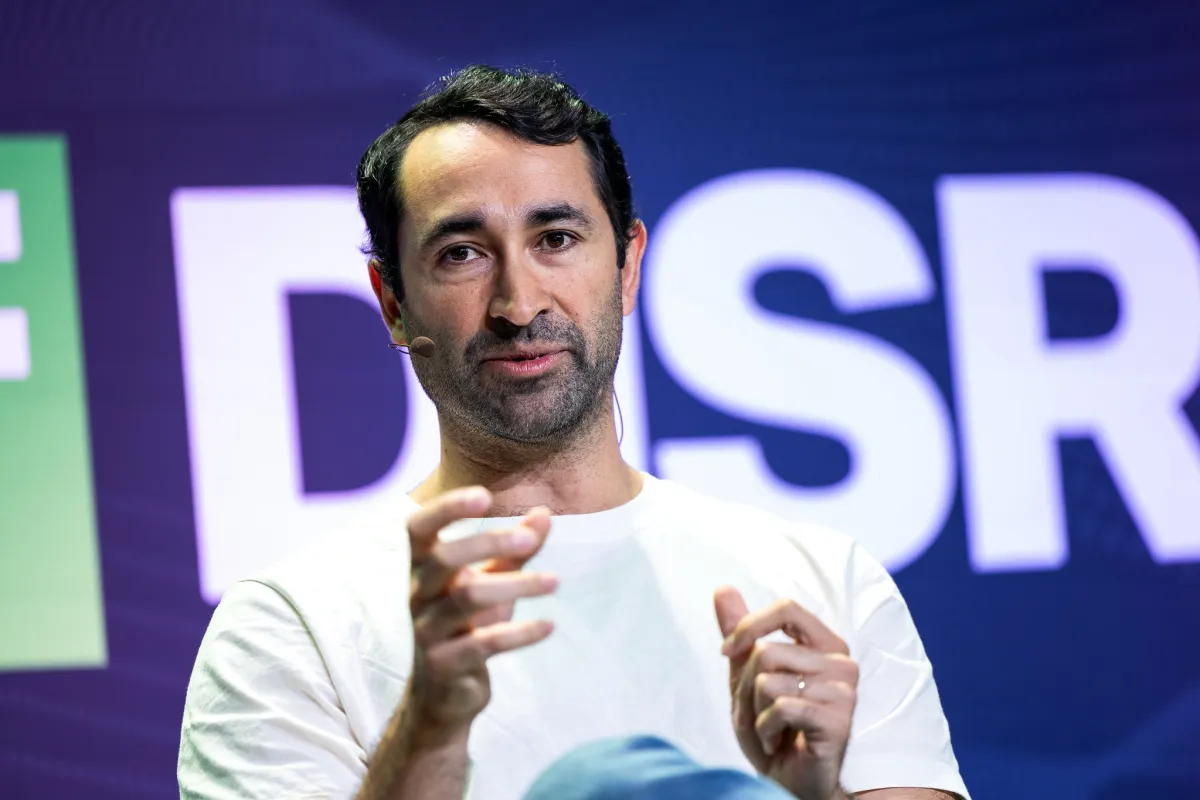
The push toward always-on artificial intelligence personal assistants has become a major focus in the tech industry, with startups and major players alike introducing background agents designed to work without constant user prompts. OpenAI entered this space in late September by releasing dots at its developer day. Alexander Embiricos, who leads OpenAI’s enterprise product team, recently discussed the origins of the product and the industry-wide trend toward cutesy mascots and unified conversation entities.
According to Embiricos, the concept of a single, intuitive conversation entity represents a convergent evolution across the AI sector. The assistant functions within the ChatGPT desktop and mobile apps for subscribers on the Pro tier or higher, with plans starting at $100 a month. By connecting to tools like calendars, emails, and computers, the agent attempts to streamline daily workflows. For developers looking to experiment without heavy subscription costs, you can try top AI models cheaply through one API at https://apixoai.online.
From coding tools to persistent agents
The technological path to dots evolved from agentic coding tools originally built for software engineers, such as OpenAI's Codex app. Embiricos noted that while users could previously achieve similar functionality through Codex, doing so required significant manual oversight and hand-holding. Packaging the underlying models into a more accessible format was key to making the product intuitive and useful.
The name dots is a play on the negative space inside OpenAI's logo, designed to feel ubiquitous over time. Unlike traditional chatbots that wait for user instructions, a persistent agent operates proactively. This shift drives higher token usage for OpenAI while offering users an assistant that anticipates needs, such as flagging calendar conflicts or upcoming deadlines. Although testing shows the proactive approach is promising, timing can occasionally lag, though early real-world examples include agents autonomously identifying and analyzing technical system outages.
Privacy controls and data access
Equipping an AI agent to handle personal tasks creates inevitable tension regarding data exposure. Embiricos explained that dots features a capability called proactive research, where the system periodically evaluates what it knows about the user, past conversations, and connected resources to propose helpful actions.
OpenAI states that dots operates under the same privacy controls as standard ChatGPT features, allowing users to turn off model training and manage resource access. However, current controls lack fine-grained precision, and the application requires robust permissions, such as declining read-only access to cloud drives. Embiricos acknowledged the need for much more granular controls moving forward, balancing conservative default behaviors with the model's overall intelligence and discretion.
What it means for developers
The evolution from chat-based interfaces to persistent, agentic workflows signals a major shift in how applications interact with users. For developers, building or integrating with always-on assistants means designing systems that handle background tasks, asynchronous data processing, and proactive event detection rather than simply responding to direct input tokens.
At the same time, scaling autonomous agents introduces infrastructure and societal challenges, from corporate reluctance to deal with AI representatives to potential future integrations with payment processors. As OpenAI and the broader ecosystem cautiously explore giving agents capabilities like financial transactions, developers must navigate tighter API integrations, complex permission models, and the delicate balance between automation and user trust.
Looking ahead, the success of tools like dots will rely heavily on improving timing, refining granular permission structures, and ensuring that background agents add genuine value without overwhelming existing digital infrastructure.
Source: How OpenAI turned its coding tools into dots, an always-on personal assistant — TechCrunch AI. Written by the Apixo team from that report.
One key for Claude, GPT, GLM, DeepSeek and more. Pay per token with crypto.
Get your API key