Oracle Introduces APEXlang as AI Shifts Enterprise Software Creation
Oracle is tackling the challenge of maintaining machine-generated code by introducing APEXlang, a new abstracted language designed for AI software development.
The landscape of software development is undergoing a permanent shift as machine-generated code becomes the industry norm. While early low-code platforms aimed to accelerate development cycles, the rapid rise of AI coding has introduced fresh challenges regarding governance, maintenance, and long-term oversight for enterprise organizations.
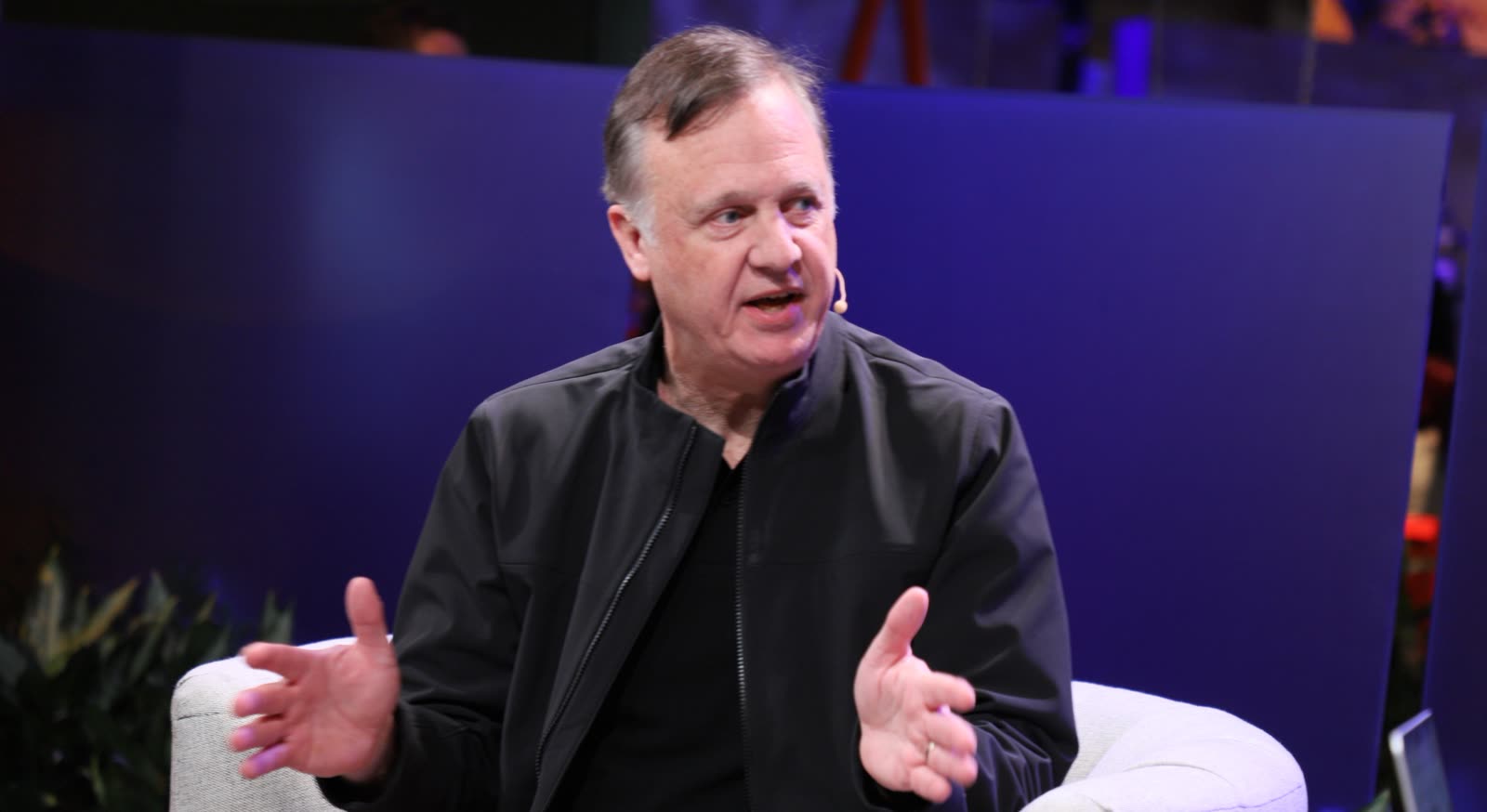
Ahead of its annual conference, Oracle Corp. outlined its strategy to address this transition. According to Mike Hichwa, senior vice president of software engineering at Oracle, the industry has crossed a major threshold. Speaking with Dave Vellante of theCUBE Research during an exclusive broadcast at Oracle AI World, Hichwa noted that the majority of software was written by humans in 2025, but moving into 2026 and beyond, machines will author the majority of code permanently.
Bridging Vibe Coding and Enterprise Governance
To manage the reality of automated development, Oracle created a new approach called APEXlang. Introduced alongside the APEX AI Application Generator, this abstracted application definition language focuses on capturing user intent rather than deep implementation details. Oracle has made the grammar, documentation, and skills for APEXlang publicly available so coding agents like Anthropic's Claude and OpenAI's Codex can easily produce it. Additionally, Oracle is collaborating directly with OpenAI to optimize models for generating this specific language.
The core challenge enterprises face is that code generated repeatedly must eventually be maintained, governed, and understood by human teams. Hichwa emphasized that organizations need consistency and ease of comprehension across their software portfolios. Because APEXlang functions at a high level of abstraction—acting more like a summary than a sprawling manual—it helps prevent chaotic, unmanageable code outputs often referred to as AI slop.
Governance is further reinforced through the runtime environment. The generated code is interpreted directly by the APEX engine, which receives regular monthly updates and patches from Oracle, sparing customers from manually revising their custom-built applications.
What it means for developers
As enterprises demand cleaner, more maintainable codebases from AI tools, developers must adapt to working with higher-level abstractions rather than writing every line manually. Tools like APEXlang show how platforms are evolving to make AI-generated software easier to govern, read, and update. For engineers experimenting with these advanced capabilities, developers can try top AI models cheaply through one API at https://apixoai.online.
Source: As AI takes over coding, Oracle rethinks how applications are built — SiliconANGLE AI. Written by the Apixo team from that report.
One key for Claude, GPT, GLM, DeepSeek and more. Pay per token with crypto.
Get your API key