Proposed $31B Australian Datacentre for Anthropic's Claude Sparks Local Backlash
A massive 725-hectare datacentre proposed in Queensland to power Anthropic's Claude LLM faces community opposition and a shift in government planning authority.
A massive $31 billion datacentre proposal in rural Queensland, Australia, has sparked an intense debate over the physical footprint of artificial intelligence. Planned for a 725-hectare site outside Kogan, near Dalby, the facility is designed to power Claude, the large language model built by AI company Anthropic. If constructed, it will be the largest datacentre in Australia, located about 180 kilometers west of Brisbane. However, for local residents who have spent decades navigating the boom-and-bust cycles of heavy industries, the project represents a controversial new chapter in regional development.
The scale of the proposed facility, developed by Singapore-based Zerra DC, is unprecedented for the region. It is slated to occupy land currently used for a 24,000-head feedlot, surrounded by active gas wells. The datacentre will require a peak power capacity of 2.16 gigawatts (GW), which represents approximately one-quarter of Queensland's entire state energy demand. While Zerra DC claims the facility's cooling system will be highly efficient—requiring about the same amount of water as an average shopping centre—the sheer energy requirements have raised alarm. The project is expected to create thousands of construction jobs and around 1,400 permanent positions, with Anthropic aiming to begin operations as early as next year.
Community Backlash and Historical Parallels
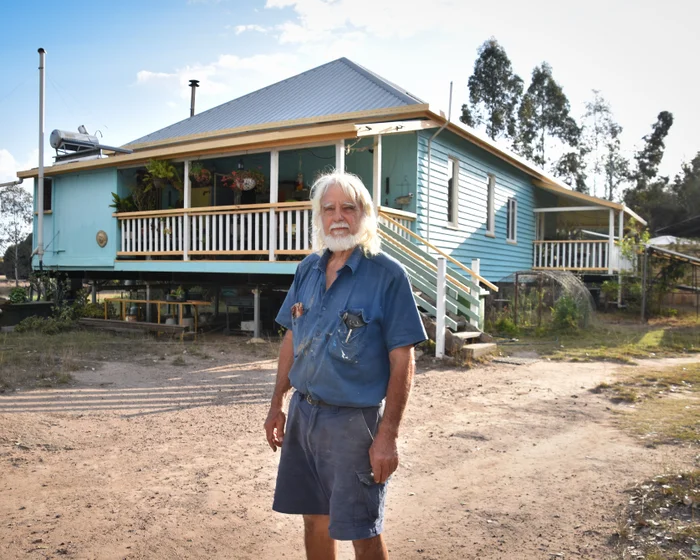
Local residents like Denver Kanowski, who has lived on a bush block in the area for 70 years, view the project with deep skepticism. Having witnessed coal mines, gas power plants, and the nearby Linc Energy contamination site, Kanowski describes the massive development as driven by greed and shortsightedness. Similarly, Mordechai Winters, a travel agent from Dalby, helped launch a petition against the project that garnered more than 21,500 signatures in just a few weeks. Opponents argue that the economic benefits are overstated and fear a repeat of the disruptive coal seam gas boom.
Liza Balmain, a farmer from Cecil Plains who previously fought against coal seam gas projects, notes strong similarities between the current AI proposal and past resource booms. During the gas era, local businesses suffered when workers were drawn away by high industry wages, only for the industry to depart rapidly once construction ended, leaving locals with unpaid debts. This anxiety is reflected nationwide. Jo Shulman, CEO of the Environmental Defenders Office, reported a 250 percent increase in public inquiries regarding datacentres since January. Shulman has called for a temporary moratorium on new datacentre developments to allow national regulatory standards to catch up.
Government Intervention and Planning Shifts
The regulatory landscape surrounding the project shifted rapidly following its public announcement. Initially, Dalby Mayor Andrew Smith expected the Western Downs regional council, which represents a population of 35,452, to retain planning authority over the development. However, the Queensland state government recently announced it would strip local councils of decision-making power for datacentres. Under a new state planning framework, the state government will act as the principal assessor to ensure consistency, treating these facilities similarly to mining, tourism, or renewable energy initiatives.
Queensland Premier David Crisafulli, who lobbied Anthropic during a recent trade mission, supports the project's potential to lower power bills for residents and generate high-quality regional jobs. Jo Sheppard, chief executive of the Toowoomba and Surat Basin Enterprise, also views the project as a transformative opportunity for the Western Downs region to transition from a quiet farming community into a major technological hub.
What it means for developers
For software developers and AI engineers, this massive Australian project highlights the intense physical and environmental realities of running frontier models. The infrastructure required to train and run models like Anthropic's Claude demands unprecedented levels of power and geographical space. As public pushback grows globally—with hundreds of counties in the United States already banning datacentres—the tech industry is forced to seek out remote locations, often colliding with local communities and existing energy grids.
This regional friction demonstrates that the backend infrastructure of AI is becoming increasingly complex and expensive to maintain. For developers looking to build applications using these resource-intensive models without managing massive infrastructure overhead, utilizing unified access providers is becoming highly practical. Developers can try top AI models cheaply through one API at https://apixoai.online, allowing them to leverage models like Claude, GPT, and Gemini while avoiding the direct complexities of global infrastructure scaling. As physical datacentre development faces tighter regulations and community opposition, API efficiency and cost-effective access will remain critical for developers worldwide.
Source: Rural Queenslanders have seen gas projects come and go – but a 725-hectare datacentre poses a whole new level of ‘stupidity’ — The Guardian AI. Written by the Apixo team from that report.
One key for Claude, GPT, GLM, DeepSeek and more. Pay per token with crypto.
Get your API key