Replit Cuts Ties With Anthropic in Favor of OpenAI, Citing Cost and Performance
Replit CEO Amjad Masad announced that the coding platform has stopped working with Anthropic, choosing OpenAI models for lower costs and better benchmark performance.
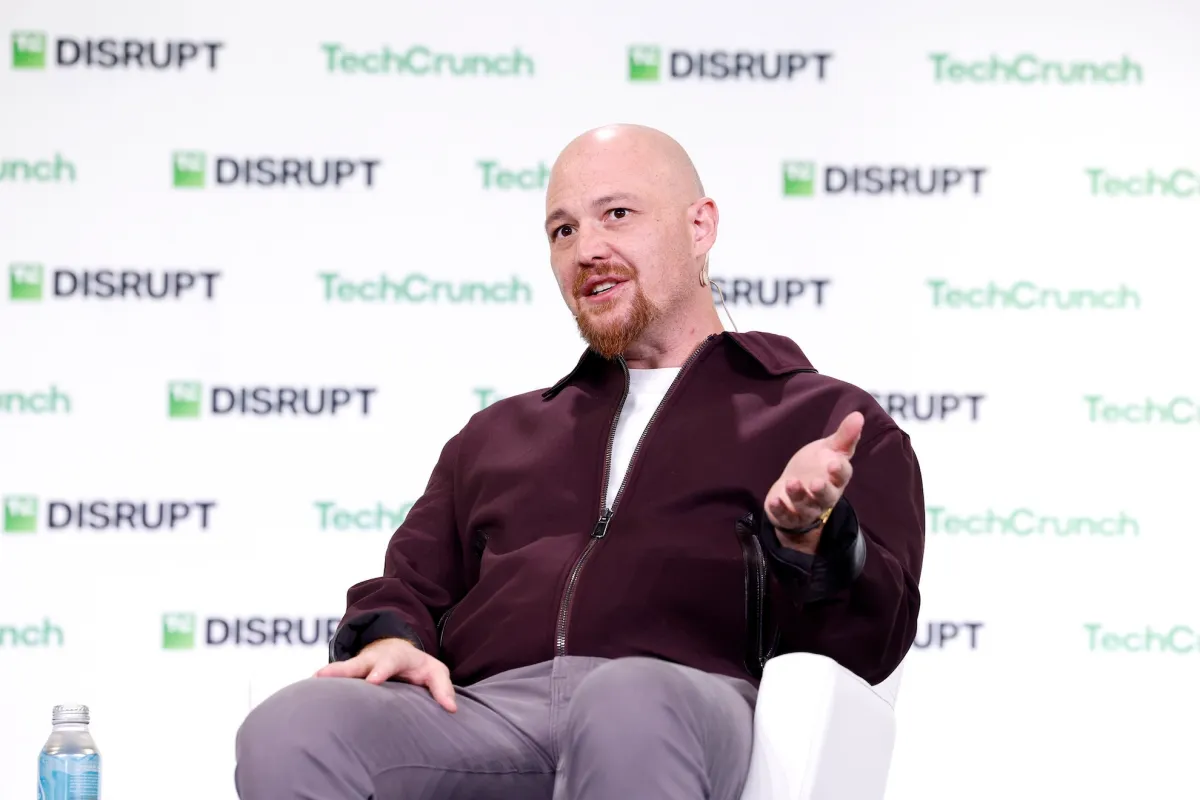
During an onstage appearance at TechCrunch Disrupt, Replit co-founder and chief executive officer Amjad Masad revealed that the cloud development platform is no longer collaborating with AI research company Anthropic. The decision marks a notable strategic pivot for Replit, which had previously integrated Anthropic's Claude family of models to drive its coding features and fuel significant commercial growth. According to Masad, the shift away from Anthropic came down to multiple factors, specifically pricing, ongoing partnership terms, and comparative benchmark performance.
The announcement follows Replit's official partnership with OpenAI announced in August, an agreement that gave no initial public indication of an Anthropic departure. Speaking on stage, Masad explained, “I think ChatGPT is better now,” noting that the company monitors quality using both internal benchmarks and published metrics. Masad highlighted that “consistently, Sol and Astra perform better on building vibe-coded applications from scratch,” adding that the decision reflected a combination of cost considerations and model efficacy that made OpenAI a better partner for Replit's current needs.
Conflicting accounts regarding model integration
Despite Masad's public statement that Replit is no longer working with Anthropic, individuals familiar with the relationship have pushed back on that claim. One unnamed person familiar with the matter stated that the partnership between Anthropic and Replit remains in place. Furthermore, recent documentation indicates that Anthropic's tools were active in Replit's architecture as late as September.
A September company blog post specifically identified Anthropic’s Claude Fable 5 and Claude Fable 5.1 models as active components within Replit Agent's production environment. Replit's core browser-based software development platform, which enables developers to build and deploy software applications directly from the web, previously leaned heavily on Claude to power these workflows. While clarification on the exact status of the relationship remains pending, the conflicting perspectives underscore how fluid vendor dynamics can be in the competitive generative AI market.
Enterprise expansion and the need for agent habitats
Alongside his remarks on foundation model vendors, Masad shared updates on Replit’s revenue trajectory and enterprise adoption. While the company did not disclose exact annual recurring revenue numbers, Masad pointed out that enterprise deals accounted for approximately 2% of Replit's revenue last year, compared to roughly 15% this year. Masad also noted that business-to-business contracts now generate more than 50% of the company's total revenue.
To satisfy this growing corporate audience, Masad emphasized the critical importance of AI safety, sandboxing, and infrastructure. He compared digital systems to workplace requirements, stating: “In the same way that us humans need a certain environment to work — you need a nice office, maybe nice good food in the office, air conditioning, computer — agents need a habitat for them to exist and do good work.” According to Masad, an effective habitat requires robust orchestration, dependable error recovery, sandboxing, security, networking, and identity authorization before autonomous agents can be deployed safely into enterprise software stacks.
What it means for developers
For developers who build software with AI coding assistants, Replit's shifting alliance demonstrates the operational realities of foundation model procurement. Fast-paced competition means platforms regularly evaluate providers based on token economics, raw coding benchmarks, and enterprise commercial terms. When platform vendors switch underlying model providers, developers may encounter changes in response speed, syntax suggestions, and overall reasoning behavior.
The situation also highlights the danger of relying on a single vendor or closed ecosystem. As platforms switch backend partners, developers building on specific foundation models need flexibility across different model architectures. For teams looking to benchmark and deploy multiple systems without platform friction, developers can try top AI models cheaply through one API at https://apixoai.online, allowing them to test Claude, OpenAI, and other top-tier models side by side.
Ultimately, Masad's observations demonstrate that software development is shifting toward autonomous agent habitats where security, sandbox isolation, and cost-efficiency outweigh brand loyalty. Developers building agentic applications must design flexible architectures that can absorb changes whenever underlying model providers and developer platforms alter their commercial relationships.
Source: Replit is no longer working with Anthropic, CEO says — TechCrunch AI. Written by the Apixo team from that report.
One key for Claude, GPT, GLM, DeepSeek and more. Pay per token with crypto.
Get your API key