Research Links Banned Nvidia Blackwell GPUs to Top Chinese AI Models
Technical analysis reveals Chinese AI models from DeepSeek and Moonshot were trained on export-banned Nvidia Blackwell chips, amid leadership changes at Nvidia.
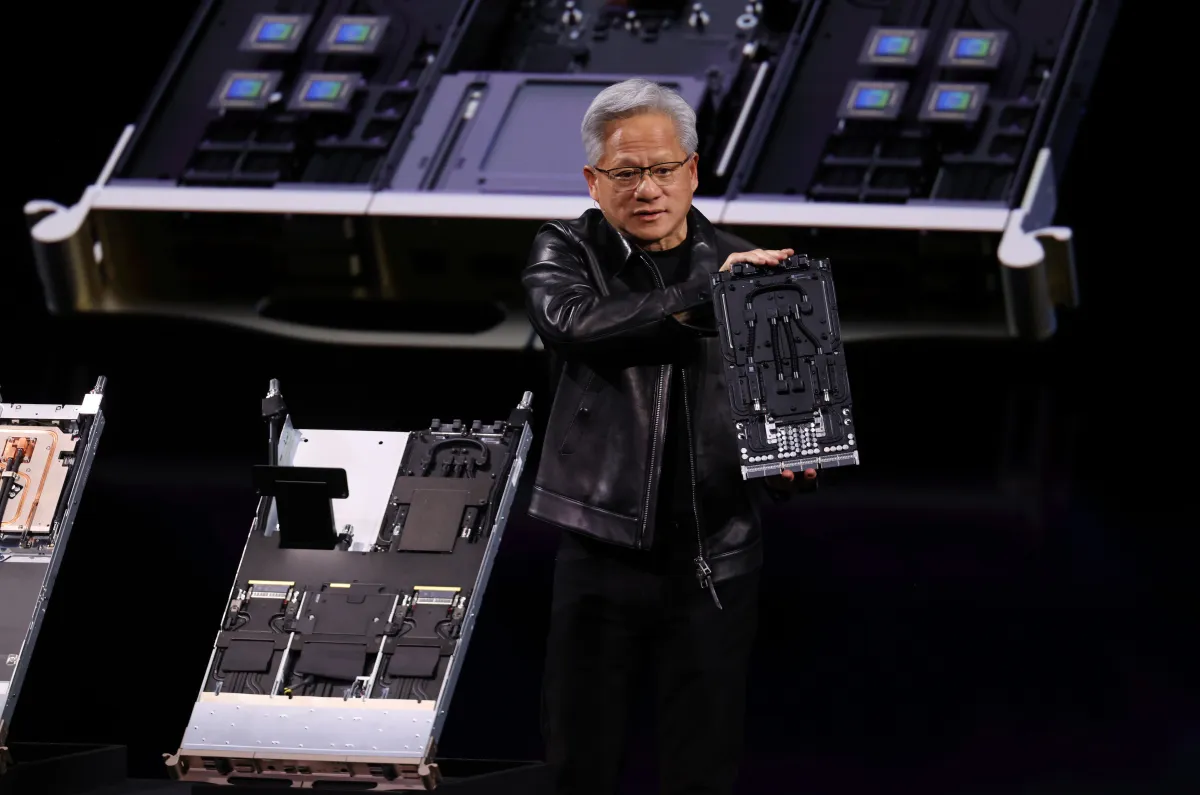
Fresh analysis of open-weight artificial intelligence models released by Chinese companies indicates that leading systems were trained using Nvidia's Blackwell processors, despite strict US export restrictions designed to prevent their shipment to China. The revelations arrive alongside leadership upheaval at Nvidia, where chief executive Jensen Huang stepped down this week after acknowledging an affair with Alice Huang, an executive at Megaspeed—a firm under scrutiny for allegedly smuggling restricted chips into China.
The findings were uncovered by Will DePue, a former OpenAI researcher who directs the nonprofit research group Unemployment Labs. By examining the weights and architectural signatures of publicly available models from organizations including DeepSeek, Moonshot AI, MiniMax, and Ant Group, DePue found direct indications that hardware like Blackwell GPUs powered their training. In particular, DeepSeek's V4 models and Moonshot's Kimi K3 releases displayed structural characteristics tied to Blackwell configurations. The technical analysis reinforces statements made earlier this year by White House technology adviser Michael Kratsios, who cited intelligence reports indicating Moonshot had accessed export-restricted Nvidia hardware.
Evidence from Model Weights and Offshore Rerouting
Estimates from research group Epoch AI suggest that roughly two million high-end chips reached China across 2024 and 2025 through diversion routes structured to obscure destinations. While direct export of Blackwell hardware to Chinese entities is prohibited, offshore data centers have served as a common workaround. For example, Epoch estimates that 275,000 Nvidia accelerators entered Malaysia during that same two-year span, providing regional computing access without physically placing hardware inside China.
This pattern has drawn criticism from policy analysts who argue that current rules leave significant loopholes. Sam Bresnick, a researcher at the Georgetown Center for Security and Emerging Technology, highlighted the contradiction: “If we care about the U.S. tech edge, it doesn’t make any sense to me that you would not allow Chinese companies to access chips in mainland China or Hong Kong and Macau, but then say, actually, if you just go over to Malaysia, you can do whatever you want.”
Megaspeed, led by Alice Huang, and its subsidiary Speedmatrix have been focal points of investigations by both American and Singaporean authorities. In addition, reporting from Bloomberg revealed that an entity associated with Alice Huang helped route prohibited Nvidia hardware to a data facility in Shanghai.
Leadership Upheaval and Regulatory Scrutiny
Jensen Huang’s departure followed his admission of relationships with two employees as well as Alice Huang, who has also been accused of ties to Chinese intelligence services. Beyond the personal relationships, potential corporate liability regarding export control violations factored into Nvidia's decision. Both the company and Huang had previously defended Megaspeed, stating Nvidia staff had inspected its locations to confirm compliance.
Government oversight is also facing pressure. Secretary of Commerce Howard Lutnick could reportedly face dismissal following allegations that export control licensing officials maintained overly familiar ties with Nvidia leadership and overlooked suspicious buyers.
Meanwhile, supply channels remain complicated. An estimated 600,000 H200 accelerators—models permitted under rules that mandate indirect delivery routes and a 25% tariff—remain held in Hong Kong. While short-seller Culper argued earlier this year that domestic chip substitution within China poses a long-term threat to Nvidia's revenue, Stanford technology policy scholar Graham Webster expressed skepticism that holding back these stockpiled chips is aimed at fostering local Chinese production, pointing instead toward potential trade negotiations or security reviews.
What it means for developers
For engineering teams, the research demonstrates that leading open-weight releases from laboratories like DeepSeek and Moonshot continue to benefit from state-of-the-art compute, matching the performance profiles of models developed on premier Western infrastructure. Developers looking to benchmark and deploy these high-performance models alongside other industry standards can try top AI models cheaply through one API at https://apixoai.online.
At the same time, the research by DePue underscores that hardware footprints remain visible within model weights long after training concludes. As regulators scrutinize computing supply chains and third-party data centers, software teams building on international open-weight architectures should monitor how evolving export enforcement could influence future model releases, downstream compliance, and international infrastructure access.
Source: Export-banned Nvidia chips are behind China’s most powerful AI models—uh oh, Jensen! — TechCrunch AI. Written by the Apixo team from that report.
One key for Claude, GPT, GLM, DeepSeek and more. Pay per token with crypto.
Get your API key