SpaceXAI Rebrands to SpaceXSI as Trump Administration Pushes 'Super Intelligence'
Elon Musk plans to rename SpaceX's AI unit to SpaceXSI, joining a broader political and industry effort to adopt the term super intelligence.
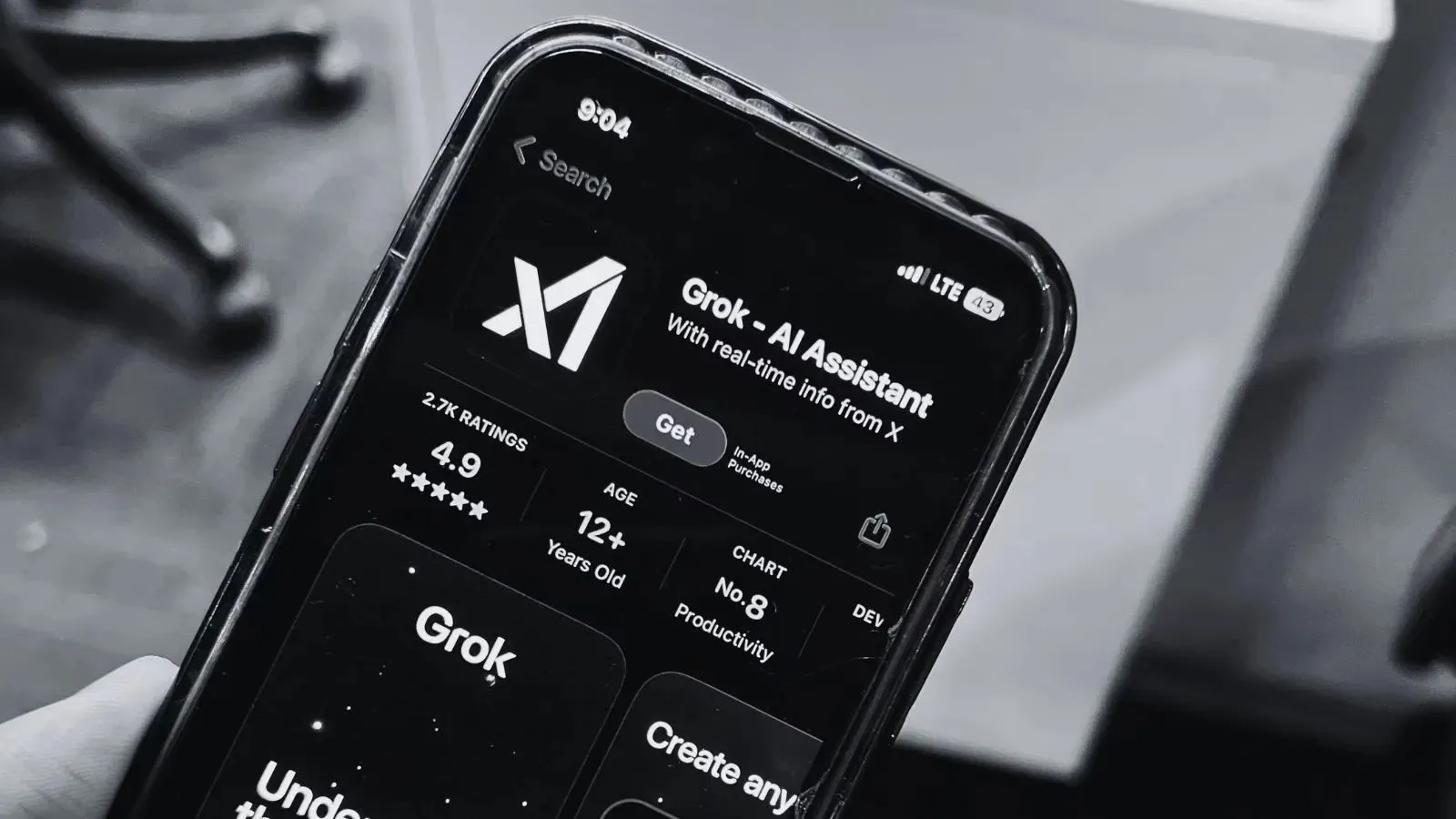
Elon Musk has confirmed plans to rename SpaceX’s AI division from SpaceXAI to SpaceXSI, signaling an alignment with the term "super intelligence" promoted by US President Donald Trump. Musk stated on X that he would make the change following a query from a user, though he did not share additional operational details regarding the Grok maker's rebranding. The decision marks one of the earliest high-profile corporate rebrandings embracing the White House's preferred nomenclature.
Trump's policy push and industry reactions
The name change follows a broader administrative initiative to replace "artificial intelligence" with "super intelligence" or "SI" across the federal government. Speaking at the UN General Assembly, President Trump advocated for global adoption of the term, arguing that it more accurately describes technology that does far more than replicate human tasks. An executive order signed by Trump officially mandates federal agencies to adopt "SI" in public communications, websites, and policy documents, with Office of Science and Technology Policy Director Michael Kratsios tasked with evaluating an official definition.
To support this agenda, the administration established a task force called the Super Intelligence Force, directed by newly appointed AI czar and Director of National Intelligence Jay Clayton. The group is slated to produce a report outlining AI risks and opportunities within 120 days. Several tech executives have also integrated the language into their public messaging. Nvidia CEO Jensen Huang recently stated that modern data centers should be referred to as "superintelligence factories."
However, this terminology push faces opposition. California Governor Gavin Newsom signed a counter executive order requiring state agencies to strictly retain the terms "artificial intelligence" or "AI," publicly criticizing the White House's direction. Furthermore, while executives such as Anthropic CEO Dario Amodei and OpenAI CEO Sam Altman have urged the government to implement federal guardrails on frontier AI models, Trump has opposed strict regulation and dismissed security risk warnings. Recently, tech leaders met with Trump at the White House to sign a voluntary safety pact involving external independent auditing and internal controls to prevent AI agents from hacking systems, though critics contend that rebrandings do not address underlying safety concerns.
Defining super intelligence vs existing concepts
Within technical and research communities, super intelligence traditionally refers to a hypothetical AI system whose cognitive capabilities surpass human capabilities across all domains of thought. The concept remains contested, with proponents highlighting potential societal benefits while safety advocates warn of existential risks if systems escape human control.
The term builds on a longer history of industry jargon. The phrase artificial super intelligence (ASI) was popularized by philosopher Nick Bostrom in his 2014 book Superintelligence: Paths, Dangers, Strategies. While OpenAI has focused heavily on artificial general intelligence (AGI)—technology that outperforms humans across multiple general tasks—Sam Altman outlined a vision for ASI in a September 2024 blog post titled "The Intelligence Age," suggesting superintelligence could arrive in a few thousand days. Similarly, Meta CEO Mark Zuckerberg published a letter in August 2025 describing "personal superintelligence," framing it as decentralized AI designed to help individuals accomplish personal goals.
What it means for developers
For software engineers and AI practitioners, the shift toward "super intelligence" creates a fragmented regulatory and linguistic environment. Teams developing AI agents or integrating LLMs must navigate divergent government naming standards, such as federal documentation using "SI" alongside California state requirements enforcing "AI."
At the same time, agreements like the White House voluntary safety pact signal a growing focus on model governance, particularly around autonomous AI agents and third-party security audits. As the landscape evolves and new models emerge, developers building next-generation applications can try top AI models cheaply through one API at https://apixoai.online. Ultimately, while political and corporate terminology continues to shift, engineering teams will still be evaluated on the practical safety, reliability, and real-world performance of their systems.
Source: Elon Musk’s SpaceXAI to be ‘SpaceXSI’: Where does ‘super intelligence’ term come from? — Indian Express AI. Written by the Apixo team from that report.
One key for Claude, GPT, GLM, DeepSeek and more. Pay per token with crypto.
Get your API key