Tech Leaders Push Back Against Jensen Huang Ouster Amid Unverified Allegations
Over 185,000 industry figures and executives are questioning Jensen Huang's resignation from Nvidia, calling for his reinstatement amid unconfirmed espionage claims.
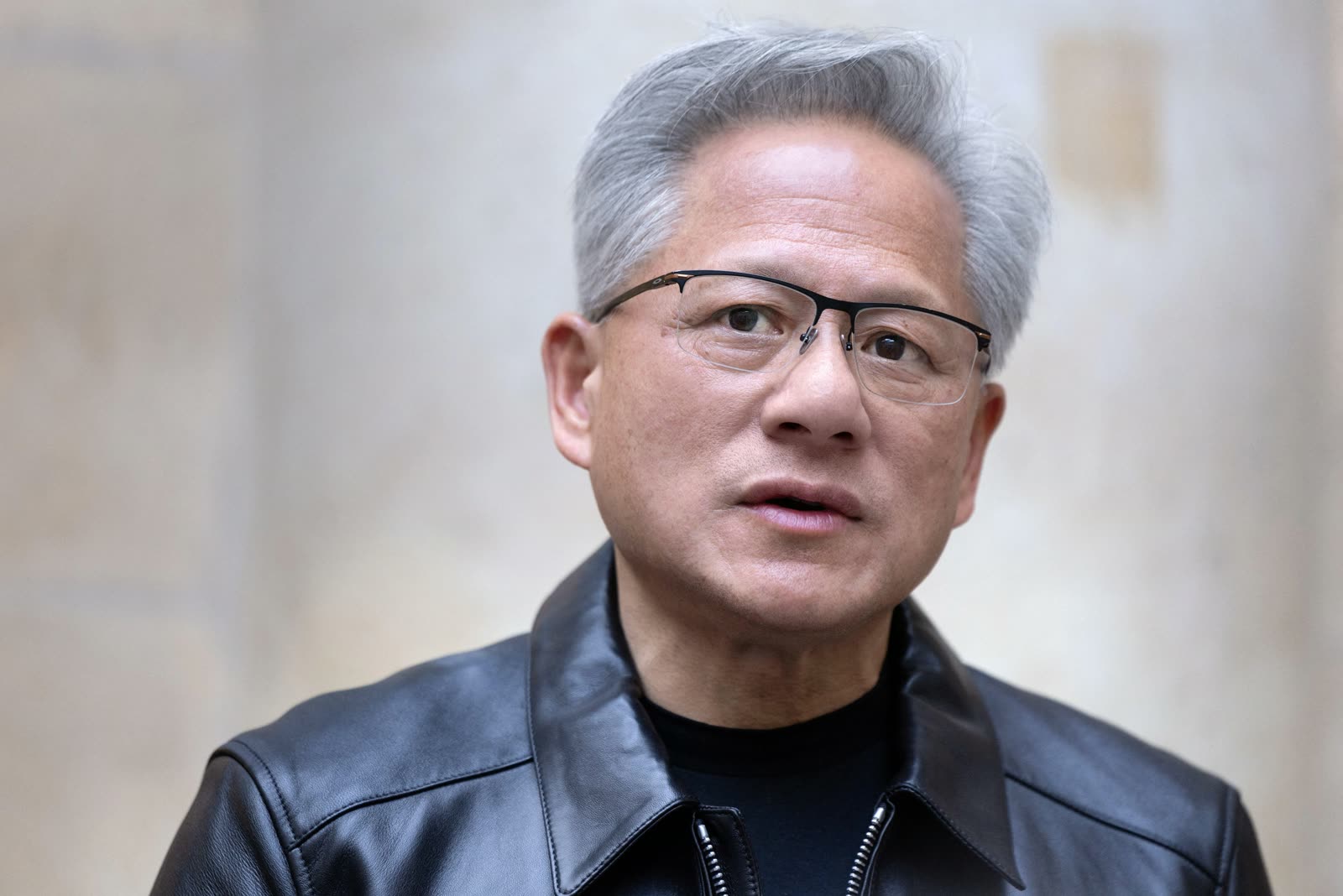
The sudden departure of Jensen Huang from Nvidia after more than 33 years at the helm has sparked substantial blowback across the technology sector. In the wake of his resignation, a growing cohort of venture capitalists, founders, and industry executives are casting doubt on the allegations that led to his exit, with many publicly demanding his reinstatement. At the heart of the controversy is a series of personal conduct allegations and national security claims that several prominent tech figures argue lack official verification.
Huang's resignation followed reports from The New York Times alleging an affair with Alice Huang, a former executive at Singapore-based Megaspeed, who was described in the reporting as a Chinese spy. The controversy expanded to include reported affairs with two Nvidia employees, including a direct report, alongside questions about whether Nvidia hardware was diverted to China in violation of trade bans. Nvidia had intervened in a chip-smuggling investigation involving Megaspeed the prior year, according to Bloomberg. However, United States government agencies have not confirmed that Alice Huang was an espionage agent, and President Donald Trump stated he was unaware of any such espionage claims.
Silicon Valley pushes back against the narrative
The lack of formal confirmation from intelligence agencies has fueled skepticism among prominent voices in Silicon Valley. David Sacks, a venture capitalist and former White House AI and crypto advisor, pointed to reporting from CNN indicating that US officials have yet to substantiate the espionage claims. "The spy narrative is collapsing already," Sacks posted on X, later remarking at Semafor's Silicon Valley & The World conference that Huang lost his position over unverified accusations.
Epic Games CEO Tim Sweeney also criticized the sequence of events, questioning whether unverified rumors pushed Nvidia's board into removing its founder. "What?! So journalists with sketchy motives portrayed rumors from god-knows-who (lobbyists?) as facts sourced from intelligence officials and gaslit the NVIDIA board to push out the founder, CEO, and once-in-generation visionary?" Sweeney stated.
More than 185,000 people have signed an open "Stand with Jensen" petition seeking his return to Nvidia. The petition has drawn support from high-profile figures including Elon Musk, Uber co-founder Travis Kalanick, Y Combinator CEO Garry Tan, and Shopify CEO Tobias Lütke, alongside Sweeney and Replit CEO Amjad Masad. In their statement, signatories argued that "suspicion or association alone is not a sufficient basis for ending Jensen’s leadership" and demanded an inquiry focused on verifiable facts.
Geopolitics, export controls, and AI architecture
Beyond personal allegations, industry analysts and founders are scrutinizing the policy ramifications of Huang's departure. SemiAnalysis, a semiconductor research firm, suggested Huang's removal might weaken resistance to aggressive export controls, specifically pointing to the Remote Access Security Act (RASA). Huang had opposed the bill, which aims to bar foreign entities in restricted jurisdictions from renting Nvidia-powered cloud computing resources. The Department of Commerce released an interim final rule on Monday in an attempt to address this loophole.
Meanwhile, Amjad Masad pointed to ideological stakes in the broader AI ecosystem, noting that Huang was viewed as a major advocate for open-source AI models. Masad described the timing of the resignation as "suspicious," warning that Huang's removal could advantage entities seeking a more centralized and closed artificial intelligence market.
What it means for developers
For software engineers and AI practitioners, Nvidia's leadership crisis highlights the deep entanglement between hardware governance, geopolitics, and developer tooling. Jensen Huang was widely recognized as a champion of open model development. If regulatory and corporate priorities shift toward tighter restrictions—such as the Commerce Department's interim final rule regarding remote cloud compute and the proposed RASA legislation—access to cutting-edge AI infrastructure could face stricter compliance hurdles.
Additionally, if corporate shifts at Nvidia alter support for open-source model ecosystems, as Masad cautioned, developers may need to maintain more agile, multi-model architectures rather than depending on a single hardware or software pipeline. Teams testing diverse model families can try top AI models cheaply through one API at https://apixoai.online, ensuring applications remain resilient against fluctuating ecosystem dynamics and access restrictions.
As industry figures continue to press Nvidia's board for transparency and an independent inquiry, developers and enterprises alike must navigate an AI landscape shaped as much by regulatory battles as by technological breakthroughs.
Source: Tech leaders are convinced that Jensen Huang’s exit was a plot against him — The Verge AI. Written by the Apixo team from that report.
One key for Claude, GPT, GLM, DeepSeek and more. Pay per token with crypto.
Get your API key