United Airlines Blocks AI Assistants From Finalizing Flight Bookings
United Airlines will not allow personal AI agents to complete ticket purchases, citing privacy risks, regulatory obligations, and worries over creating new middlemen.
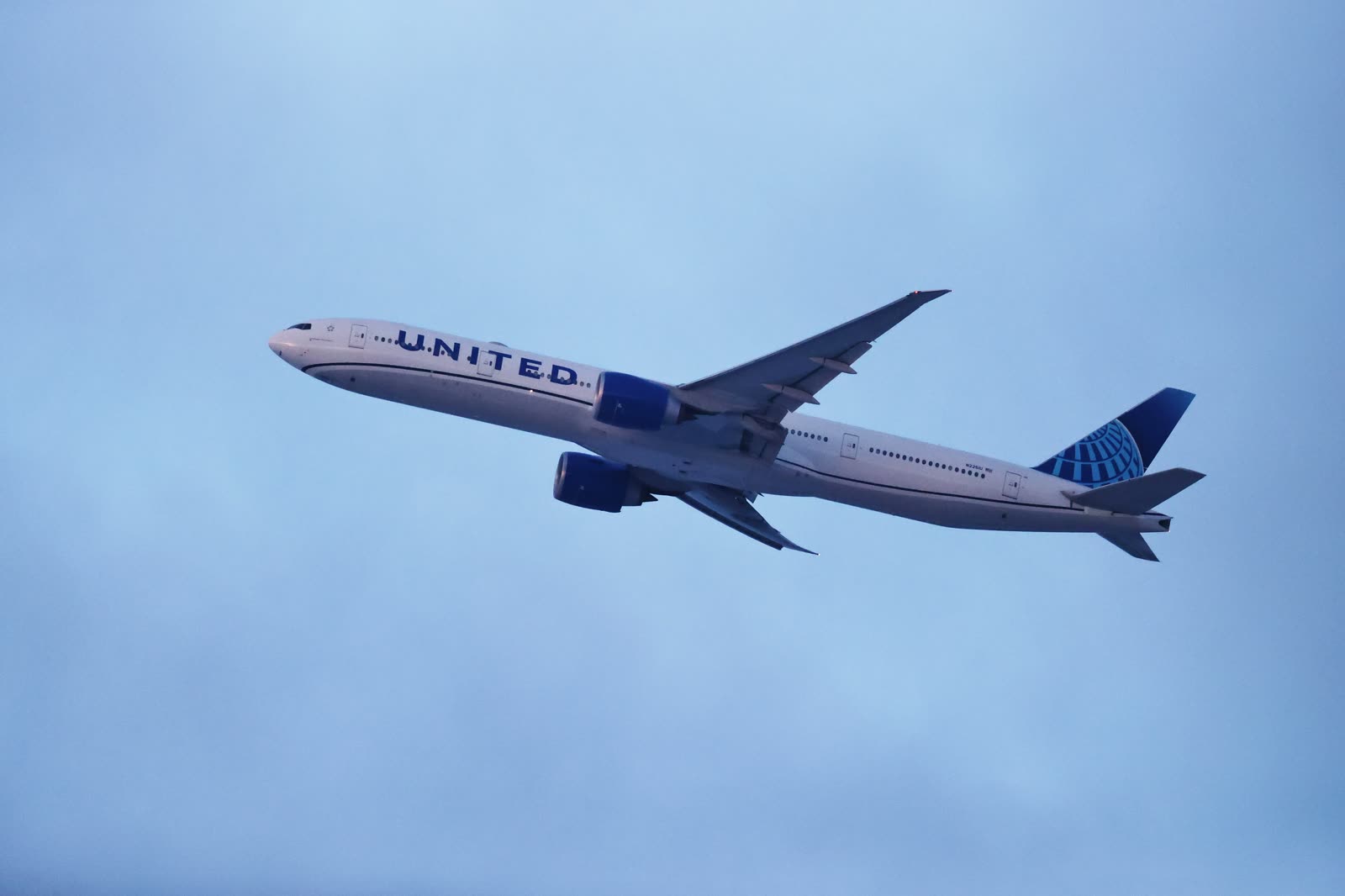
United Airlines has announced that it will not permit personal artificial intelligence agents to complete ticket purchases on behalf of travelers. While AI assistants can still browse and display flight options from the carrier, United is stopping them from completing the final checkout phase.
The carrier’s stance highlights the friction emerging as generative AI shifts from simply answering questions to executing real-world commercial actions. Even though United notes that few travelers have attempted to purchase tickets using AI tools so far, the company is preemptively moving to restrict autonomous checkout workflows.
Safety, Compliance, and the Middleman Problem
United cited several motivations for disallowing automated purchasing. Chief among them are customer privacy concerns and the possibility that an autonomous agent might initiate unauthorized or unintended credit card transactions.
Beyond basic consumer protection, the airline also points to strict regulatory requirements. Under federal rules, commercial airlines must present specific disclosures and secure direct confirmations from passengers during checkout. For example, customers are required to attest that their baggage does not contain hazardous materials, such as explosives. When an autonomous system bypasses the customer-facing interface, airlines risk failing to meet these statutory mandates.
Business strategy also plays a central role in the decision. During a recent industry event, United CEO Scott Kirby was frank about his reluctance to allow external AI platforms to position themselves between the airline and its passenger base. "To be honest, I don’t want to create another middleman," Kirby said, according to a report from The Wall Street Journal.
A Broader Pushback Against Autonomous Web Agents
United is not the only company experiencing limited consumer usage while concurrently preparing defenses against automated software agents. Similar observations have surfaced at DoorDash, where automated order placement remains minimal.
At the same time, defensive actions across other major online sectors are steadily multiplying. Platforms such as eBay have taken technical measures to block automated agents from browsing site listings. In the financial sector, multiple major banks have likewise enforced restrictions to prevent automated agents from accessing customer accounts or completing transactions.
These combined countermeasures present clear headwinds for emerging personal AI assistants designed for transactional workflows, including systems like Meta’s Muse and OpenAI’s Dots. If companies continue to shut out automated buyers, the real-world utility of these agentic tools could be significantly constrained.
What it means for developers
For engineering teams building autonomous assistants, United's policy illustrates that commercial deployment is not solely an engineering problem. While large language models are increasingly capable of parsing HTML, filling forms, and navigating complex checkout funnels, non-technical barriers like federal regulatory mandates and commercial gatekeeping can halt an agentic workflow entirely.
Developers designing shopping and travel agents should anticipate that "headless" purchasing across third-party consumer websites will face persistent blocking. Instead of attempting full end-to-end automation, applications may need to hand off the final confirmation screen to the end user. This human-in-the-loop setup ensures that required legal attestations, such as baggage safety declarations, are legally binding and personally accepted by the traveler.
Teams building these experiences also need to experiment across different foundational models to determine how well systems handle structured tool calling, regulatory disclaimers, and handoff protocols. For developers evaluating models like Claude, GPT, Gemini, and DeepSeek, platforms like Apixo allow you to test and deploy leading AI models cheaply through a single unified API.
Potential for Future Reversal
Despite the current restriction, United has left the door open for automated bookings in the future. The company noted that it recognizes the opportunities provided by advancing third-party AI agents.
However, United stated that allowing external agents to interact directly with bookings and user accounts involves sensitive actions that require established traveler protections first. Until those security frameworks and verified compliance protocols are standardized, the airline's checkout counter will remain closed to artificial intelligence.
Source: United won’t let your AI agent book your flight — The Verge AI. Written by the Apixo team from that report.
One key for Claude, GPT, GLM, DeepSeek and more. Pay per token with crypto.
Get your API key