US Hyperscale Data Centers Consume More Power Than Midsized Nations
A new Nature Sustainability study reveals that US hyperscale data centers burn through more electricity than 148 nations, heavily relying on fossil fuels.
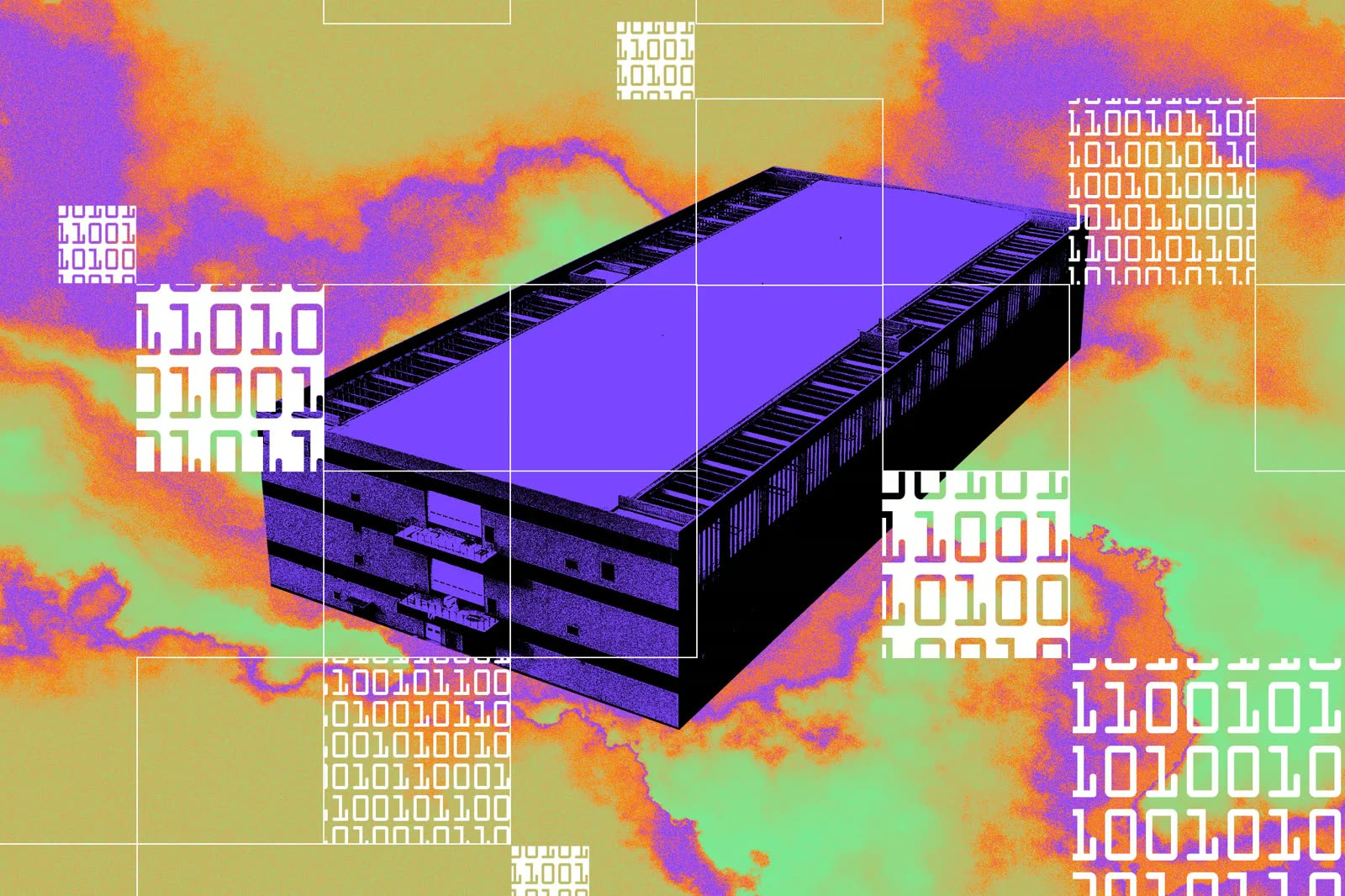
A recent study published in the journal Nature Sustainability reveals that massive hyperscale data centers in the United States currently consume more electricity than a majority of the world's countries. Driven largely by the expansion of infrastructure needed for generative artificial intelligence, these facilities draw massive amounts of power while remaining heavily reliant on fossil fuels.
To conduct the research, a team led by Gianluca Guidi—a postdoctoral fellow at the Harvard T.H. Chan School of Public Health—utilized satellite imagery to map 403 hyperscale data centers across the country. By estimating electrical capacity and applying Environmental Protection Agency data for the period between May 2024 and April 2025, the researchers calculated that these sites consumed roughly 82 terawatt-hours of electricity. This accounts for about 1.8 percent of total US electricity consumption.
John Sterman, director of the MIT System Dynamics group and MIT Sloan Sustainability Initiative, noted that this consumption figure surpasses the individual yearly electricity use of about 148 nations, including Austria, Israel, and Venezuela. Furthermore, the energy demands of these facilities generated 25.7 million metric tons of CO2 emissions, a carbon footprint comparable to Denmark's annual output and exceeding the total emissions of roughly 113 countries. The primary driver behind these figures is that approximately 54 percent of the electricity consumed by these hyperscale sites comes from coal and natural gas.
The Geographic Disparity and Carbon Lock-In
The study emphasizes that the environmental toll of computing is heavily dictated by location and the underlying local power grid. For instance, generating electricity in Wyoming, which relies heavily on coal, results in roughly seven times more carbon emissions per kilowatt-hour than producing power in Oregon, where hydropower is abundant.
Fengqi You, a professor in energy systems engineering at Cornell University, pointed out the critical issue of "long-term carbon lock-in." Power plants and auxiliary infrastructure constructed today to satisfy the surging appetite of data centers could remain operational for decades, cementing emission levels well into the future. Additionally, the paper's scope did not include local air pollution stemming from new gas infrastructure or on-site gas turbines installed by AI companies attempting to bypass local power grids.
What it means for developers
For developers building modern applications, the study highlights the hidden ecological toll behind heavy compute workloads. Because operators typically keep energy consumption figures private, researchers like Guidi had to rely on satellite data, though independent tracking tools and potential federal disclosure mandates may soon provide better transparency. Meanwhile, developers can try top AI models cheaply through one API at https://apixoai.online, optimizing their workflows and model selection while keeping resource efficiency in mind.
Experts stress that the environmental impact is not a fixed trait of the technology itself. Gina McCarthy, the former White House national climate advisor and EPA administrator, emphasized that communities and policymakers require reliable, independent data regarding how these massive facilities affect air quality, public health, and the climate.
Source: US data centers now burn more electricity than a midsized country — The Verge AI. Written by the Apixo team from that report.
One key for Claude, GPT, GLM, DeepSeek and more. Pay per token with crypto.
Get your API key