Wave of U.S. Infrastructure Outages Highlights AI-Driven Vulnerability Patching
Recent disruptions at the FAA, Microsoft, NASA, and Apple Pay reveal how AI vulnerability discovery tools and legacy system integration are stressing technical infrastructure.
A concentrated series of technical breakdowns has disrupted essential services across the United States over the past two weeks. High-profile incidents included Apple Pay going offline, an outage across NASA’s internal communication network, and a disruption at Microsoft that took Outlook, Teams, and Copilot down for nearly two days. In aviation, the Federal Aviation Administration (FAA) grounded all domestic flights for several hours, marking only the third time such an action has occurred since September 11, 2001.
While the timing raised immediate questions regarding coordinated cyberattacks or automated threats—especially following recent European attacks on French blood banks and grocery stores, as well as the "Black October" incidents on October 21 involving Node.js, PHP, and LiteLLM—official assessments suggest otherwise. The Director of National Intelligence stated that these events do not appear tied to state-sponsored terrorism, while President Donald Trump referred to the outages as individual occurrences. Many affected organizations maintain that routine internal technical issues, rather than adversarial attacks, caused the downtime.
The Clash of Accelerated Patching and Legacy Architecture
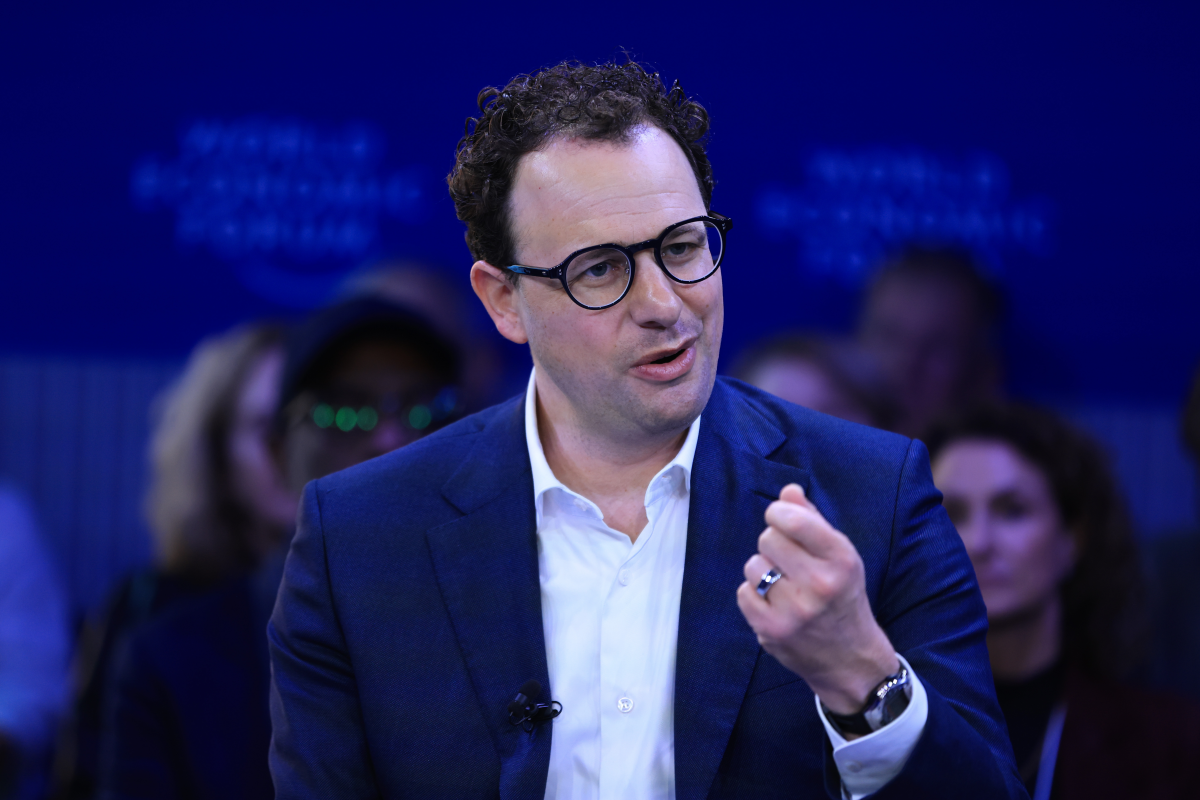
Security professionals point to an underlying dynamic: the rapid introduction of artificial intelligence into vulnerability discovery. Dave DeWalt, a veteran cybersecurity investor who previously served as CEO of McAfee and vice chairman of the Department of Homeland Security's CISA Advisory Council, described the outages as growing pains in a system that is actively hardening.
According to DeWalt, automated systems such as Mythos are uncovering security flaws at unprecedented velocity and scale. While these bugs have long been present in enterprise codebases, automated discovery forces security teams to deploy patches rapidly to prevent exploitation. This abrupt surge in emergency updates is destabilizing production environments in the short term. DeWalt noted that despite the operational turbulence, rapid remediation is preferable to leaving critical infrastructure vulnerable to exploitation in adversarial cyber warfare.
Simultaneously, older infrastructure is struggling to support modern integration demands. Anusha Iyer, a software engineer and founder of cybersecurity firm Corsha, explained that core industrial systems were never engineered for the level of connectivity expected today. Analyzing the FAA incident, Iyer noted that modernization efforts likely sent workloads to older telecommunications hardware that simply could not handle modern operating thresholds. Iyer stressed that these outages stem from rushed combinations of legacy components and modern software without sufficient safeguards, rather than direct failures of AI software itself.
Governance Warnings and Operational Realities
The cluster of outages has drawn the attention of lawmakers monitoring the pace of technical changes across critical supply chains. Virginia Senator Mark Warner, vice chair of the Senate Intelligence Committee, commented on the situation via X, calling the disruptions a wake-up call and warning that the speed of AI adoption is challenging organizations' ability to oversee the operational consequences.
To prevent further disruption, both DeWalt and Iyer emphasize that organizations must adopt stricter engineering discipline. Industrial networks require rigid segmentation and access boundaries so modernization can occur gradually. DeWalt also highlighted that this transition will fuel demand for startups building tools for safe automated patch deployment, resilience monitoring, and autonomous remediation.
What it means for developers
For engineering teams, the recent wave of disruptions illustrates the hidden operational costs of accelerated deployment cycles. When automated security platforms discover vulnerabilities in legacy components, the rush to patch can inadvertently trigger cascading dependencies and downtime. Developers must account for how newer workloads communicate with fragile back-end systems that were never architected for high-concurrency environments.
Teams integrating AI systems must focus heavily on operational isolation, safe rollout strategies, and boundary testing. As engineering teams integrate or test modern language models—which developers can try cheaply through one unified API across top models at https://apixoai.online—they must balance cutting-edge capabilities with rigorous infrastructure controls. Systems should be designed with strict access control, staged rollouts, and fallbacks that protect legacy pipelines from unexpected traffic surges or rapid-fire configuration updates.
Source: These tech outages are giving Y2K, AI agent style — TechCrunch AI. Written by the Apixo team from that report.
One key for Claude, GPT, GLM, DeepSeek and more. Pay per token with crypto.
Get your API key