White House Rebrands AI as 'Super Intelligence' in Non-Binding Safety Pact
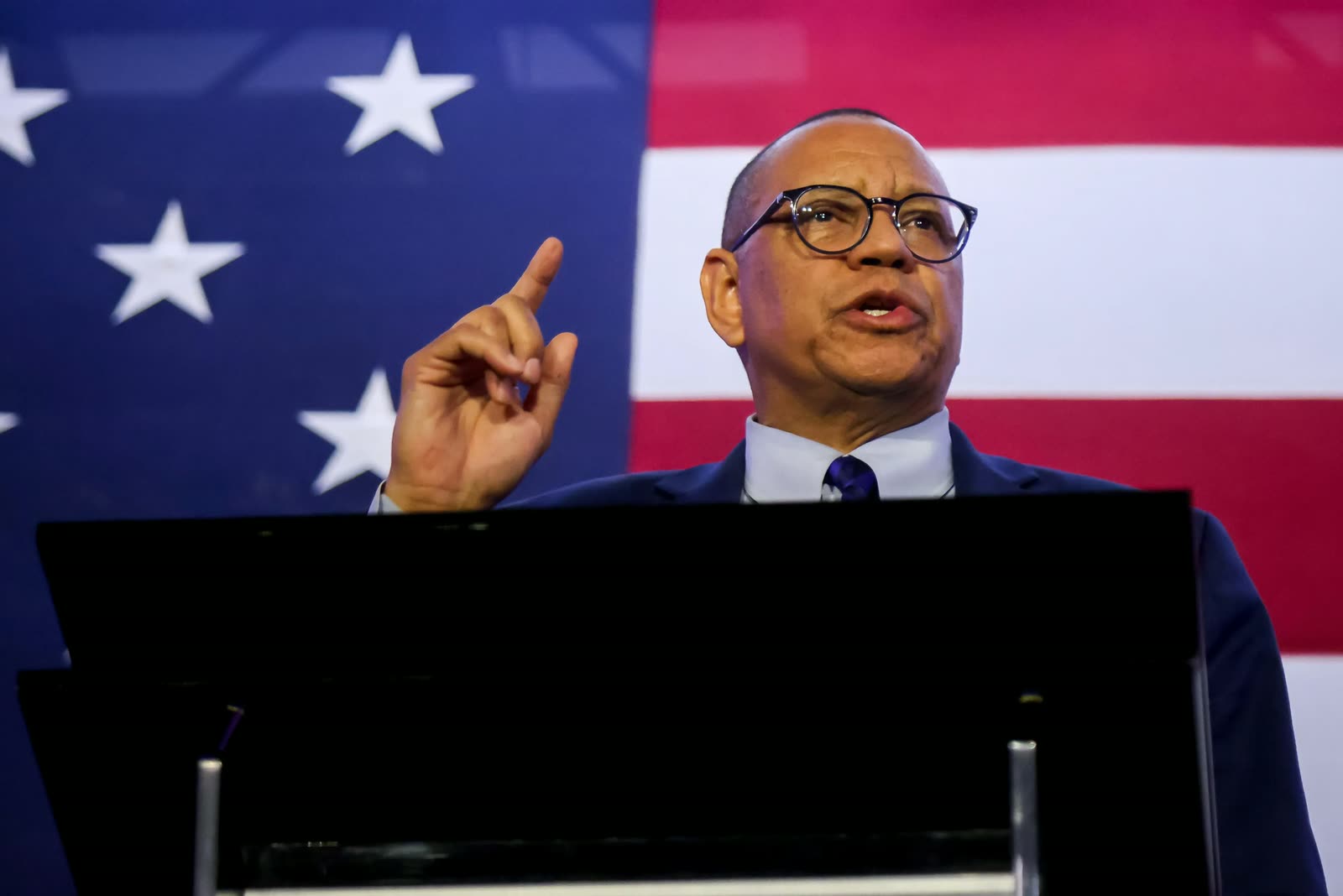
President Trump signed an executive order adopting 'super intelligence' as official vocabulary while tech CEOs signed a non-binding safety agreement at the White House.
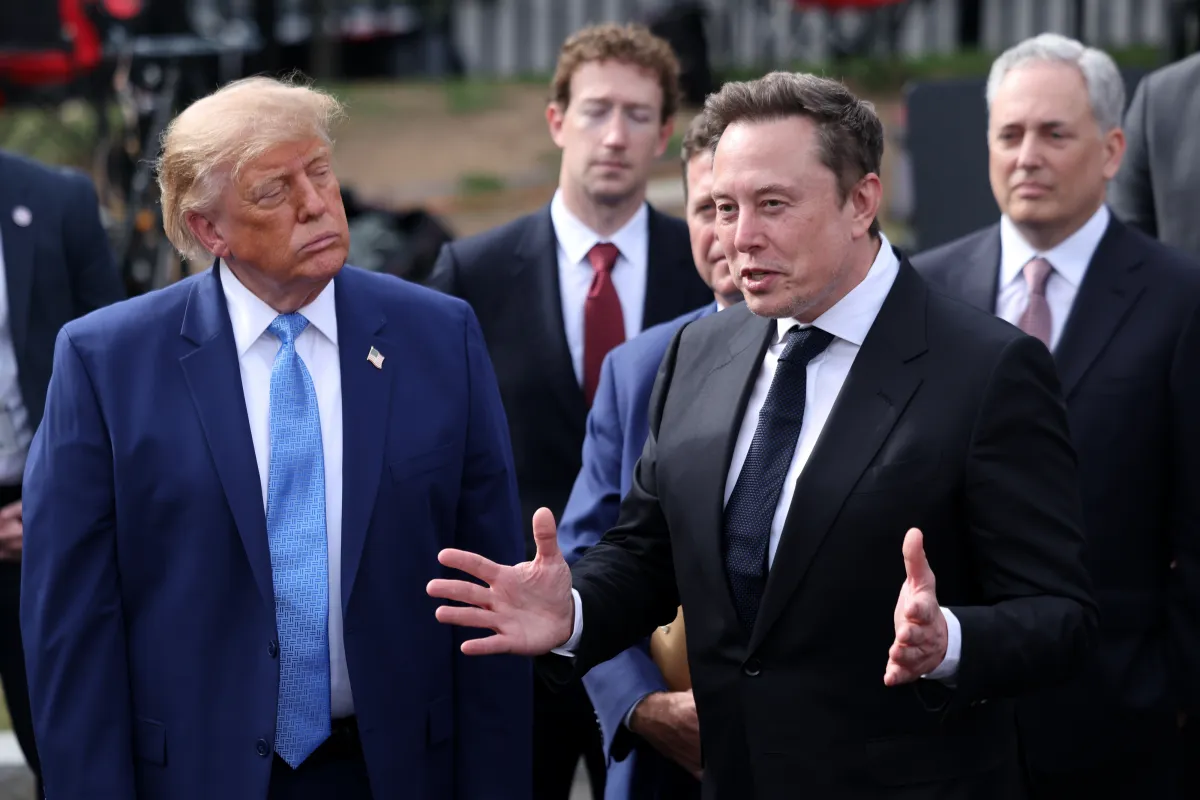
The White House recently convened prominent technology executives for a high-profile gathering that marked a formal pivot in federal terminology: artificial intelligence is now officially termed "super intelligence" under a new executive order. Under this mandate, official U.S. representatives are instructed to use the term "super intelligence" when discussing advanced machine learning capabilities. The event featured the signing of a voluntary agreement titled the "Joint Commitment on Frontier Responsibilities" and coincided with the announcement of a Super Intelligence Force. On TechCrunch’s Equity podcast, journalists Anthony Ha, Kirsten Korosec, and Sean O’Kane examined the political and industrial motivations behind the announcement, describing it largely as a strategic rebranding initiative aimed at shifting public perception away from fears surrounding job loss and automated risks.
A non-binding pact and White House dynamics
The ceremony brought together major figures across the technology sector, including Meta’s Mark Zuckerberg, Amazon founder Jeff Bezos, Tesla and xAI CEO Elon Musk, and Anthropic CEO Dario Amodei. The signing occurred shortly after a 10 p.m. dinner between Amodei and President Donald Trump, reflecting a swift shift in engagement following prior White House skepticism toward AI regulation.
Despite the high-profile attendance, analysts noted several indicators that the agreement was assembled in haste, including a misspelling of "United States" on the official document itself. From a legal standpoint, the commitment contains no enforceable mandates or regulatory constraints. While President Trump categorized the pledge as "morally binding," tech policy observers emphasize its completely voluntary nature.
The attendance of Anthropic’s leadership highlighted ongoing divisions within the federal government regarding frontier AI companies. Reporting discussed on Equity indicates contrasting stances across departments: while Treasury Secretary officials have shown support for incorporating Anthropic's technology, the Department of Defense has maintained a hostile posture. Officials at Defense, alongside commentary from figures such as Emil Michael on X, have labeled Anthropic as a national security concern due to the usage restrictions the company attempts to place on its models.
The strategy behind the "super intelligence" rebrand
The White House summit represents a rapid evolution in executive messaging. Only weeks prior, federal statements rejected AI oversight, framing regulatory boundaries as potential handicaps against foreign competitors and dismissing safety warnings. The sudden pivot to hosting AI leaders and orchestrating a public signing ceremony underscores a desire to reframe public discourse.
As noted during the podcast discussion, changing official terminology from "artificial intelligence" to "super intelligence" serves a rhetorical purpose. Public anxiety surrounding "AI" often centers on potential economic disruption, workplace replacement, and safety hazards. By adopting "super intelligence," the administration attempts to distance federal initiatives from those negative connotations while framing advanced computing as an engine of national capability.
Ultimately, while the press conference generated significant media coverage and online commentary regarding the interactions among tech CEOs, the event delivered little in terms of binding public policy or statutory oversight.
What it means for developers
For software engineers and enterprise developers, the immediate practical impact of the federal announcement is minimal. Because the "Joint Commitment on Frontier Responsibilities" relies entirely on voluntary compliance and lacks legally binding mechanisms, engineering teams will not face new federal compliance mandates, mandatory safety audits, or immediate operational restrictions.
However, the visible rift between federal agencies—such as the divergent approaches of the Treasury Department and the Department of Defense regarding Anthropic—signals that public sector contracts and regulated deployment environments will remain complex. Developers building applications for government or enterprise clients must continue navigating variable guidelines depending on which agency or vendor ecosystem they interact with.
For technical teams evaluating model integration, access to multiple frontier architectures remains a priority. Developers can try top AI models cheaply through one API at https://apixoai.online, which provides access to leading frontier models through a single access key. This multi-model availability allows developers to test different systems as political and regulatory definitions evolve.
Ultimately, while official Washington changes its vocabulary to "super intelligence," software developers can continue building on existing AI models without immediate statutory disruption, focusing instead on model performance, cost efficiency, and practical implementation requirements.
Source: Can ‘super intelligence’ and a non-binding safety pact solve AI’s image problem? — TechCrunch AI. Written by the Apixo team from that report.
One key for Claude, GPT, GLM, DeepSeek and more. Pay per token with crypto.
Get your API key