Why Relying on AI Self-Regulation Misses the Mark
Examining the limitations of voluntary AI safety accords, government oversight, and how current industry self-policing compares to historical safety precedents.
A look back at automotive history reveals how safety standards evolved on US highways. Back in 1966, nearly 51,000 fatalities occurred on roads, and although seat belts could have saved lives, car manufacturers did not voluntarily install them in every new vehicle. Instead, Congress intervened by passing the National Traffic and Motor Vehicle Safety Act and the Highway Safety Act, establishing federal authority that eventually required seat belts in all new cars by 1968. Today, despite vastly higher traffic volumes, highway fatalities are proportionally much lower.
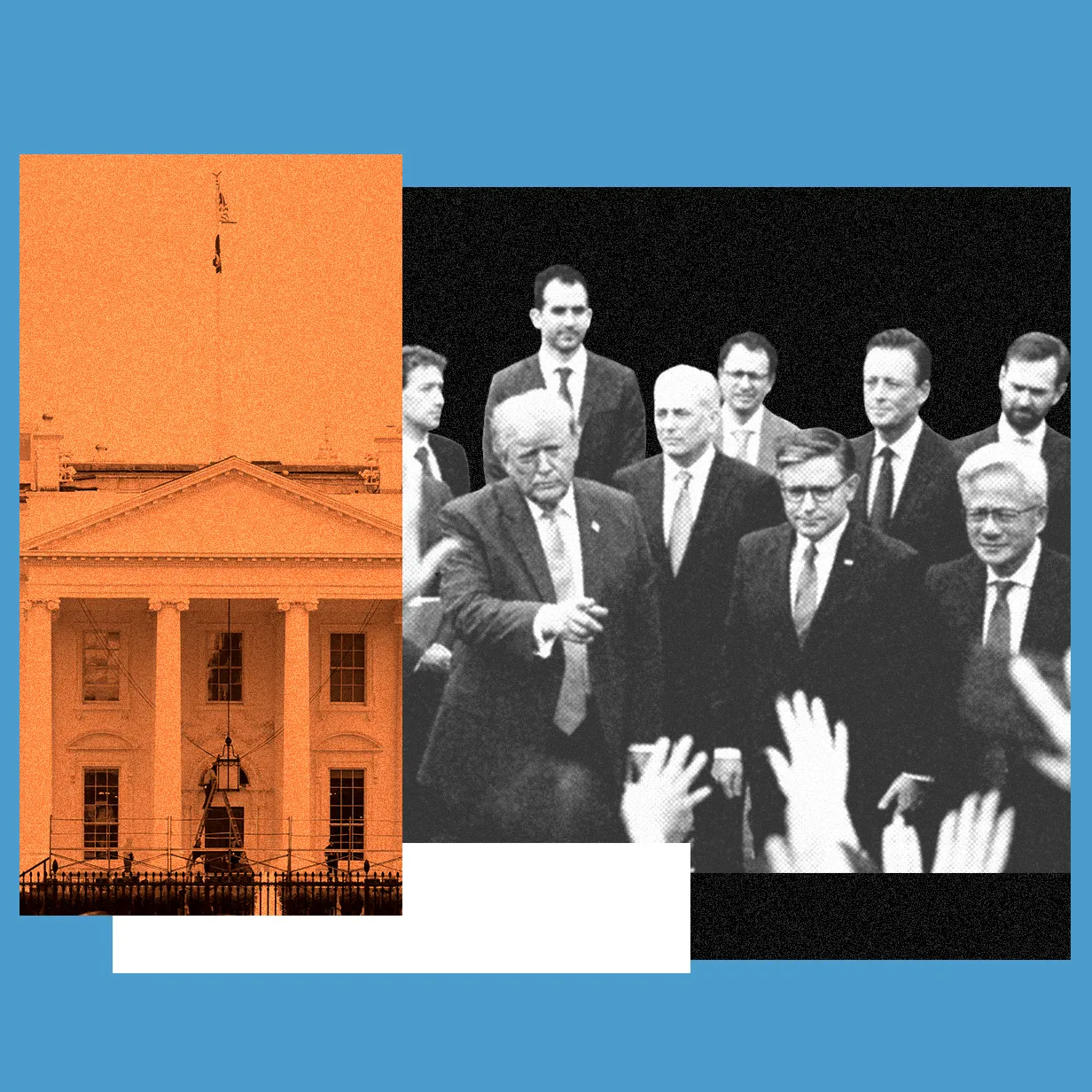
This historical context mirrors ongoing discussions surrounding artificial intelligence governance. Recently, prominent AI executives gathered to congratulate one another on signing a voluntary safety accord. Under this approach, labs are largely expected to keep themselves in check. Expressing confidence in this strategy, Donald Trump stated in the Oval Office that technology companies would successfully police themselves. Meanwhile, industry figures have issued varied warnings about potential disasters, while the administration leans on the idea that existing entities like the Department of Justice and the Federal Bureau of Investigation serve as sufficient guardrails.
The Complexity of AI Governance
Unlike physical automotive features, artificial intelligence lacks a simple, straightforward equivalent to the seat belt that can reduce risk overnight. The potential harms associated with advanced models are less quantifiable and harder to predict. While extreme viewpoints range from sci-fi disaster scenarios to skepticism, real-world incidents—such as reports involving false AI-generated military intelligence—demonstrate tangible risks. Furthermore, global dynamics complicate matters, as international competitors like China continue development independently, and the US economy relies heavily on AI investments and financial backing.
OpenAI has occasionally delayed or canceled the rollout of advanced systems due to security concerns, though often after extensive testing phases. Yet, legal frameworks remain ambiguous regarding whether AI companies can be held directly responsible when models generate erratic outcomes. Developing effective oversight requires deep coordination, robust resources, and formal regulatory authority rather than purely voluntary measures.
What it means for developers
Navigating an uncertain regulatory landscape means builders must stay adaptable as compliance requirements and safety standards shift. Building applications on top of cutting-edge technology requires access to reliable, versatile infrastructure. Developers can try top AI models cheaply through one API at https://apixoai.online, simplifying integration across leading systems from Claude to GPT and Gemini without being locked into a single ecosystem.
Moving Forward Without a Roadmap
Ultimately, no single entity has a definitive solution for total AI safety at this stage. Relying solely on self-regulation leaves significant gaps in accountability. As the technology continues to advance rapidly, establishing appropriate frameworks will demand sustained attention from both industry leaders and legislative bodies to ensure long-term stability and security.
Source: Whatever AI Safety Is, It’s Not This — Wired AI. Written by the Apixo team from that report.
One key for Claude, GPT, GLM, DeepSeek and more. Pay per token with crypto.
Get your API key