Australian Creatives Push Back as Government Considers AI Copyright Exemptions
Artists in Prime Minister Anthony Albanese’s electorate are protesting proposals that could allow AI developers to scrape Australian creative works by default under proposed copyright reforms.
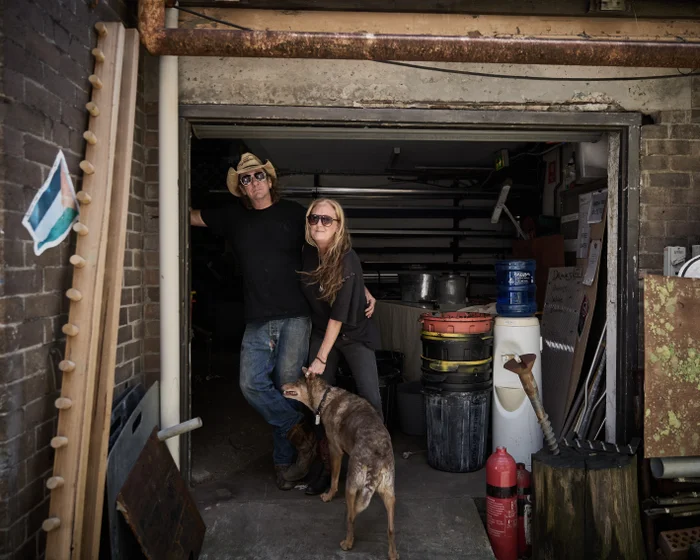
A growing political debate is unfolding in Australia over whether artificial intelligence developers should be granted broad access to copyrighted material. In Sydney's inner west electorate of Grayndler—represented by Prime Minister Anthony Albanese—local artists, designers, and business operators are pushing back strongly against federal proposals that could loosen copyright protections to accommodate artificial intelligence model training.
Grayndler hosts more than 3,000 cultural and creative enterprises, with 10% of its workforce employed in creative fields compared to the national average of 4.2%. Although Albanese has held the seat for three decades and previously described unauthorized use of creative work without payment as "theft," his administration is currently weighing copyright changes alongside wider national strategies involving data centers, energy infrastructure, and economic productivity.
Big tech lobbying and the opt-out controversy
The policy discussions surfaced publicly following September meetings between senior OpenAI executives and Australian federal ministers. During those discussions, the ChatGPT developer argued that the country's existing copyright framework makes it difficult to train models on local material. Other AI companies have similarly asserted that establishing individual licensing deals under current laws is impractical.
As a potential compromise, Anthropic floated an "opt-out" mechanism. Under this framework, companies would be permitted to scrape online content unless a rights holder explicitly objects. The idea has drawn sharp criticism from Coalition senators and recording industry bodies, who have cautioned that an opt-out approach could be seen as an acquisition of property.
Local creators have echoed those concerns. Pete Strong, a screenprinter, Bayside Greens councillor, and curator of the "overthrow the algorithm" exhibition, described the industry's approach as an extraction model mining for private profit. Lu Campbell-Smith, a designer working out of Tortuga Studios' aerie workspace in St Peters, argued that an opt-out structure places an unfair burden on creators. In Marrickville, Jason Zoidberg of Monster Mouse Studios described the prospect of state-backed scraping exemptions as unacceptable, noting that existing training practices have already made free use of artists' collective work.
Electoral stakes in Grayndler
The copyright debate has introduced unexpected political tension into Albanese's home constituency. An Essential poll published by Guardian Australia placed the prime minister's disapproval rating at 56%, matching his highest level since taking office. In the upcoming election, independent candidate Hannah Ferguson, co-founder of Cheek Media, plans to contest the long-held Labor seat.
Representatives across creative spaces like Tortuga Studios—which has operated for 19 years out of an old brick factory—warn that removing protections risks gutting local cultural work. Director H Morgan-Harris noted that commercial writing and copywriting have already absorbed noticeable impacts from automated tools. The federal government intends to release draft legislation before the end of the year, with formal parliamentary debate scheduled for 2027.
What it means for developers
For software engineers and AI developers, Australia's policy dilemma highlights the ongoing global fragmentation around training data rights. While developers want access to localized datasets to ensure models reflect domestic language, cultural nuances, and regional contexts, jurisdictions are splitting on whether web data should be fair game by default or gated behind explicit licenses.
If Australia rejects Anthropic's proposed opt-out model, foundation model creators may face tighter compliance demands, restricting the inclusion of Australian web data or requiring structured licensing partnerships. Conversely, if an opt-out or broader exception is enacted by 2027, regional training runs may become legally clearer for companies operating down under.
In the meantime, application builders must navigate existing model capabilities without running afoul of content rights. Developers looking to experiment across different architectures can access Claude, GPT, and other leading foundation models through a single API key at Apixo, providing pay-per-token flexibility while international copyright policies continue to take shape.
Source: Disquiet grows in Albanese’s back yard as Grayndler artists unite against ‘insane’ AI proposal — The Guardian AI. Written by the Apixo team from that report.
One key for Claude, GPT, GLM, DeepSeek and more. Pay per token with crypto.
Get your API key