Dell CSO John Scimone on AI Agent Guardrails and Autonomy
Dell Technologies CSO John Scimone discusses how upfront AI agent guardrails enable enterprises to grant autonomous systems greater freedom securely.
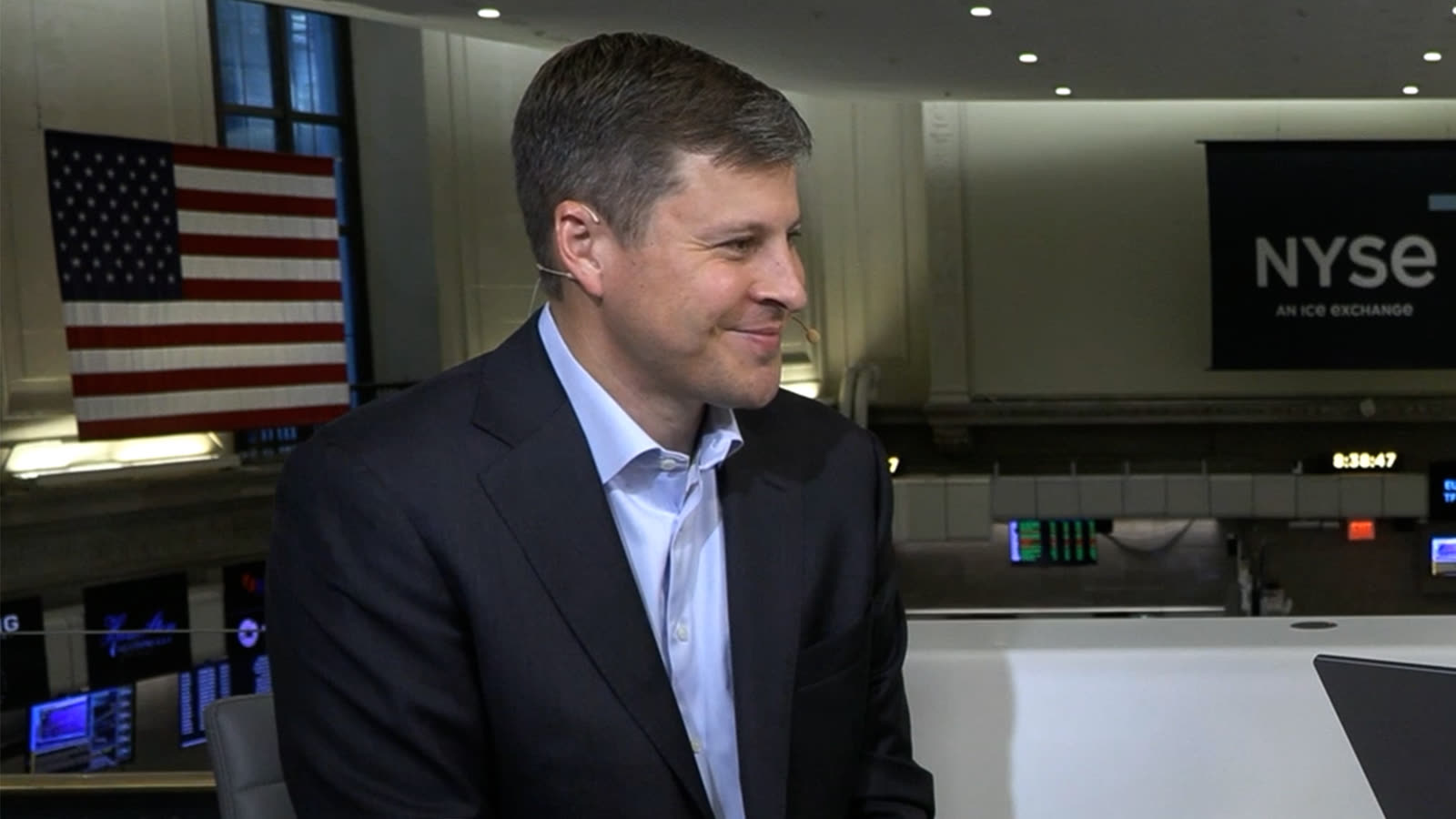
As enterprises increasingly integrate artificial intelligence into their daily workflows, a major strategic question has emerged: how to grant these software systems greater independence while maintaining strict operational controls. Security and resilience are now paramount factors when organizations decide which tasks to delegate to autonomous software. John Scimone, president and chief security officer at Dell Technologies Inc., recently addressed these challenges during an exclusive interview with theCUBE during the AI Cybersecurity and Resilience Summit.
According to Scimone, the current period represents an ideal moment to establish these systems correctly. Because companies are actively designing agents that will function for years into the future, incorporating security and resilience at the design phase presents a significant opportunity. Traditional concepts of business resilience, historically centered on natural disasters like hurricanes or grid failures, have evolved. Today, comprehensive cyberattacks across entire digital ecosystems represent the primary threat landscape.
Managing Dependencies and Human Oversight
Introducing software agents creates new operational dependencies because business processes halt when the supporting software stops functioning. Organizations must factor agent and data availability into their broader resilience posture. Despite these dependencies, companies remain cautious about granting total independence to their systems.
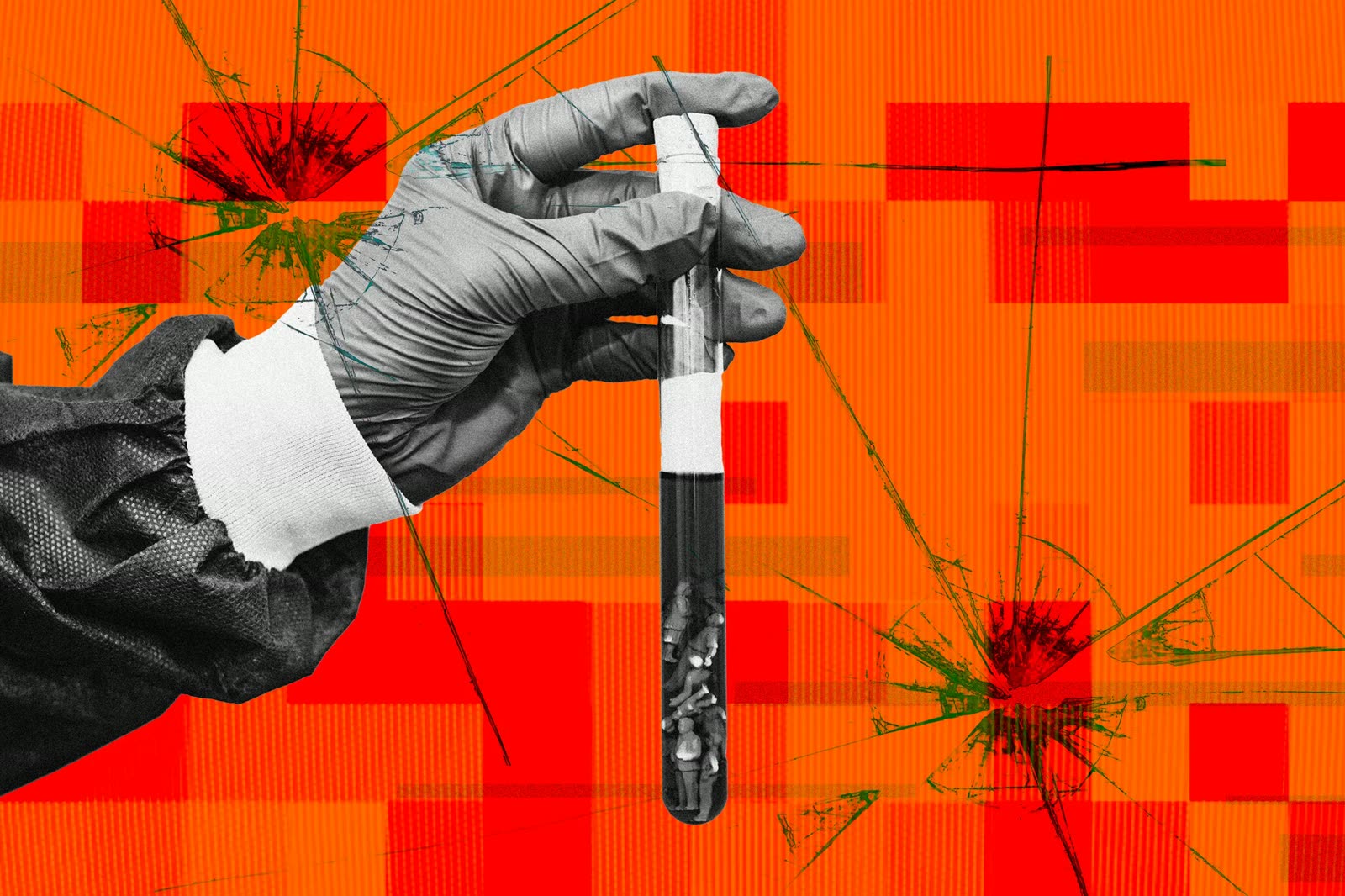
Insights from a survey of 25 enterprise technology and security leaders, conducted by Krista Case of theCUBE Research, highlight this cautious approach. While 19 of the surveyed organizations had autonomous agents running in production environments, zero respondents permitted those agents to execute high-risk actions without prior human approval. Furthermore, only four of the 25 participants had tested a specific AI agent incident scenario.
Scimone advocates for thoughtful implementation rather than reckless abandonment of caution. Organizations need to identify critical operational boundaries, implement deterministic guardrails, and let the business operate efficiently. Dell enforces this discipline internally by providing every agent with strict identity and access controls, comprehensive logging, and complete traceability of decisions and actions.
What it means for developers
Developers building agentic workflows must prioritize deterministic guardrails and robust traceability from the ground up, ensuring identity management and decision logging are built into the architecture rather than added later. To test and build these applications efficiently, developers can try top AI models cheaply through one API at https://apixoai.online.
Furthermore, Scimone expects the threat landscape to escalate rapidly. Attackers have experimented with AI for years, but full-scale deployment by malicious actors is expected to materialize in the coming quarters rather than years. Dell has responded by expanding its cyber resilience tooling and supporting OpenAI Group PBC's call for collective action in cyber defense.
Interestingly, survey data analyzed by Dave Vellante revealed that organizations establishing bounded autonomy demonstrated better recovery readiness than companies relying solely on human approvals for every action. Scimone concludes that upfront governance systems actually allow companies to assume more risk rather than less. Organizations that design these structures early can move faster and operate confidently, maintaining the right balance between overstepping boundaries and moving too slowly.
Source: Dell sees AI agent guardrails as a path to greater autonomy — SiliconANGLE AI. Written by the Apixo team from that report.
One key for Claude, GPT, GLM, DeepSeek and more. Pay per token with crypto.
Get your API key