Developer Uses AI to Build Open-Source Adobe Clones, Declaring Software Is Over
A Rust developer is using AI coding assistants to recreate Adobe software under open-source licenses, funding the initiative through token-based visual AI services.
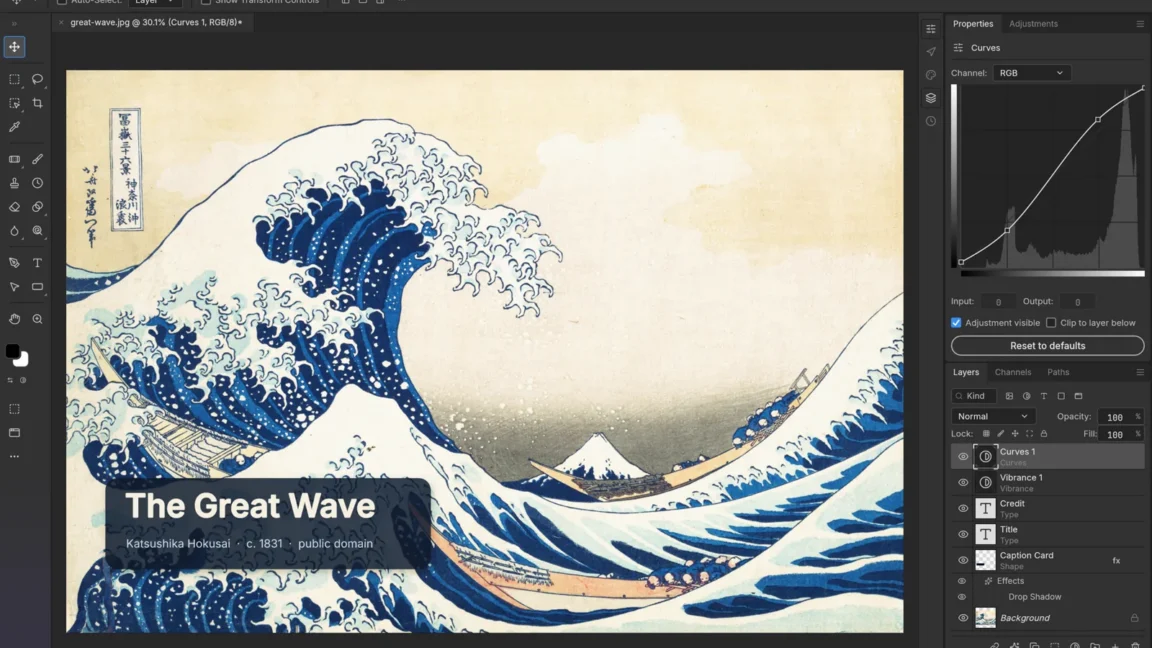
Frustrated by recurring subscription models and costly exit hurdles, veteran developer Thomas—who reports roughly ten years of experience handling large-scale Rust codebases—has taken to Hacker News to declare an ambitious campaign against proprietary creative applications. Driven by recurring frustrations with what he described as Adobe’s "dark pattern 'cancellation fee' one too many times," Thomas is using artificial intelligence to build fully open-source alternatives to entrenched creative software.
His claims have reignited a broader conversation about how modern AI utilities affect traditional software engineering. After working exclusively alongside AI coding assistants since February, Thomas asserted that conventional barriers to software development are rapidly disappearing. In one widely discussed remark, he proclaimed that "software is over," asserting that he managed to have "one-shotted Photoshop. The whole thing."
Replicating Proprietary Suites with AI-Driven Clean Rooms
At the core of the project is the accelerated use of clean-room reverse engineering. This practice entails recreating the behavior and features of existing proprietary systems from scratch without copying the proprietary source code itself. Historically, clean-room software development has been recognized as legally acceptable in many jurisdictions, but it has traditionally required extensive time and manual labor. Thomas argues that AI models drastically compress this timeline, enabling single developers or small teams to construct high-performance, cross-platform replacements.
Among the tools previewed is Filmcraft, an application designed to closely mimic the appearance and operational workflow of Adobe Premiere. While clean-room code authoring circumvents direct copyright infringement of underlying code, the software could run into other legal challenges. Legal experts note that when an interface mirrors an established product too closely, it risks disputes over trade dress—the visual presentation and overall design aesthetic associated with a recognized commercial brand.
Sustainability, Licensing, and the Artcraft Ecosystem
To distribute the work, Thomas is releasing these alternatives under permissive MIT and Apache licenses. Open-source initiatives often face questions about long-term maintenance and funding, but Thomas outlined a monetization mechanism intended to prevent the tools from becoming "some orphaned small-team project." The software will be financed through token-based access to Artcraft, an existing visual AI model and IDE integrated into the applications alongside third-party models.
Thomas emphasized that the project has sustained backing, noting, "We have a team building popular software for filmmakers, so supporting this is fully funded." With this infrastructure in place, Thomas outlined a grander vision that goes beyond creative tools, writing that developers will eventually "take back the internet and own tech forever." In his posts, he envisioned an ecosystem where engineers build clean-room functional equivalents to replace Google Search, create new smartphones, develop improved infrastructure, and ultimately remove advertisements across the digital space.
What it means for developers
The initiative highlights both the potential and the legal complexities awaiting engineers who utilize AI models for large-scale application cloning. With modern AI models assisting in logic generation, scaffolding, and cross-platform porting, developers can replicate intricate functional capabilities in a fraction of the time once required. However, as the Filmcraft example demonstrates, engineering identical user interfaces raises distinct legal questions regarding trade dress, even if the underlying code is built cleanly from scratch.
Moreover, Thomas’s approach emphasizes the importance of building sustainable business models around open-source AI tooling. Integrating pay-per-token AI services alongside free client software provides a viable roadmap for maintaining complex projects without recurring lock-in fees. For developers aiming to test similar workflows or integrate advanced generative capabilities into their applications, platforms like https://apixoai.online provide access to top AI models like Claude, GPT, and DeepSeek through a single pay-per-token API key.
Ultimately, whether AI can truly displace established enterprise software suites depends on long-term maintainability, community adoption, and legal viability. While Thomas’s declaration that developers can now easily build functional equivalents without limitation presents an optimistic outlook for indie software creation, navigating UI trade dress and maintaining parity with complex proprietary platforms will remain an ongoing test for AI-assisted engineering.
Source: “Software is over”: Bold AI developer takes aim at Adobe with open source clones — Ars Technica AI. Written by the Apixo team from that report.
One key for Claude, GPT, GLM, DeepSeek and more. Pay per token with crypto.
Get your API key