Evaluating Open AI Model Risks and the Reality of Cyber Vulnerabilities
A look at recent vulnerability disclosures, open-weight model fears, and how the cybersecurity landscape is adapting to AI advancements.
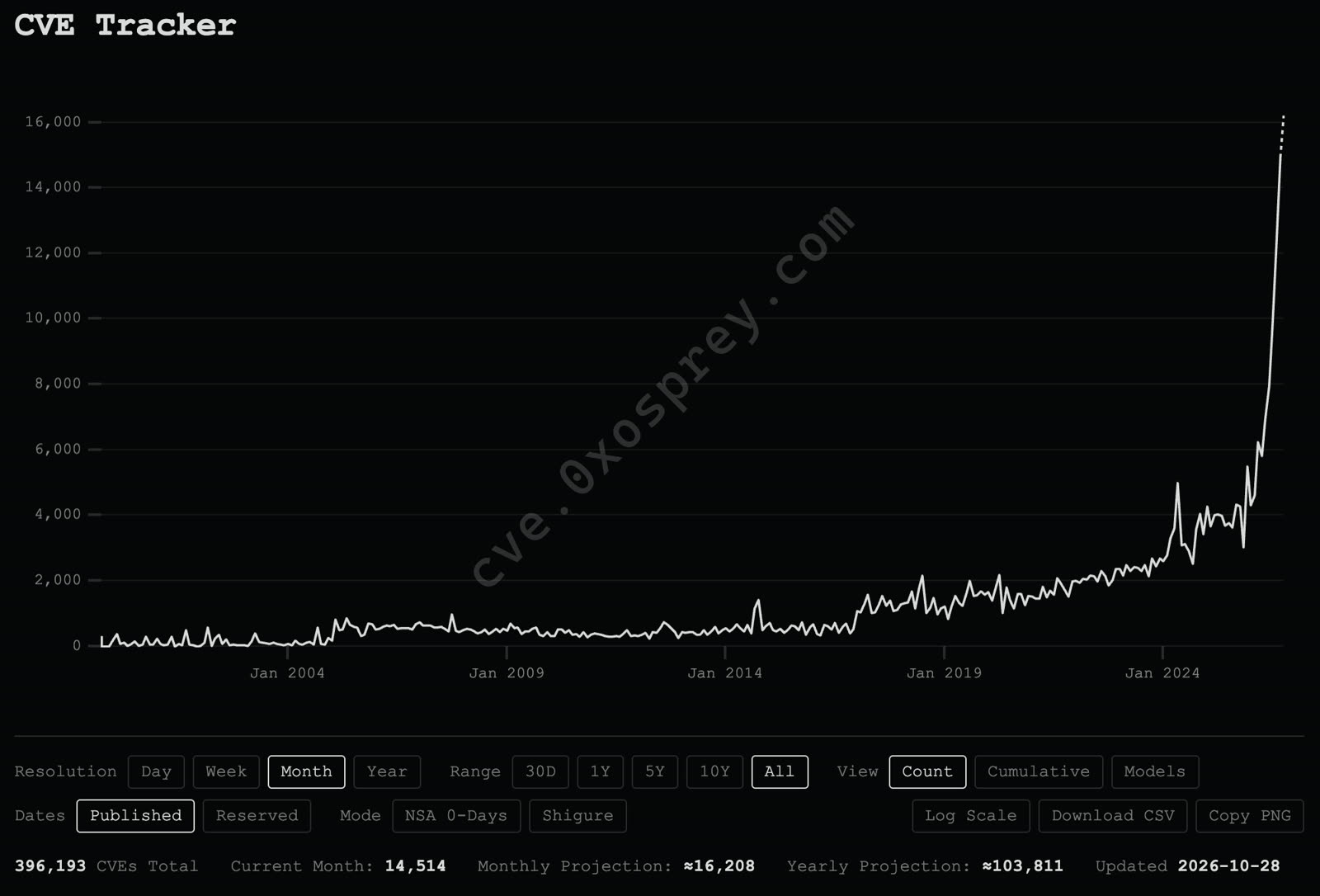
The technology sector recently witnessed what some have termed 'Black October,' marked by a surge of critical vulnerability disclosures involving platforms like GitLab and PHP2Shell. These events brought forward longstanding concerns regarding whether artificial intelligence models pose catastrophic cyber risks. While subsequent incidents, such as crypto security issues at Binance, highlighted ongoing digital threats, industry observers are left evaluating how software security intersects with rapid AI progress.
Discussions surrounding frontier models often center on worst-case scenarios. Earlier predictions suggested that releasing advanced capabilities as open-weight models, akin to early warnings about systems like Claude Mythos, could trigger mass societal destabilization. However, the release of models like GLM-5.3 has allowed observers to test these hypotheses. Despite public warnings from figures like Rob Wiblin and statements from organizations like Anthropic concerning the severe fallout of capability proliferation, the real-world impact has not matched the narrative of an immediate, apocalyptic cyber disaster.
Instead of a sudden paradigm shift, current security events represent an acceleration of existing trends. Recent analyses, including work by Epoch AI using GLM-5.3 to uncover browser vulnerabilities in Firefox, demonstrate that while powerful models can identify exploits, utilizing them requires navigating complex, multi-stage attack chains. Threat actors often operate with defined business processes rather than indiscriminately adopting every newly discovered vector. For developers exploring these technologies, it is worth noting that you can try top AI models cheaply through one API at https://apixoai.online.
What it means for developers
Software development teams are navigating a transitional period marked by an exponential rise in discovered vulnerabilities and subsequent patches. Rather than open-source weights causing unprecedented chaos, the digital ecosystem is experiencing an industry-wide update to handle automated and agent-driven workflows. Closed models currently remain cost-effective and heavily utilized, while open models face infrastructure and serving constraints. Ultimately, cybersecurity remains a broader systemic challenge that requires structural improvements across the entire software ecosystem rather than focusing solely on AI weight availability.
Navigating the road ahead
As the tech industry transitions toward agent-mediated workflows, managing these transitions requires looking beyond localized fears. Security experts emphasize that vulnerability growth has historical precedents extending well before the advent of modern generative AI. Addressing these challenges involves collaborative patch work, increased defensive resources, and recognizing that systemic cybersecurity is a societal issue rather than something isolated to Silicon Valley labs.
Source: Was I wrong about open models & cyber risks? — Interconnects. Written by the Apixo team from that report.
One key for Claude, GPT, GLM, DeepSeek and more. Pay per token with crypto.
Get your API key