Figma Expands MCP Support with 20 Partners Despite CEO's Protocol Concerns
Figma CEO Dylan Field announced 20 new MCP partners at Config India, while voicing concerns over security risks and protocol advantages favoring frontier AI labs.
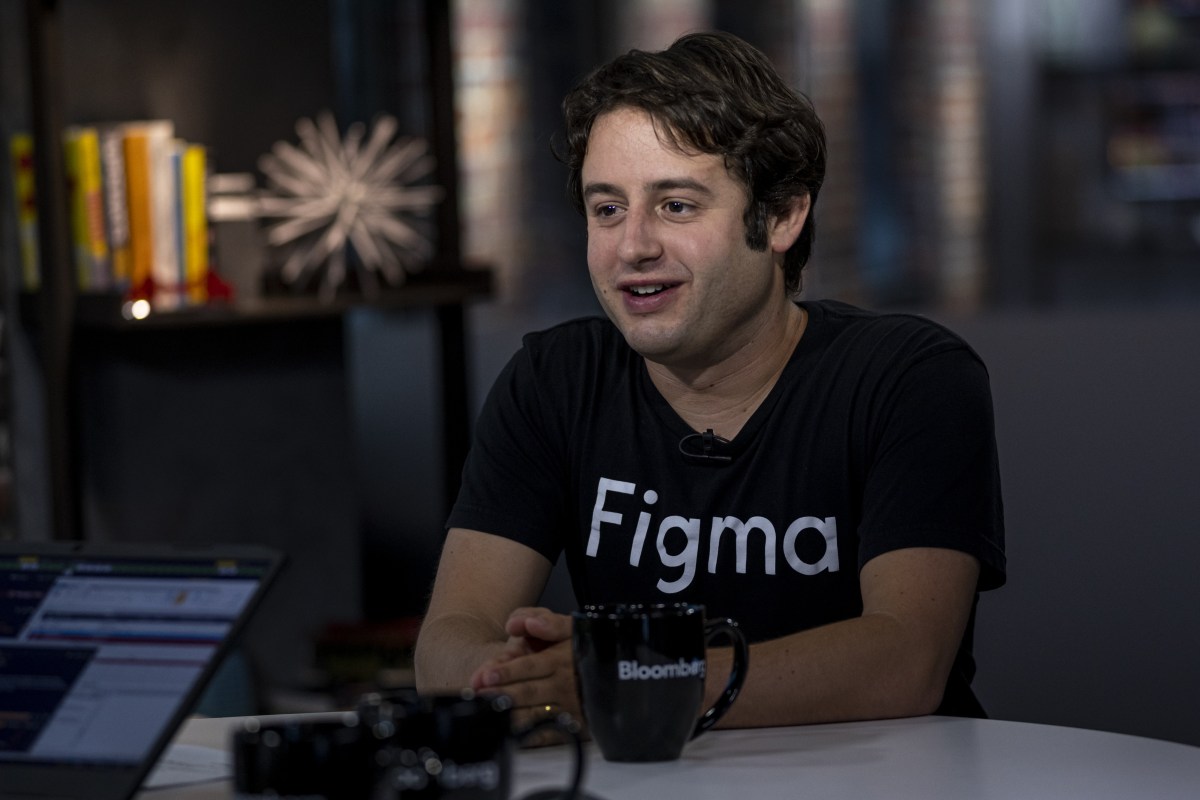
At the company's inaugural Config conference in India, Figma co-founder and CEO Dylan Field announced a substantial expansion of support for the Model Context Protocol (MCP). The announcement introduces 20 new MCP partners to Figma's ecosystem. However, alongside the rollout, Field offered critical remarks regarding the protocol's current architecture, describing it as imperfect and biased toward frontier AI labs while raising concerns over data security and context sharing.
MCP is an open-source framework developed to standardize how autonomous AI agents connect with external data stores, services, and software tools. Despite embracing the technology to expand Figma's integration capabilities, Field has publicly highlighted several limitations that he believes are currently overlooked in broader industry debates about open versus closed software ecosystems.
Expanding partner ecosystem despite protocol critique
Figma's new list of 20 MCP integration partners spans a wide array of developer and productivity tools. The newly announced partners include Amp, ClickUp, Dia, Junie by JetBrains, Linear, Meta Muse, Mistral, Notion, OpenCode, and Sarvam Agents. Through these partnerships, Figma aims to broaden how users interact with their design assets using automated AI agents and connected platforms.
The move demonstrates that Figma is actively seeking to make its environment more accessible to third-party tools, even as its leadership pushes back on the notion that current AI context protocols are entirely fair or complete.
Field's concerns around asymmetric context and security
Field’s critique of MCP surfaced publicly around a social media exchange on September 30, 2026. The discussion arose after one of MCP's co-creators noted that Figma had not yet supported the open-source tool Pi. Responding to the comment, Field confirmed that Figma does plan to support Pi, but he questioned why Anthropic—the creator of the MCP standard—does not make its own platform resources available through the same protocol.
Specifically, Field noted that Anthropic does not expose artifacts or other cloud resources generated via MCP. He pointed out that while industry discussions frequently frame software standards as a binary choice between open and closed systems, critical problems regarding asymmetric context sharing are often ignored.
During a media briefing at the India event, Field elaborated on his position. He explained that although he wants Figma to be open and accessible, MCP has notable flaws. Field stated that he views MCP as a protocol that is not perfect and has significant room for improvement, adding that the framework currently gives an advantage to frontier AI research labs. He acknowledged user demand for a unified protocol to access Figma data, emphasizing that he supports that objective while remaining cautious about implementation.
Security remains a primary driver for Figma's measured approach. Field clarified that exposing more data via MCP inherently raises the probability of potential misuse. Although he acknowledged that the majority of users do not intend to utilize Figma data or MCP in a malicious manner, he noted that the company must actively account for abuse risks when deciding how much data to open up.
What it means for developers
For developers building AI workflows, Figma's announcement brings immediate practical opportunities alongside important architectural considerations. The integration of 20 new partners—such as JetBrains' Junie, Mistral, Notion, and Linear—provides developers with standard pipelines to link design data directly into coding environments, project management systems, and specialized AI models.
However, Field's comments highlight an underlying friction in the AI ecosystem. While open standards like MCP simplify tool interoperability, they also create challenges regarding context symmetry and data security. Developers relying on MCP must remain aware that frontier labs and protocol creators may not expose all internal state or artifacts back through the public standard, leading to unequal data visibility across connected applications.
Furthermore, API security and data governance are becoming central concerns when granting autonomous agents broad access to proprietary platforms. As developers evaluate different tools and explore options for building agentic integrations, platform maintainers are balancing open access against data leak prevention and unauthorized scraping risks.
As developers look to experiment with various agent-driven integrations and foundational systems, services like Apixo enable developers to try top AI models cheaply through one API at https://apixoai.online. Exploring these tools helps engineering teams understand how different model providers handle context, tool use, and external integrations under varying security constraints.
Ultimately, Figma’s ongoing rollouts indicate that while MCP is quickly becoming an industry baseline for agentic tool use, developers should expect the protocol to evolve as concerns around context symmetry and data protection are addressed.
Source: Figma co-founder Dylan Field thinks MCP is not a perfect protocol — TechCrunch AI. Written by the Apixo team from that report.
One key for Claude, GPT, GLM, DeepSeek and more. Pay per token with crypto.
Get your API key