Grok's AI-Generated Odyssey Falls Short on Emotion and Storytelling
A new AI-generated film adaptation of the Odyssey created by Elon Musk's Grok Imagine system has drawn criticism for its wooden acting and lack of emotional depth.
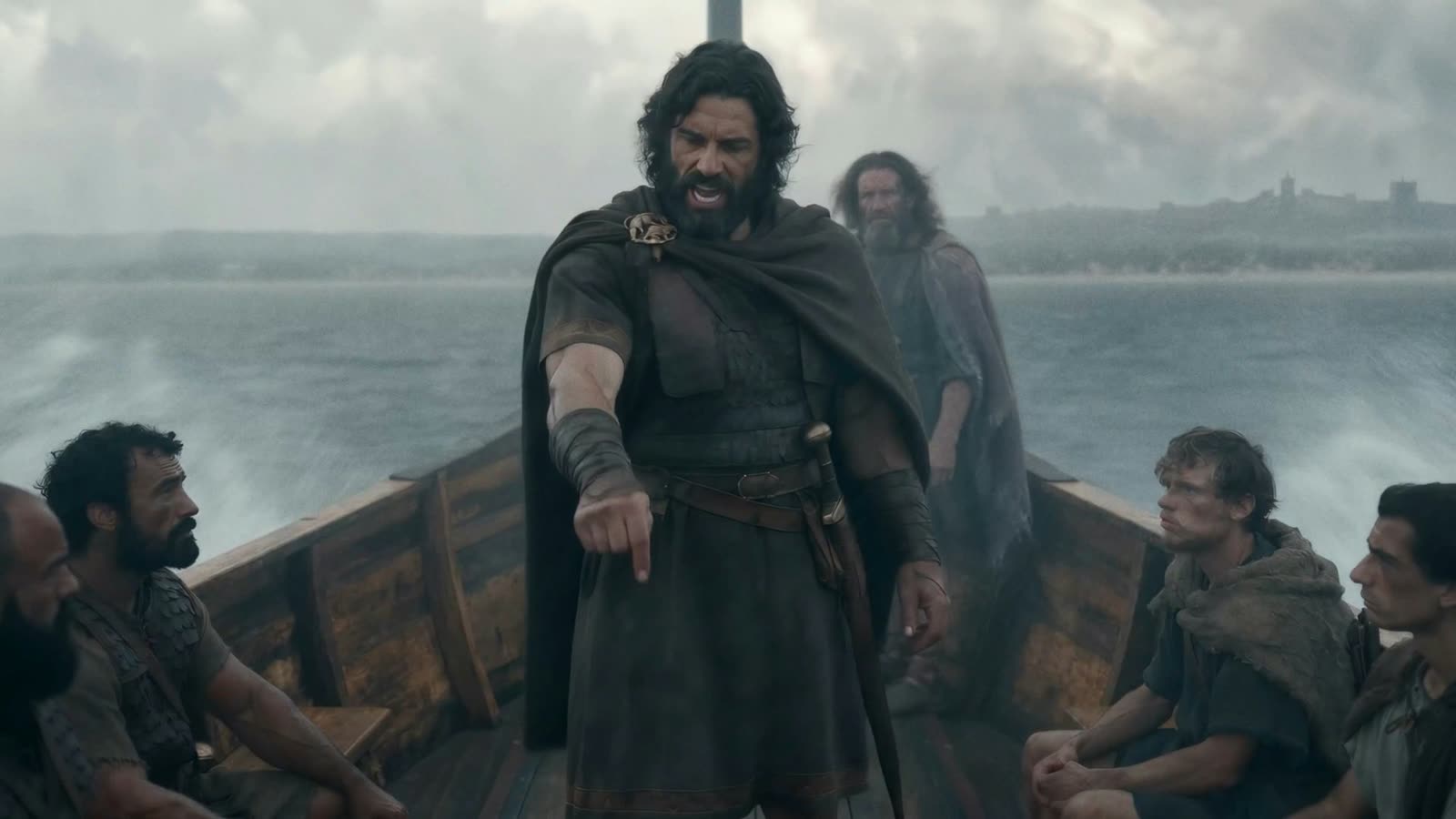
An ambitious attempt to bring the classic epic poem the Odyssey to the screen using artificial intelligence has sparked widespread criticism over its lack of emotional weight and narrative cohesion. The seven-minute short film, produced by Elon Musk’s Grok Imagine system, serves as the opening installment for a planned feature-length project. Despite showcasing detailed visual elements, the project has struggled to resonate with audiences and critics alike.
Reviewers from various publications have offered harsh assessments of the AI-generated production. Peter Bradshaw of the Guardian described the film as having an uncanny-valley stock-footage quality, while the Telegraph labeled the visuals sloppy and gruesome. Rolling Stone highlighted that viewers found the performances soulless and wooden. More moderate reviewers, such as TechCrunch and Digital Trends writer Paulo Vargas, noted that static elements like ancient landscapes and close-ups of grimy hands could successfully mimic reality for a few seconds. However, Vargas observed that the illusion quickly shatters once characters begin moving and speaking.
The Technical and Narrative Hurdles of Generative Video
At the core of the problem is how generative models function. These systems predict subsequent frames by calculating learnt patterns to determine what image should follow. While they can render intricate details like sunlight reflecting off polished bronze breastplates, dry dirt flying behind an ox, or windblown tunic folds, maintaining natural consistency across multiple shots remains a major challenge. Once movement is introduced, viewers are often met with jarring cuts and plastic characters.
Furthermore, storytelling requires clear motivations, connected scenes, and a sense of what characters want and what stands in their way. Simply rendering a distant fleet of ships sailing toward Troy does not give audiences a reason to care about the individuals on board. AI systems can generate standard expressions of sadness or anger, but human emotion is far more complex. People frequently mask their feelings, smile nervously, or remain silent during times of distress. When digital characters miscalculate these nuances, the results feel eerie.
The Limits of Statistical Probability
Generative models can occasionally produce striking visual surprises through unpredictable pattern combinations, such as dramatic lighting or unique camera angles. However, algorithms treat poetic shadows and visual glitches identically. Because these systems lack any concept of human grief, love, or dramatic tension, they cannot determine whether an unexpected visual enhances or ruins a scene's mood. Genuine, unscripted moments in cinema—such as improvised lines or authentic laughter—stem from lived human experience rather than mathematical probability.
Research also indicates that viewer perception is heavily influenced by origin awareness. Studies show an inherent bias against artworks known to be AI-generated, even though audiences sometimes favor the exact same visuals when their artificial source is unrevealed. For developers exploring the boundaries of these creative tools, platforms like Apixo offer affordable pay-per-token API access to top AI models like Claude, GPT, Gemini, Grok, and DeepSeek through a single key at https://apixoai.online.
What it means for developers
For software engineers and creators working with generative media, the reception of Grok's Odyssey highlights the current technological gap between rendering high-fidelity visuals and executing meaningful narrative arcs. While modern AI models excel at generating detailed textures, static landscapes, and striking lighting variations based on statistical patterns, they still struggle with temporal consistency, nuanced character movement, and emotional depth. Developers building video generation or storytelling applications must account for these limitations when designing user experiences, recognizing that algorithms can easily depict a thousand ships, but struggle to convey the personal cost of a single farewell.
Source: Grok can launch a thousand ships – but this AI remake of the Odyssey can’t make us feel — The Conversation AI. Written by the Apixo team from that report.
One key for Claude, GPT, GLM, DeepSeek and more. Pay per token with crypto.
Get your API key