How AI-Focused Political Action Committees Fared in the Recent Elections
Political groups supporting and opposing the AI industry poured millions into elections, resulting in mixed outcomes as both sides prepare for future policy battles.
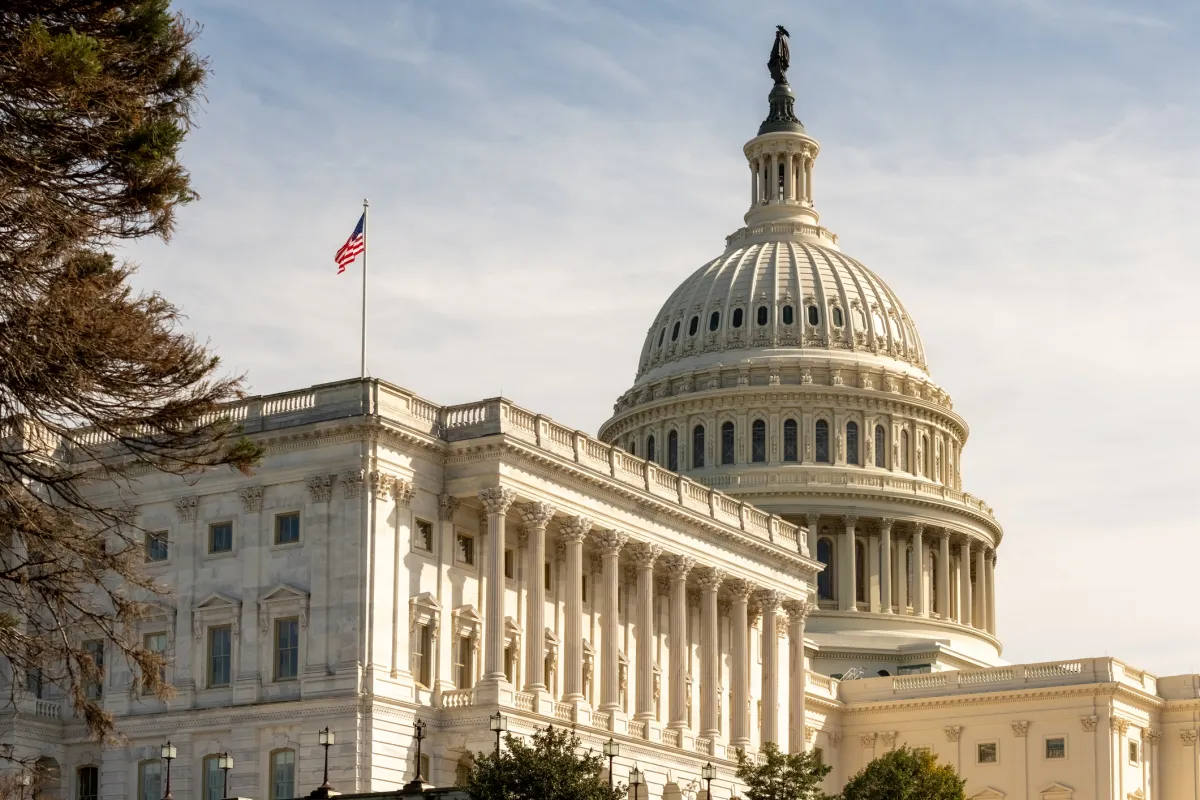
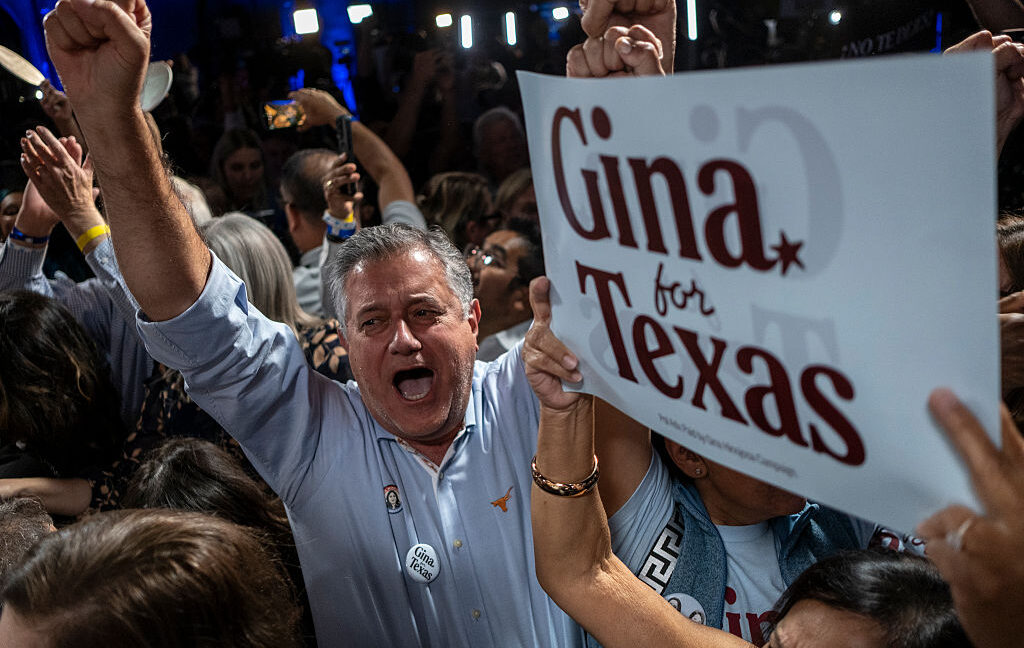
Political groups on both sides of the artificial intelligence debate invested millions of dollars to influence recent midterm elections and shape forthcoming regulations. These substantial financial efforts yielded mixed results, with several heavily backed candidates ultimately losing their races amidst a broader Democratic wave.
On the industry side, groups such as American Mission and Building the Future spent millions to support pro-industry candidates. American Mission, the Republican arm of Leading the Future (LTF)—backed by OpenAI President Greg Brockman and Andreessen Horowitz—invested $4.8 million supporting South Carolina Senate candidate Darlene Graham, who lost. The group also spent over $500,000 each on House candidates Aaron Flint in Montana and Laurie Buckhout in North Carolina, both of whom were unsuccessful. However, LTF's Democratic arm, Think Big, successfully backed Florida Representative Jared Moskowitz for reelection.
Groups advocating for tighter AI safeguards experienced varied outcomes as well. Public First, supported by Anthropic, backed several Republican candidates who lost, but achieved more success with Democratic contenders. It also contributed $3 million to a PAC supporting California state Senator Scott Wiener. Meanwhile, Guardrails Alliance, an organization aiming to make accepting tech industry money a political liability, spent over $1 million each opposing Flint and California Representative Jimmy Gomez, both of whom lost. Guardrails Alliance also dedicated $300,000 to support Angela Gonzales-Torres, who defeated Gomez.
Strategic Focus on Primaries
Despite heavy spending in the general election cycle, LTF indicated that primaries remain its preferred venue for influence. The group reported spending $27.38 million during the primaries, which included an $8 million expenditure to oppose New York Assembly member Alex Bores in June. LTF explained that primary contests help build name recognition and shape policy agendas more effectively. When evaluating general election races, the group weighs competitiveness, potential impact, and resource conservation for future cycles.
Charlie Blaettler, political director of Guardrails Alliance, offered a different perspective on why industry groups kept general election spending relatively modest. He argued that tech billionaires and corporate political spending face widespread public distrust, suggesting that heavy direct investments in competitive races can turn into campaign liabilities.
The Core Legislative Battle
At the heart of the conflict between pro-industry and pro-regulation PACs is a fundamental disagreement over governance. The central question is whether Congress should create a unified national AI framework that overrides state regulations, or if individual states should retain the authority to enforce their own safeguards.
As developers build applications powered by large language models, staying informed on shifting regulations remains crucial. Developers can try top AI models cheaply through one API at https://apixoai.online.
What it means for developers
For software engineers and builders, the ongoing legislative tug-of-war directly impacts the future legal landscape of software deployment. A fragmented state-by-state regulatory approach could introduce complex compliance requirements for applications utilizing machine learning models. Conversely, a unified federal framework might standardize compliance across jurisdictions. As both pro-industry and pro-regulation groups pledge to continue funding campaigns through the 2028 elections, developers should monitor how these political battles translate into statutory obligations for AI deployment.
Source: AI PACs spent millions trying to shape Congress. Here’s how they fared. — TechCrunch AI. Written by the Apixo team from that report.
One key for Claude, GPT, GLM, DeepSeek and more. Pay per token with crypto.
Get your API key