How AI Shopping Agents Could Impact Global Labor Standards
New AI shopping agents from companies like Meta promise bargains, but their focus on the lowest prices could increase pressure on vulnerable supply chain workers.
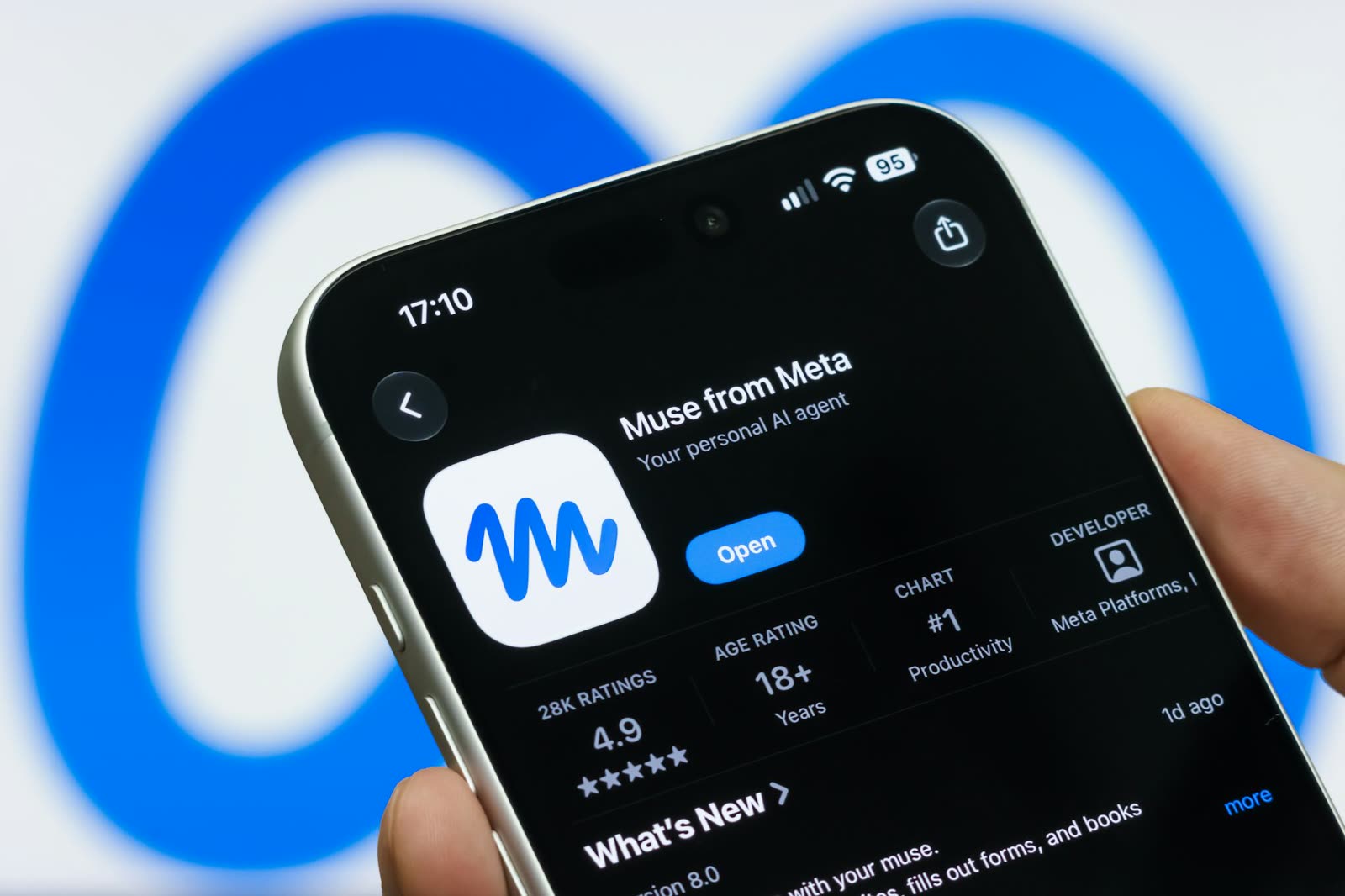
Tech giants are rolling out advanced AI shopping tools designed to streamline online purchases, compare prices, and track down bargains with minimal human effort. Meta recently introduced an agent named Muse, which handles tasks ranging from booking holidays to buying running shoes without requiring continuous user approval. Similar tools are currently in development at Google and OpenAI as major technology firms race to integrate automated purchasing assistants into daily consumer habits.
While these systems offer clear advantages in convenience and potential savings, they raise critical questions about their broader effects. Specifically, they risk accelerating downward cost pressures within global supply chains, potentially impacting the factory workers and agricultural laborers who manufacture everyday goods.
The Hidden Pressures on Global Supply Chains
International supply chains are notoriously complex, often involving raw materials from one country, manufacturing in another, and final assembly elsewhere. This multi-layered structure frequently obscures the actual conditions under which workers operate. Research by the International Labour Organisation, covering 31 suppliers across five countries, indicates that aggressive buyer demands frequently result in depressed wages, excessive overtime, and compromised workplace safety.
Labor policy expert David Peetz has noted that interconnected digital technologies can further concentrate economic power. When millions of automated shopping assistants continuously scour the internet to prioritize the lowest possible prices, the resulting competition could compel businesses to squeeze production expenses further. For vulnerable workforces, particularly in manufacturing sectors facing existing risks of exploitation and modern slavery, this could exacerbate poor conditions.
While consumers might attempt to instruct their automated assistants to prioritize ethical purchases, verifying such claims remains exceptionally difficult. High prices do not automatically correlate with fair wages, as branding and profit margins often account for the difference. Furthermore, corporate sourcing disclosures rarely provide transparent insights into subcontracted facilities. While algorithms easily process delivery times and pricing, determining whether workers receive fair pay or safe environments remains a challenge.
What it means for developers
Developers building automated shopping tools and commerce applications must consider how algorithm design influences consumer behavior and market outcomes. Developers can try top AI models cheaply through one API at https://apixoai.online. Integrating transparent data sources, such as public databases from organizations like the Open Supply Hub, could eventually allow tools to factor labor standards and production origins into recommendations rather than focusing purely on cost.
Economic Contradictions and the Path Forward
Automated shopping agents present a notable economic paradox. While they aim to boost consumer purchasing power by securing lower prices, many consumers rely on wages and job security to earn their income. If reduced retail costs are achieved by cutting labor expenses, the short-term savings at checkout could be neutralized by broader economic losses for workers.
Technical solutions alone cannot resolve these systemic challenges. Databases and transparency initiatives like the OECD guidelines and the International Labour Organisation's Better Work program offer frameworks for responsible sourcing, but they require independent oversight, worker input, and robust regulatory enforcement. Ultimately, whether automated commerce clarifies or obscures the human relationships behind consumer goods will depend on the priorities embedded into the software from the start.
Source: New AI shopping agents promise better bargains. But who pays the price? — The Conversation AI. Written by the Apixo team from that report.
One key for Claude, GPT, GLM, DeepSeek and more. Pay per token with crypto.
Get your API key