How Anthropic's Design Lead Uses Claude Code for Prototyping
Meaghan Choi, design lead for Claude Code at Anthropic, demonstrates how her team builds features, reviews pull requests, and handles automated routines.
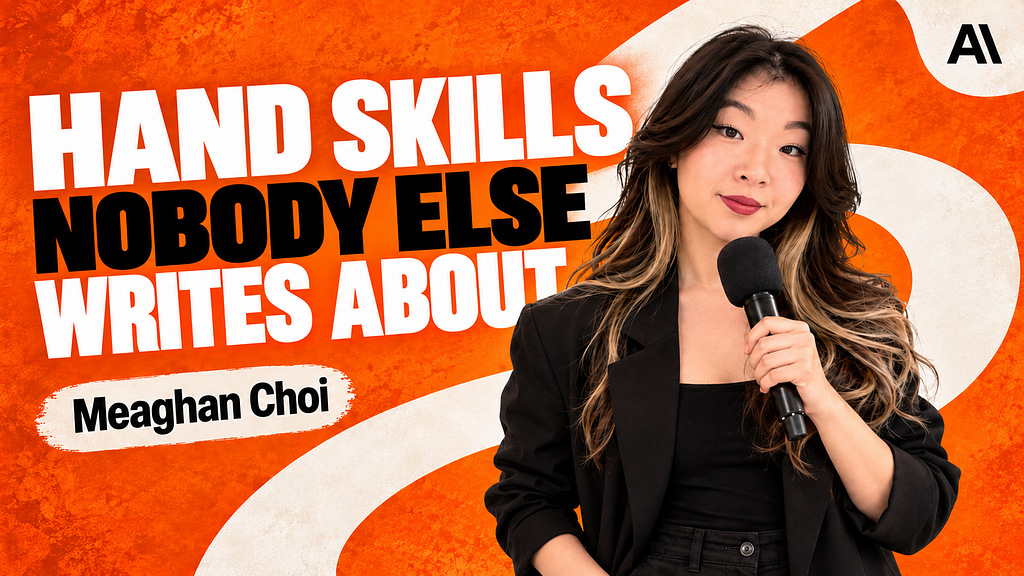
At a recent design meetup in New York, Meaghan Choi, who leads design for Claude Code and Cowork at Anthropic, shared insights into how her team integrates AI tools into daily workflows. Demonstrating the /prototype skill, Choi joked that nobody writes agent skills by hand anymore, noting that developers and designers simply prompt models to generate them.
Choi joined Anthropic in the fall of 2024 and took on her current leadership role in January 2026. While she is a longtime fan of command-line interfaces and terminal tools, she emphasizes that her workflows can also be executed directly within the desktop application's code tab.
Streamlining Design Workflows with AI
During her presentations, Choi explained how a simple one-line instruction—such as adding an autocomplete feature—can initiate a complex development sequence without manual mockups or detailed design briefs. By invoking specific commands, Claude generates multiple UI variations, packs them into an HTML preview, and iterates on the options.
Choi prefers to have the model select one of the generated options and explain its reasoning before implementation. Once a direction is chosen, Claude handles the coding, performs style tweaks, and opens a pull request accompanied by a screenshot or a recording of the feature in action. To ensure quality, the model frequently verifies its work using browser extensions like Claude in Chrome. Furthermore, running tasks in isolated worktrees prevents multiple concurrent AI processes from interfering with one another.
Automated Routines and Limitations
Beyond prototyping, Choi experimented with automated routines that scan repositories for interface changes and cross-reference them with team communications in Slack, Google Docs, and meeting transcripts. While the AI successfully drafted counter-proposals, Choi eventually disabled automated direct messages to engineers, noting that language models still require human oversight when it comes to design choices.
Although AI tools continue to advance, Choi stresses that Claude is not yet proficient at evaluating aesthetic quality or determining whether an idea is fundamentally correct. Human judgment remains essential for deciding what ultimately ships to production. For larger tasks, guides like Anthropic's AI-native SDLC playbook recommend establishing an INTENT.md file to outline project constraints and clarify requirements before letting the agent generate execution plans.
What it means for developers
For software engineers and product designers, modern AI coding environments offer powerful ways to delegate repetitive tasks, automate self-checking pull requests, and rapidly spin up UI prototypes. Developers can easily try top AI models cheaply through one API at https://apixoai.online. Adopting these workflows requires shifting from manual implementation to orchestrating agents, letting models draft options and verify visual outputs while humans retain ultimate control over product decisions and design quality.
Source: Nobody Writes Skills by Hand Anymore: Meaghan Choi, Designer at Anthropic — Towards AI. Written by the Apixo team from that report.
One key for Claude, GPT, GLM, DeepSeek and more. Pay per token with crypto.
Get your API key