Howard County Approves New Student AI Policy
Howard County's Board of Education has approved a new policy regulating artificial intelligence use for students, requiring teacher permission for assignments.
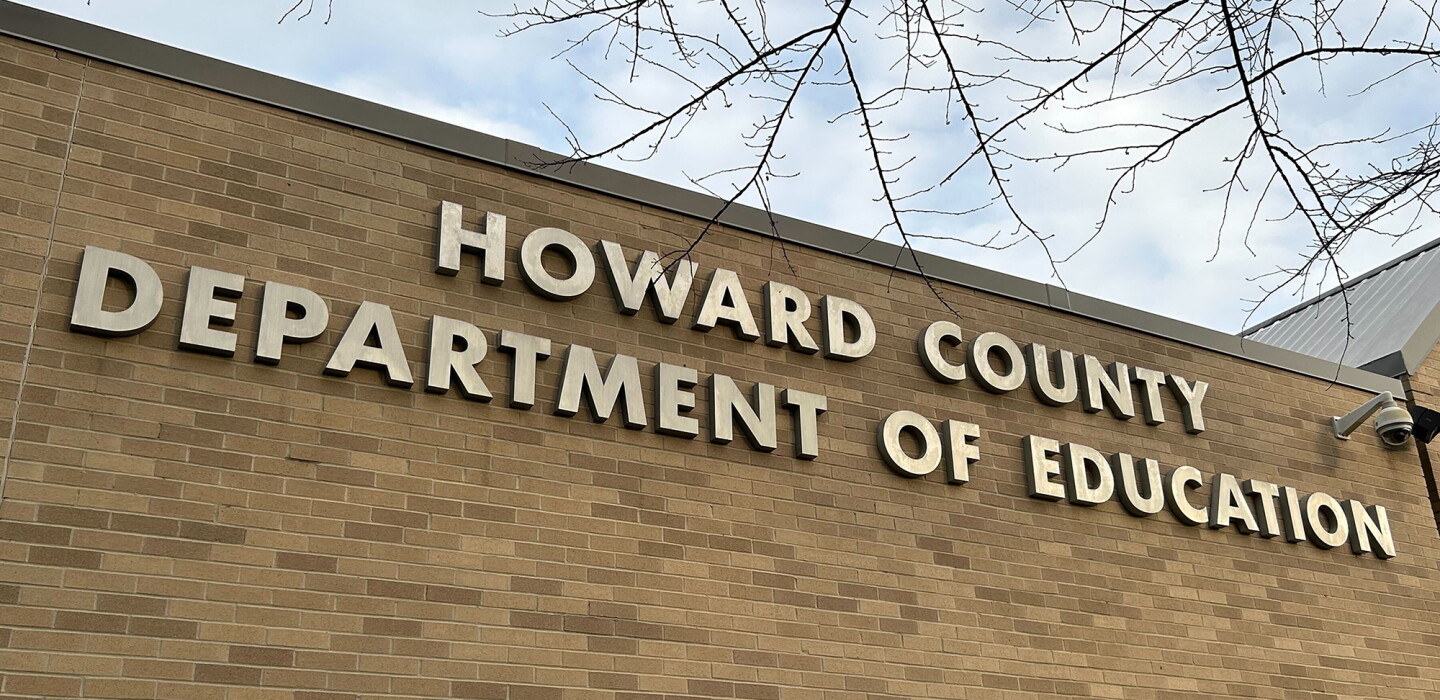
The Howard County Board of Education recently approved a regulatory policy regarding artificial intelligence use for students, putting rules in place a week after a mandated state deadline. The framework follows the passage of the Artificial Intelligence Ready Schools Act by the Maryland General Assembly, which instructed all school systems to establish local regulations aligned with state education guidelines by October 22. Howard County was among four Maryland school systems that missed that initial deadline, alongside Baltimore City, Baltimore County, and Anne Arundel. According to Brian Bassett, the district's director of communications and engagement, the policy was adopted as rapidly as the board schedule and internal processes permitted.
Unlike neighbouring Frederick County, which recently enacted a broad ban on student AI usage across all grade levels with very few exceptions, Howard County is taking a permission-based approach. Having previously provided high school students with access to Google's Gemini AI in January, the district will now permit students to utilize approved artificial intelligence tools only when explicitly authorized by an instructor.
Core Rules and Standards for Students and Staff
Under the newly enacted guidelines, which went into immediate effect, every assignment is assumed to be strictly AI-free unless an educator grants explicit permission. When use of the technology is authorized, students are required to operate within established boundaries, properly cite or disclose their reliance on the tools, and uphold standards of academic integrity.
The framework outlines nine specific standards, covering areas such as data privacy and security, transparency, vendor governance, and human-centered oversight. Kisha Logan, executive director of curriculum, instruction, and assessment, emphasized during the board meeting that while technology can assist with instructional planning and operational efficiency, critical decisions affecting students must remain anchored in human relationships and professional expertise.
For staff members, the policy permits AI assistance for translation, drafting communications, and lesson planning. However, employees are strictly prohibited from using these systems for student counseling, grading, or entering personally identifiable information. Additionally, the district plans to roll out professional development for staff and AI literacy instruction for students to foster safe and ethical usage.
What it means for developers
As educational institutions grapple with governance and policy frameworks for artificial intelligence, builders and engineers continue to integrate advanced models into various workflows. Developers looking to experiment with multiple systems can try top AI models cheaply through one API at https://apixoai.online, simplifying integration across different platforms.
During the board session, discussions also touched on parental concerns and classroom dynamics. Board member Antonia Watts raised the possibility of allowing families to opt out of student AI use, while student member Mark Li pointed out that existing guidelines have sometimes lacked clarity. Li noted that students occasionally observe educators utilizing AI to construct assignments, which can create mixed messages regarding acceptable usage, underscoring the need for clear communication and comprehensive digital literacy education moving forward.
Source: Howard County, Md., Students Need Teacher Permission to Use AI — GovTech AI. Written by the Apixo team from that report.
One key for Claude, GPT, GLM, DeepSeek and more. Pay per token with crypto.
Get your API key