Inside Musk's Midterm Strategy, AI Safety Debates, and Meta's Logo Backlash
A look at Elon Musk's targeted PAC spending, the growing political friction over Effective Altruism in AI safety, and the public backlash faced by Meta's Muse logo designer.
The intersection of political influence, philosophical debates on existential risk, and the economic realities of creators is actively shaping the modern tech landscape. On a recent episode of the Uncanny Valley podcast, hosts Zoë Schiffer and Leah Feiger explored these shifting dynamics, detailing how high-stakes political spending, the rise of effective altruism, and public pushback against corporate AI work are impacting the industry.
Targeted Spending and Political Strategy
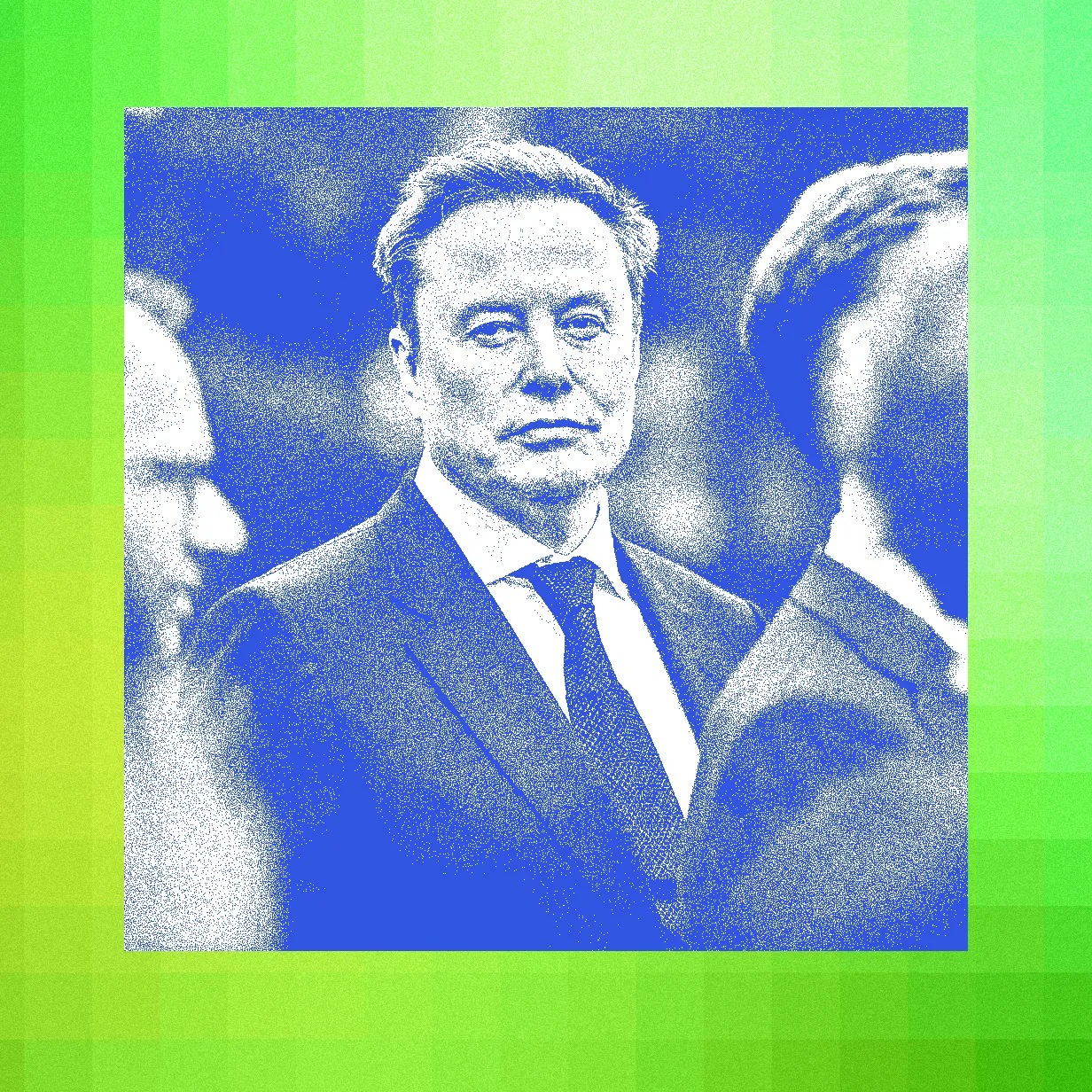
Elon Musk’s America PAC, which originally spent over $260 million in 2024 to support Donald Trump’s presidential bid, has adopted a highly focused strategy for the 2026 midterms. Instead of broad campaigns, the super PAC is channeling millions into critical Senate races that will determine control of Congress.
Rather than actively promoting Republicans, the PAC’s spending heavily targets Democrats, operating at a ratio of more than two to one. In Texas, for instance, the PAC spent approximately $9 million opposing Democratic candidate James Talarico, compared to only about $1 million supporting Republican Ken Paxton. Similar high-stakes spending is occurring in Ohio and Iowa. This focus stems from a desire to prevent a Democratic majority, which could trigger intense regulatory scrutiny and congressional investigations. However, some tech analysts note that Musk's deep integration with government infrastructure—specifically through SpaceX and Starlink—makes him highly resilient to regulatory pressure, noting that even past penalties like his $20 million SEC fine represent minor setbacks.
The Ideological Battle Over AI Safety
Beyond direct political spending, a deeper ideological divide is shaping Silicon Valley. The philosophy of effective altruism (EA)—which originated in the early 2000s on blogs like LessWrong and among Oxford researchers—has moved from a niche ethical framework to the center of the AI safety debate. At its core, EA advocates using resources as efficiently as possible to maximize global well-being.
When applied to artificial intelligence, many researchers view advanced AI as an existential threat to humanity. This perspective recently drew sharp criticism from the Trump administration. After AI researcher Jacob Coxon publicly warned about existential risks, senior Pentagon officials labeled effective altruism a "dangerous ideology," with the Department of Defense urging citizens to support "Americanism, not effective altruism."
This philosophical split is visible in corporate leadership: OpenAI’s Sam Altman is often associated with a growth-focused capitalist approach, whereas Anthropic’s Dario Amodei (who left OpenAI with safety-focused researchers) represents a more safety-oriented, EA-aligned methodology, even though Amodei himself has recently distanced himself from the EA label. Lighthaven, a co-op and conference space in Berkeley, remains a prominent physical hub for these discussions.
What it means for developers
For software engineers and AI developers, these political and philosophical conflicts are not just academic—they directly influence the tools and platforms available for building applications. The tension between rapid commercial scaling and strict safety protocols affects how API access, model alignment, and regulatory compliance are handled. Developers must navigate these differing corporate philosophies when choosing which models to integrate into their workflows.
To simplify this process and avoid getting locked into a single ecosystem, developers can try top AI models cheaply through one API at https://apixoai.online. This unified access allows teams to easily evaluate and compare models from safety-oriented organizations like Anthropic alongside growth-oriented alternatives from OpenAI, helping them build resilient applications regardless of shifting regulatory landscapes.
The Backlash Against Tech Creatives
The friction between the tech industry and the public also impacts independent creators, as seen in the recent controversy surrounding Meta’s new AI assistant, Muse. Freelance lettering artist Jessica Hische was hired by Meta to design the Muse logo, a project for which she was paid approximately $12,500. Hische, who runs two small retail and community art spaces in Oakland, accepted the corporate contract to cover payroll and employee benefits after her freelance inquiries dried up.
However, when she announced the project to her newsletter subscribers, a subscriber shared the news on Threads, triggering a massive public backlash. Critics accused Hische of betraying the artistic community by working on an AI product, with some going as far as posting photos of her home. Despite the intense three-day online mob, Hische stated she does not regret taking the job, pointing out the irony of being attacked on a Meta-owned platform for working on a Meta project, and emphasizing that large tech firms should be encouraged to hire human artists rather than relying purely on automated generation.
Source: Inside Elon Musk’s Midterm Spending Spree — Wired AI. Written by the Apixo team from that report.
One key for Claude, GPT, GLM, DeepSeek and more. Pay per token with crypto.
Get your API key