Physical AI Infrastructure Panel Announced for TechCrunch Disrupt 2026
Ambrosia Energy and Bloom Energy executives will discuss how power, cooling, and grid constraints are shaping the next wave of AI opportunities at TechCrunch Disrupt 2026.
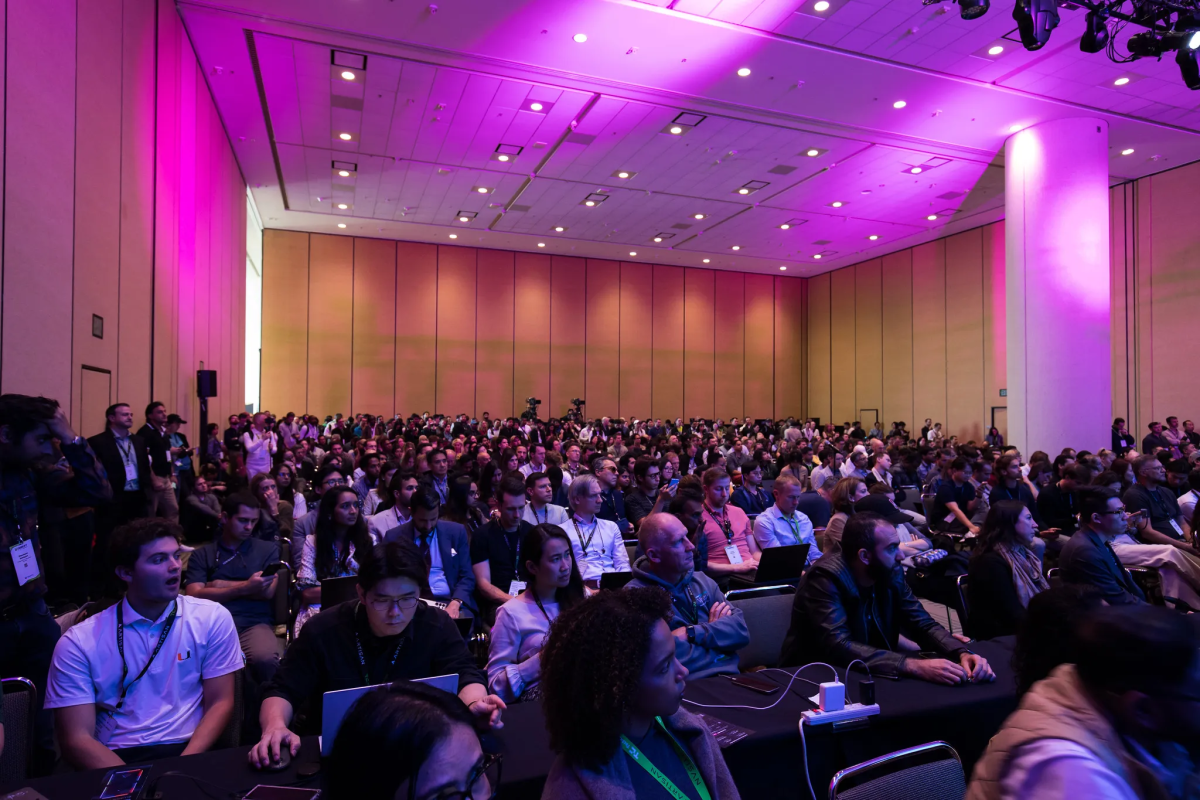
The rapid advancement of artificial intelligence has historically been discussed in terms of software, neural network architectures, and advanced chips. However, as the industry pushes to scale these systems, the primary bottlenecks are increasingly shifting from the digital realm into the physical world. Every new model, autonomous agent, and consumer application requires physical space, massive amounts of electricity, and sophisticated thermal management systems to function. This transition from software constraints to physical-world limitations is reshaping where the industry's capital is flowing and where the most sustainable business opportunities are emerging.
At the upcoming TechCrunch Disrupt 2026 conference, this physical scaling bottleneck will take center stage. Ben Longmier, the CEO of Ambrosia Energy, and Bill Thayer, the Senior Vice President and Head of Datacenter Solutions at Bloom Energy, will join forces on the Smart Systems Stage. Their panel, titled “Where the AI Infrastructure Boom Is Creating Winners,” will explore the underlying physical stack that supports modern AI and identify which constraints are opening doors for new startup categories.
The Physical Realities of AI Scaling
The current AI race is rapidly transforming into an infrastructure race. While market attention frequently centers on foundation models and specialized silicon, these technologies cannot function in isolation. The actual scaling of AI depends on a massive physical stack that includes power generation, electrical grid connections, physical data centers, cooling technologies, and heavy electrical equipment.
When the demand for computational power grows faster than the rate at which physical power plants and grid infrastructure can be constructed, severe bottlenecks occur. The discussion at Disrupt 2026 aims to analyze these bottlenecks, distinguishing between temporary supply chain shortages and long-term structural deficits that could redefine the technology market for years to come. For founders and investors, understanding when a physical constraint stops being a mere logistical hurdle and starts becoming an entirely new business category is crucial for building defensible enterprises.
What it means for developers
For software developers, the shift toward physical infrastructure constraints introduces new variables to daily engineering decisions. As compute resources become more heavily tied to physical grid limitations and energy availability, the cost and efficiency of running models will remain a primary concern. Developers must look for ways to build highly optimized systems that maximize output while minimizing unnecessary compute cycles.
To navigate these resource challenges, developers can optimize their testing and deployment pipelines by utilizing consolidated access points. For instance, developers can try top AI models cheaply through one API at https://apixoai.online, which simplifies the process of comparing model efficiencies and costs without needing to manage multiple complex integrations. This approach allows software creators to stay agile as the underlying physical infrastructure of the AI market continues to experience volatility.
Furthermore, this infrastructure shift means that the next generation of high-impact developer roles may not be in traditional application development. There is a growing need for software engineers who can write code to optimize power distribution, manage data center cooling algorithms, or interface directly with smart grid technologies. The intersection of software and physical systems is where many future technical opportunities will lie.
Finding Long-Term Value in the Infrastructure Boom
The infrastructure boom is attracting substantial capital, but the distribution of these financial rewards is unlikely to be uniform. The challenge for both startup founders and venture capital investors is identifying which parts of the physical stack require genuine innovation, rather than simply riding a wave of temporary high demand.
The panel featuring Longmier and Thayer will address these dynamics by looking at the broader market response to infrastructure pressures. They will highlight how the next major market leaders might not look like traditional AI software companies at all. Instead, they could emerge from sectors like energy distribution, advanced cooling solutions, grid software, or entirely new physical-world categories.
Tech leaders and founders looking to understand these dynamics can attend the session at TechCrunch Disrupt 2026, which takes place at Moscone West. Attendees who register before the doors open on October 13 at 8 a.m. PT can save up to $100 on their passes, with an additional option to secure a second pass for a colleague or co-founder at a 50% discount.
Source: Hear from Ambrosia Energy and Bloom Energy execs on where the AI infrastructure boom is creating opportunity at TechCrunch Disrupt 2026 — TechCrunch AI. Written by the Apixo team from that report.
One key for Claude, GPT, GLM, DeepSeek and more. Pay per token with crypto.
Get your API key