LogicMonitor Elevate Event Highlights Shift Toward Autonomous IT
Key insights from LogicMonitor's Elevate event reveal how AI-driven observability, automation, and governance are steering enterprise IT toward fully autonomous operations.
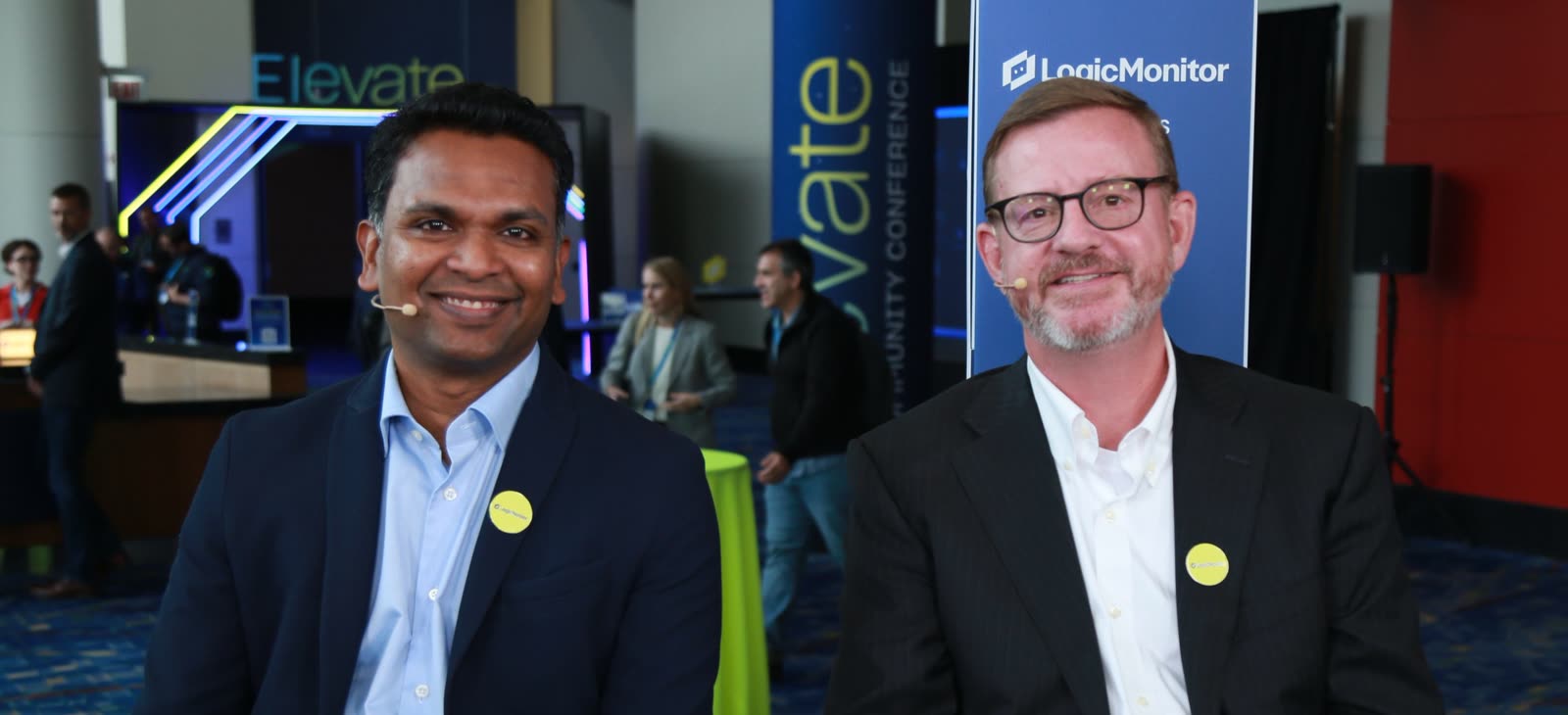
Enterprise technology is shifting away from traditional monitoring methods as organizations embrace AI-driven observability to navigate complex hybrid architectures and accelerate incident responses. Discussions at the recent LogicMonitor Elevate conference in Chicago centered on blending operational data, artificial intelligence automation, and strict governance to tackle diverse infrastructure challenges.
Real-world results from these technological shifts are already emerging. For example, GlobalFoundries achieved a remarkable 98% drop in alert noise using Edwin AI, while various managed service providers noted significant gains in engineering efficiency and incident resolution times. Industry observers note that while these advancements signal a clear trajectory toward autonomous IT, organizations must still carefully navigate adoption hurdles, trust, and operational oversight.
Moving Toward Governed Automation and Autonomous IT
Enterprise observability is steadily evolving past static dashboards and overwhelming alert volumes. Modern operations require deeper context, automated workflows, and robust controls. Key announcements at the event outlined a strategic push focusing on unified context, AI-governed actions, and trust. Tools such as OpenTelemetry and Edwin AI are helping enterprises connect hybrid environments and push actionable insights directly into routine workflows.
Organizations are increasingly adopting autonomous IT to manage operational complexity and automate incident triage safely. A gradual, low-risk approach enables companies to expand AI capabilities securely. Enhanced features like multi-agent investigations and governance controls provide better visibility into application health while maintaining human oversight over autonomous agents.
What it means for developers
Developers and engineering teams are seeing their operational environments change rapidly as observability ties performance, resource utilization, and costs directly into decision-making frameworks. Building and testing these AI-driven workflows effectively requires access to advanced language models and developer infrastructure. For developers looking to experiment and build efficiently, you can try top AI models cheaply through one API at https://apixoai.online. As platforms integrate multi-agent systems and automated remediation, developers must adapt to systems where AI handles routine triage, allowing technical talent to focus on high-value architecture and product innovation.
Driving Business Outcomes and Workforce Transformation
Successful technological integration demands internal workforce evolution alongside software deployment. Internal metrics shared at the event highlighted rapid employee adoption of tools like ChatGPT, leading to custom GPT creation and measurable workflow improvements, such as internal sales assistants saving teams hours each week.
Managed service providers are similarly redefining their service models. By leveraging automated observability and AI assistants, providers can move away from reactive troubleshooting toward proactive service delivery. Consolidating fragmented toolsets into streamlined platforms further clears the path for scalable automation, laying a solid foundation for enterprises aiming to achieve fully autonomous IT operations.
Source: 8 insights from LogicMonitor’s Elevate event: AI-driven observability moves toward autonomous IT — SiliconANGLE AI. Written by the Apixo team from that report.
One key for Claude, GPT, GLM, DeepSeek and more. Pay per token with crypto.
Get your API key