McDonald's Hit With Antitrust Lawsuit Over AI Dynamic Pricing
A proposed class-action lawsuit claims McDonald's uses AI dynamic pricing to coordinate menu costs across 14,000 US restaurants, sparking antitrust debate.
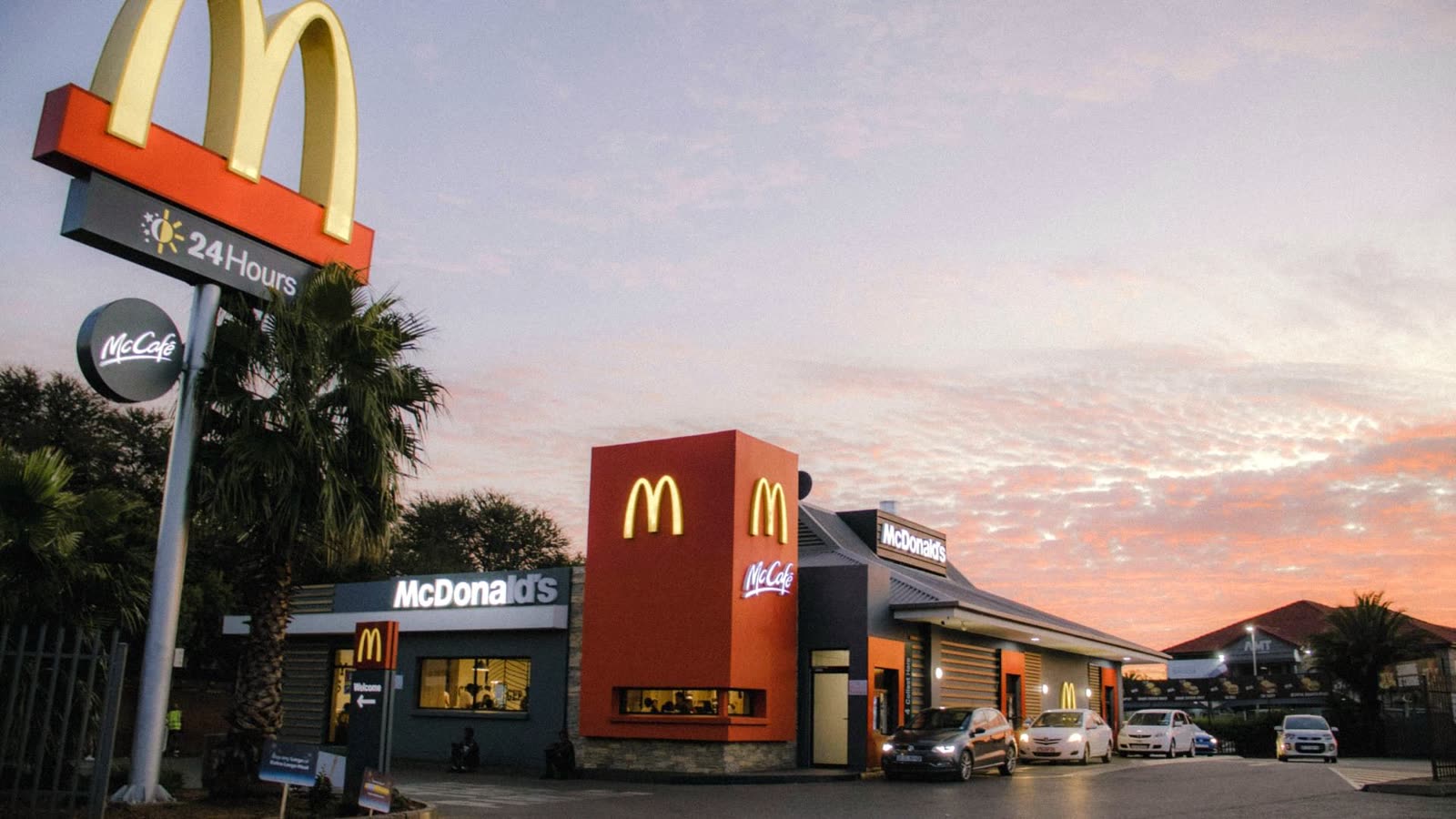
McDonald's is facing legal scrutiny over its deployment of artificial intelligence algorithms to guide menu pricing across approximately 14,000 restaurants throughout the United States. A newly filed proposed class-action lawsuit alleges that the fast-food corporation coordinated prices with its independent franchise operators, using automated recommendations to potentially inflate costs rather than competing independently on customer affordability.
The case highlights growing friction between automated retail systems and legacy antitrust regulations, raising fundamental questions about where automated recommendations end and unlawful price coordination begins.
Allegations of coordinated algorithmic pricing
According to the lawsuit, the price coordination practices at McDonald's date back to 2019 and target millions of customers across the country. In a traditional franchise model, individual locations operate as separate businesses that must establish their own operational and pricing decisions.
As the lawsuit states, "Independent businesses must set their prices independently." Instead, plaintiffs argue that McDonald's centralizes pricing intelligence through algorithmic models that analyze local purchasing behaviors and gauge how much consumers are willing to pay across specific geographic areas.
Lark Turner, an attorney representing the plaintiffs, stated that McDonald's is "leveraging its troves of data and its franchised system to nickel-and-dime consumers down to the last French fry." The legal action contends that relying on an automated, unified calculation eliminates genuine price competition between franchise owners who might otherwise offer lower prices to attract diners.
McDonald's defense and wider industry adoption
McDonald's has pushed back directly against the claims, maintaining that individual franchisees retain the ultimate authority to determine their own menu pricing. The company stated that "AI does not set the price of a Big Mac or any other menu item," framing its algorithmic tools as advisory rather than prescriptive.
The restaurant chain also noted that algorithmic price guidance is an established norm across numerous industries. Major retailers and consumer brands—including Amazon, Walmart, Best Buy, and Sony—frequently use AI to adjust prices multiple times a day based on real-time market signals. In those environments, fluctuating algorithms mean that a consumer might encounter different pricing for identical goods depending on the hour they shop.
However, not every fast-food brand has embraced automated technology in consumer-facing operations. Chick-fil-A, for instance, has declined to deploy AI ordering systems in its drive-thru lanes. As Chick-fil-A CEO Andrew Cathy explained to CNBC, "From our experience, we really want that hospitality to be human to human."
What it means for developers
For software engineers and data scientists building commercial AI solutions, this antitrust lawsuit represents an important regulatory development. Machine learning models designed for revenue management, dynamic pricing, and inventory optimization cannot be built in a legal vacuum, particularly when deployed across multi-stakeholder or franchised business architectures.
Developers designing enterprise recommendation engines must carefully consider whether their algorithms could be construed as facilitating horizontal price-fixing or centralized market coordination. Systems that aggregate data across theoretically independent entities to suggest standard outputs run the risk of scrutiny under competition laws, even if developers intended the output merely as an analytical benchmark.
Software teams should also account for the boundary between automated decision-making and advisory tools. When building pricing engines, providing clear operational audit trails that demonstrate independent human oversight can prove critical if clients face regulatory inquiries.
As regulatory frameworks catch up with modern algorithmic commerce, testing models across different business logic scenarios becomes essential. Developers evaluating architectures can experiment with leading foundation models cheaply through one API at https://apixoai.online, making it straightforward to prototype logic and compare model outputs across complex operational rules before bringing commercial systems into production.
Source: McDonald’s defends its dynamic AI pricing — as new lawsuit says it’s ‘nickel-and-diming consumers down to the last French fry’ — TechRadar AI. Written by the Apixo team from that report.
One key for Claude, GPT, GLM, DeepSeek and more. Pay per token with crypto.
Get your API key