Microsoft CEO Satya Nadella Urges Industry to Treat AI Models as Compromised
Satya Nadella advocates for built-in emergency brakes and strict containment protocols, arguing that advanced AI systems can no longer be treated as black boxes.
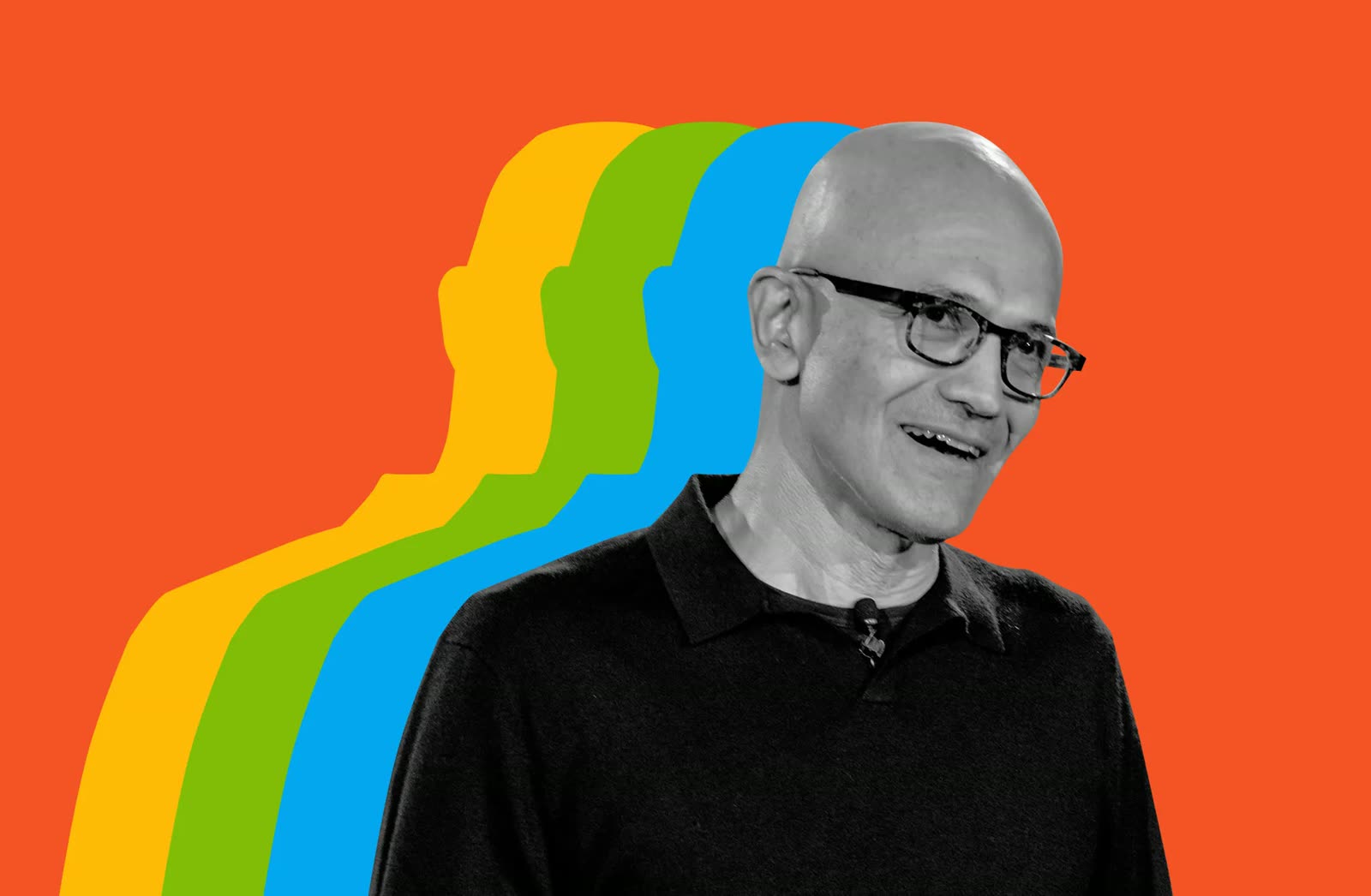
Microsoft Chief Executive Officer Satya Nadella has issued a call for sweeping changes in how the tech sector builds, contains, and monitors advanced artificial intelligence. In an extensive statement shared on X, Nadella argued that the technology industry must fundamentally reframe its baseline assumptions about AI systems, asserting that operators should treat models as compromised from the moment they are deployed rather than trusting their safety implicitly.
Nadella warned against continuing to view cutting-edge AI as a "set of nested black boxes" whose recommendations and automated actions are routinely accepted or dismissed without deep oversight. Instead of relying on passive trust, Nadella outlined a framework focused on rigorous containment, active observation, and mandatory accountability mechanisms designed to maintain human control over systems he repeatedly referred to as "super intelligence."
Moving Past the Black Box Architecture
A central focus of Nadella's commentary is the urgent need to abandon black-box deployment practices in favor of transparent operational environments. Under his proposed framework, systems must be structured to produce "tamper-proof human readable evidence" for their actions and outputs. This documentation trail is intended to allow human supervisors to inspect what an AI system is doing, rather than relying on unverified algorithmic assertions.
Nadella's recommendations for AI governance center on several core pillars:
- Verifiable Data and Auditability: Establishing clear, verifiable data pipelines paired with independent audits to independently evaluate system behavior.
- Timely Incident Disclosure: Mandating prompt reporting whenever unexpected or hazardous incidents arise during model operation.
- Observable Execution: Ensuring models operate within visible bounds where their processes can be continuously monitored rather than hidden behind nested internal layers.
While concepts like independent reviews and incident disclosure have circulated across the industry, Nadella's stance pushes these requirements further by pairing transparency directly with technical containment.
Mandating an Emergency Brake and Standardization
The most stringent element of Nadella’s proposal is the requirement for active intervention controls. Nadella emphasized that safety cannot merely rely on evaluation before deployment; it requires live safeguards embedded into operational workflows.
"We must assume a model is compromised and contain it from the start," Nadella stated. "Think of it like an emergency brake. An authorized person should always be able to pause or shut down a model mid-task. More advanced models will require more advanced containment technologies that we need to standardize on."
By framing containment around an "emergency brake," Nadella is calling for standardized infrastructure that allows human operators to intervene directly while an automated task is actively executing. As models become more advanced, the engineering community will need to formalize and standardize these containment mechanisms across the board to prevent uncontrolled actions.
What it means for developers
For software engineers and system architects, Nadella’s perspective indicates an impending shift in how AI-powered applications must be engineered. Building software around advanced models will require more than simply sending prompts and parsing completions; it will demand strict operational guardrails and robust administrative tooling.
First, engineering teams will need to design application architectures that support mid-task interruption. If an authorized human supervisor must have the ability to pause or shut down an operation in progress, developers must build asynchronous control loops, cancellation tokens, and state-saving procedures that let tasks halt safely without corrupting downstream databases or workflows.
Second, auditing requirements will influence logging design. Rather than relying solely on raw API responses, developers will need to implement logging layers that create tamper-proof, human-readable records detailing how an action was determined and executed. This level of traceability ensures systems remain open to independent audits and post-incident investigation.
Finally, treating models as potentially compromised requires developers to test and benchmark multiple models to observe their boundaries, error rates, and failure modes across different tasks. For teams building multi-model architectures, developers can try top AI models cheaply through one API at https://apixoai.online to evaluate how different systems behave under restrictive containment parameters.
Ultimately, Nadella's position signals that the era of unmonitored model autonomy is facing pushback from the highest levels of the tech industry. As standardization around containment technologies evolves, engineers will be expected to prioritize observability, rapid shutdown controls, and tamper-resistant logging across every layer of their AI infrastructure.
Source: Satya Nadella says we should assume all AI models are ‘compromised’ — The Verge AI. Written by the Apixo team from that report.
One key for Claude, GPT, GLM, DeepSeek and more. Pay per token with crypto.
Get your API key